How to Stop Your Cat From Eating Dirt
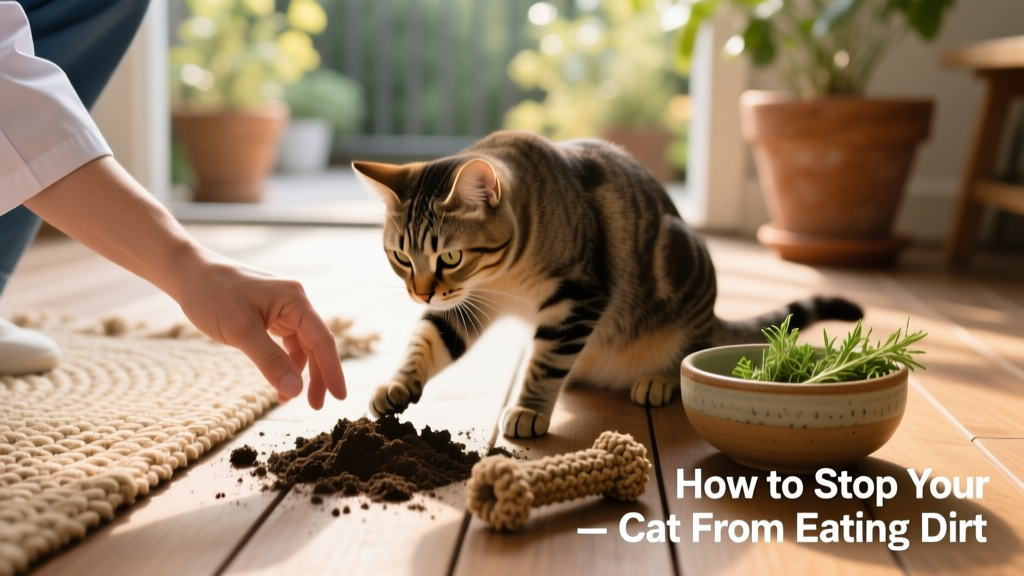
Cats are known for their curious, sometimes puzzling behaviors—and eating dirt is certainly one of them. If you’ve noticed your cat nibbling soil, digging in garden beds, or licking dusty patches on the floor, it’s natural to wonder: Is this normal? Should you be concerned? The answer depends on the cause, which can range from harmless curiosity to underlying health issues.
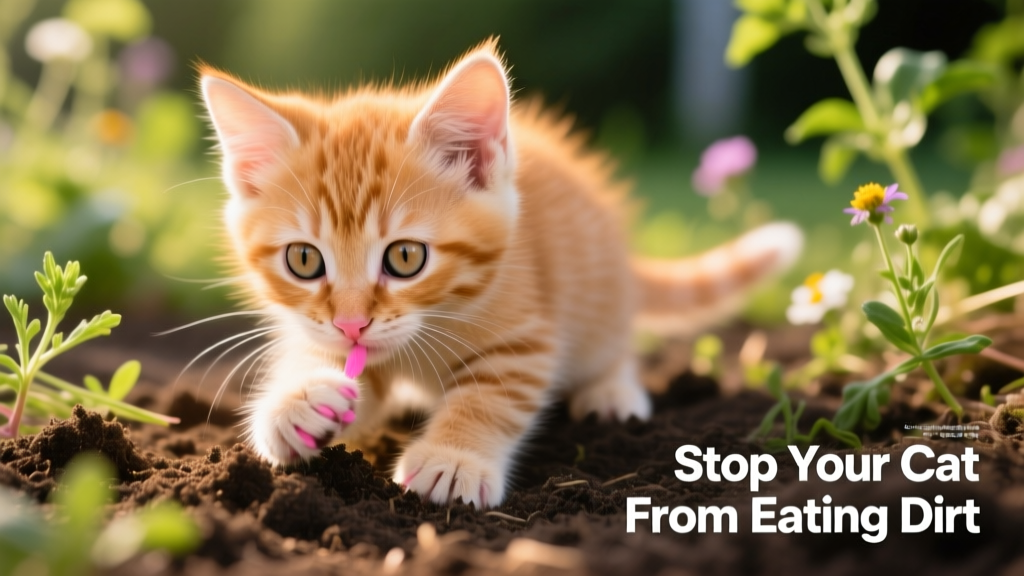
Possible Causes for Your Cat Eating Dirt
There are several reasons why cats eat dirt—some behavioral, others medical. While occasional dirt tasting may not be alarming, repeated or persistent behavior warrants attention. Always consult your veterinarian first to rule out health concerns before assuming it’s purely habit or boredom.
Medical Reasons
Anemia
Anemia occurs when a cat has too few healthy red blood cells or insufficient hemoglobin—the oxygen-carrying protein in those cells. Without enough oxygen delivery, tissues and organs struggle to function properly. In some cases, anemic cats develop a craving for non-food substances like dirt or litter—a behavior sometimes linked to mineral deficiencies (especially iron). Anemia itself isn’t a disease but a symptom of another condition, such as chronic kidney disease, inflammatory bowel disease, or parasitic infection. A vet can diagnose it through blood tests and recommend appropriate treatment.
Nutritional Deficiencies
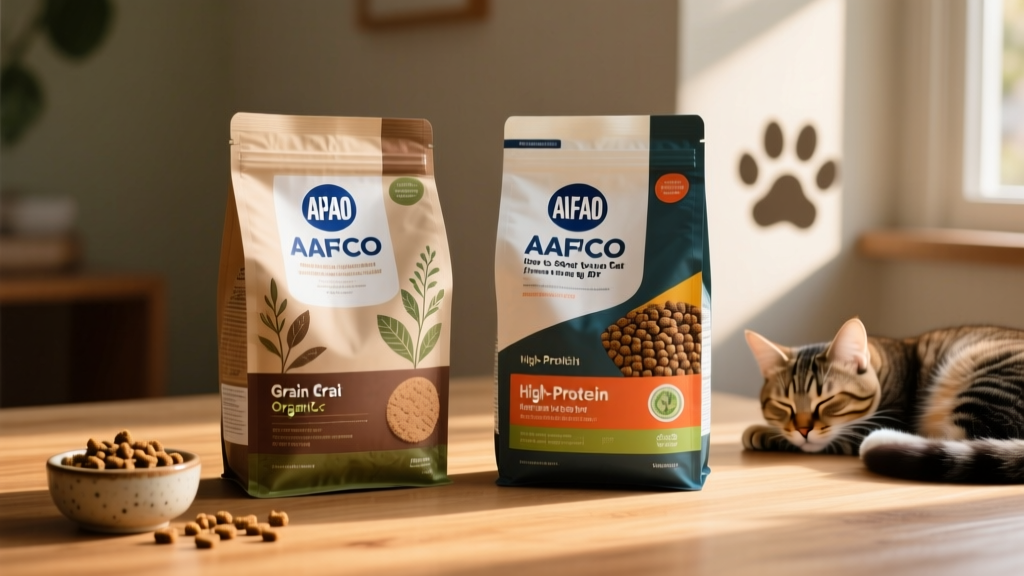
Even cats on commercial food can experience imbalances—especially if the diet lacks key vitamins, minerals, or amino acids like taurine. Eating dirt may signal that your cat’s body is seeking missing nutrients. To support optimal health:
- Choose a complete-and-balanced cat food certified by AAFCO through feeding trials—look for this statement on the label.
- Aim for at least 90% of your cat’s daily calories to come from nutritionally sound cat food; treats and human food should make up no more than 10%.
- Introduce any new food gradually over 7–10 days to avoid digestive upset.
- Consult your vet before switching diets or adding supplements—some nutrients (like calcium or iron) can become harmful in excess.
Pica
Pica is a condition where cats persistently consume non-food items—such as fabric, plastic, paper, or soil. While more common in kittens and certain breeds (like Siamese and Burmese), it can appear at any age. The exact cause remains unclear but may involve genetics, stress, early weaning, dietary gaps, or compulsive tendencies. If pica becomes frequent or dangerous (e.g., ingesting gravel or treated soil), work with your vet and a certified feline behaviorist to identify triggers and develop a safe management plan.
Behavioral Reasons
Curiosity
Kittens explore the world with all five senses—including taste. Sampling dirt is often part of normal sensory development. Most kittens outgrow this phase quickly as they learn what’s edible and what’s not—especially when offered engaging toys, safe chew alternatives, and consistent routines.
Boredom
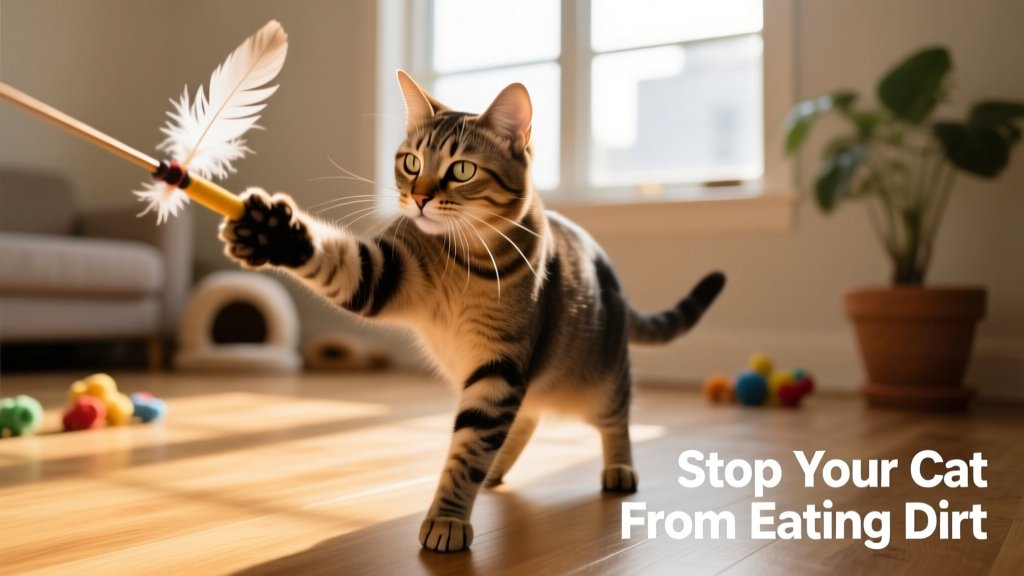
Cats evolved as hunters: they’re wired to stalk, chase, pounce, and “kill” prey—even indoors. When these instincts go unmet, boredom can set in, leading to unusual habits like dirt-eating, excessive grooming, or destructive scratching. Enrichment helps bridge that gap:
- Offer daily interactive play sessions (10–15 minutes, twice a day) using wand toys or laser pointers.
- Rotate toys weekly to maintain novelty and interest.
- Provide vertical space—cat trees, shelves, and window perches satisfy climbing and observation instincts.
- Try food puzzles or hide-and-seek meals to turn eating into mental exercise.
Stress and Anxiety
Changes in routine—like moving homes, introducing a new pet or baby, or even rearranging furniture—can unsettle cats. Stress may manifest physically: inappropriate elimination, overgrooming, vocalization, or unusual oral behaviors like chewing soil. Watch for other subtle signs: hiding more than usual, flattened ears, dilated pupils, or avoidance of favorite spots.
To ease anxiety:
- Create quiet, predictable safe zones—low-traffic areas with cozy bedding, familiar scents, and easy access to food/water/litter.
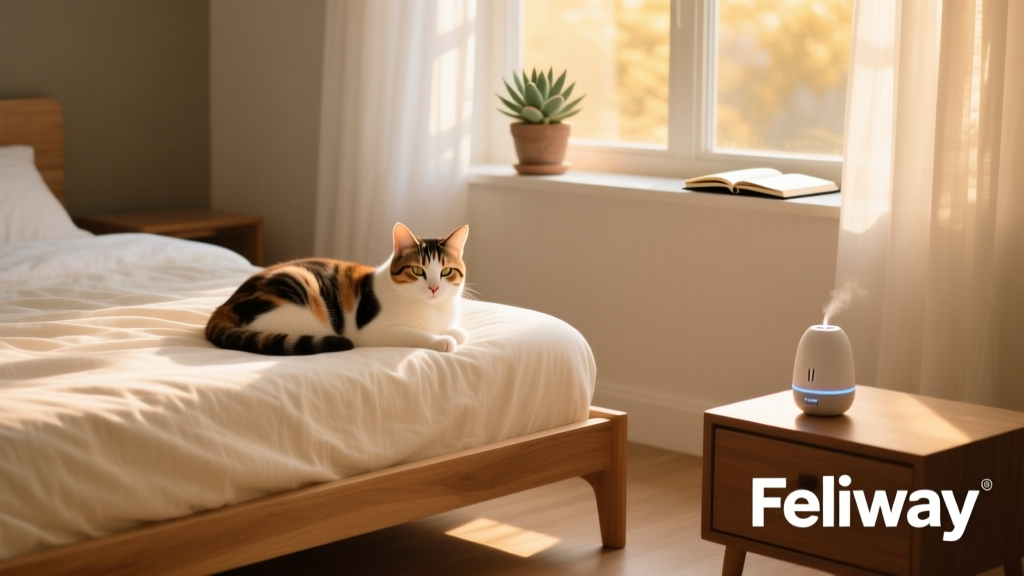
- Use calming aids like Feliway diffusers (which release synthetic feline facial pheromones) or FurPetVo’s stress-support chews, formulated with natural ingredients and vet-approved dosing.
- Consider consulting a Fear Free–certified professional or a board-certified veterinary behaviorist for personalized strategies.
If your cat continues eating dirt despite environmental enrichment and dietary review, schedule a full veterinary exam. Early intervention ensures your cat stays healthy—and happy—on every level. For trusted, science-backed resources on feline wellness, visit furpetvo.com.