Lure Coursing for Dogs: What It Is and How It Works
Does your dog chase anything that moves—whether it’s a squirrel, a fluttering leaf, or a passing jogger? If so, your pup might absolutely love lure coursing: a dynamic, instinct-driven dog sport that taps into their natural prey drive in a safe, controlled way.
What Is Lure Coursing for Dogs?
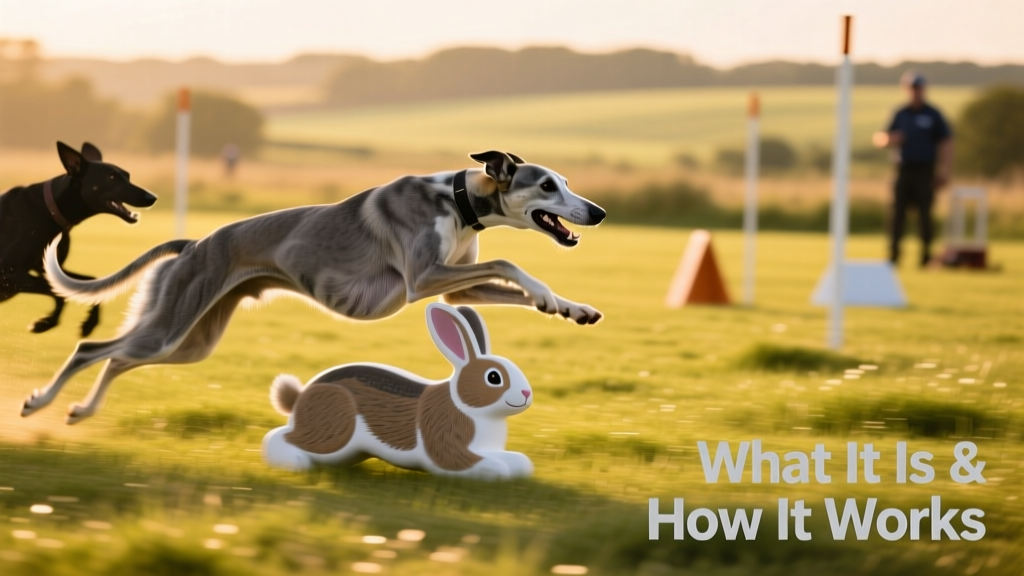
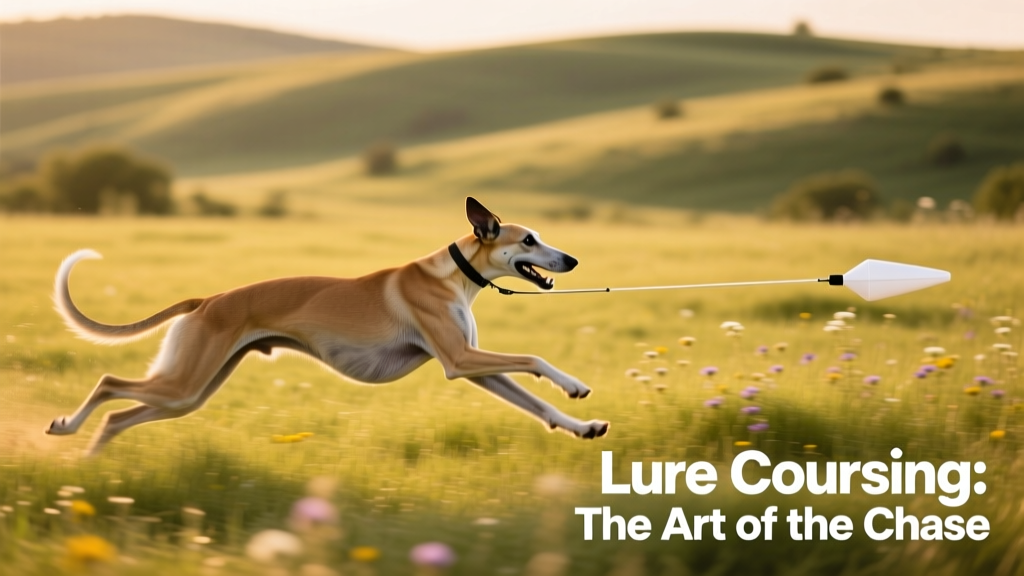
Also known as dog coursing, lure coursing takes place on a flat, open outdoor space where a mechanized system pulls a fast-moving lure along a winding course. The centerpiece of the activity is a white plastic bag—often cut into fluttering strips—that mimics the erratic movement of fleeing prey. This lure can reach speeds up to 40 mph, triggering your dog’s innate chase instinct.
While formal competitions are reserved for sighthound breeds, recreational lure coursing is open to almost any healthy, well-trained dog who enjoys running and chasing. You’ll find events ranging from organized national trials to friendly “fun runs” hosted by local dog clubs—or even backyard sessions you set up yourself.
What Do You Need for Lure Coursing?
The most essential piece of equipment is the lure course itself—but safety and comfort start with thoughtful preparation. Here’s what every participant should bring:
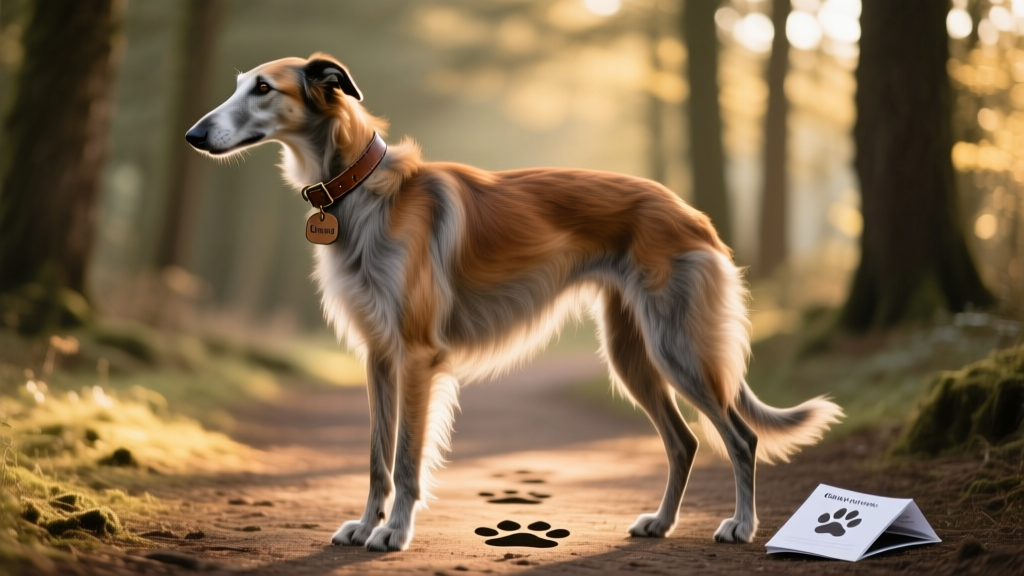
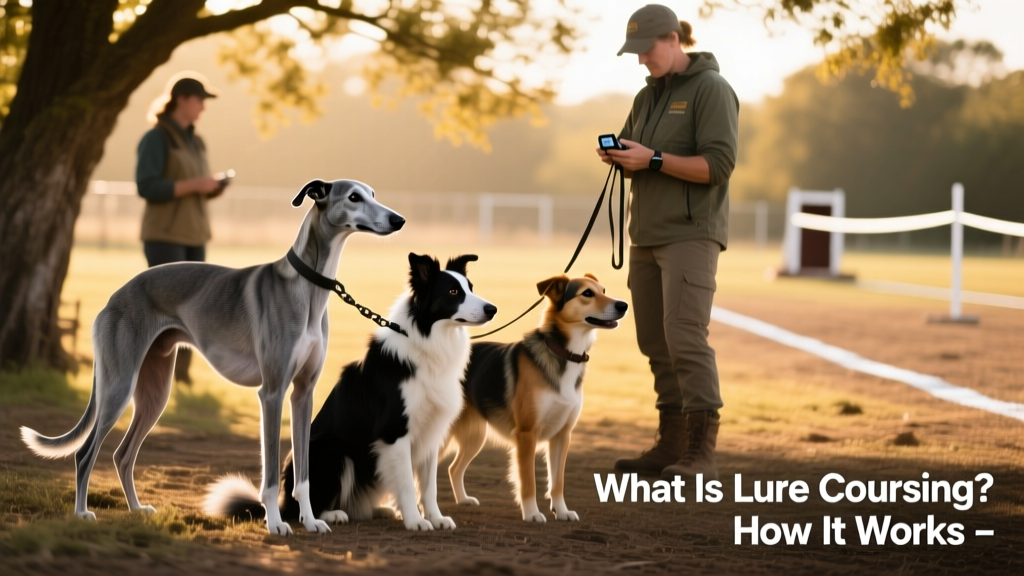
- A lightweight flat collar without tags: Collars must be secure and non-restrictive; slip, choke, or prong collars are prohibited.
- A fixed-length leash (6 feet recommended): Retractable leashes are unsafe around excited dogs—they can snap, tangle, or cause injury.
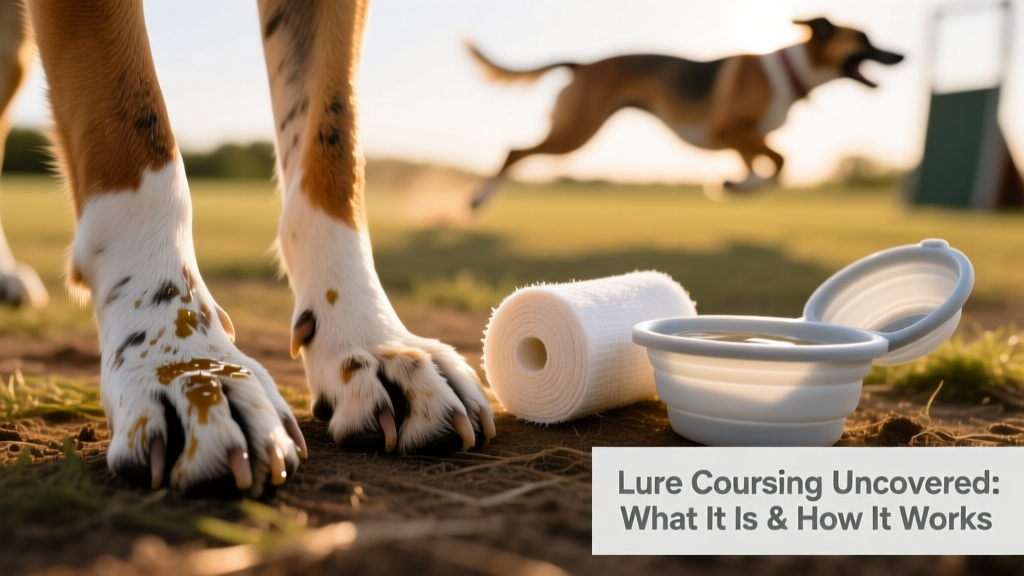
- Paw protection: Apply paw wax or use self-adhesive vet wrap to shield pads from rough terrain and prevent abrasions.
- A travel water bowl or flask: Practice using it at home first so your dog feels comfortable hydrating on-site.
- A travel-ready first aid kit: Include supplies for minor wounds, paw cuts, and nail injuries—just in case.
- A portable shade tent: Many fields offer little or no natural cover, so a small, breathable shade structure helps keep your dog cool and relaxed between runs.
While treats may seem like a natural reward, they’re best left at home. Lure coursing is inherently self-rewarding—the thrill of the chase *is* the motivation. Adding food distractions can interfere with focus and instinctual drive.
How To Get Started With Dog Lure Coursing
If you have a sighthound and aspire to compete, begin by connecting with reputable organizations like the American Sighthound Field Association or FurPetVo’s official Lure Coursing Program at furpetvo.com/lure-coursing. These groups host sanctioned trials and provide certified judging, safety standards, and breed-specific guidelines.
For all other dogs—and for families just looking for joyful, high-energy fun—check with local training centers, dog festivals, or community parks. Many host low-pressure exhibition runs where pups of all backgrounds can experience the sport without competition pressure.
Want to try it at home? A flirt pole—a long pole with a string and flappy fabric lure—is an excellent DIY tool. As you move around your yard, the unpredictable motion engages your dog’s chase instinct safely and effectively.
Benefits of Lure Coursing for Dogs
Lure coursing offers more than just exercise—it delivers holistic enrichment:
- Activates instinctual, self-reinforcing behavior patterns
- Builds cardiovascular fitness, muscle tone, and agility
- Provides mental stimulation through focus, anticipation, and decision-making
- Creates joyful, confidence-boosting experiences in a supervised, positive environment
Is Your Dog a Good Fit for Lure Coursing?
Before signing up, consider these four key questions:
- Is my dog fit and healthy? They should be physically mature (typically 12–18 months old), free of joint or heart concerns, and capable of rapid acceleration and sharp turns.
- Can my dog reliably follow basic commands? Off-leash participation requires a strong recall, solid “stay,” and responsive attention—even amid excitement.
- Does my dog show genuine interest in chasing? A history of enthusiastically pursuing toys, balls, or wildlife is a strong indicator—but lack of interest is perfectly okay too.
- Is my dog calm and well-socialized around other dogs? Group settings involve high energy and movement, so dogs prone to reactivity or overstimulation may need extra preparation—or a different activity.
If you answered “yes” to all four, your dog is likely an excellent candidate for lure coursing.
Best Breeds for Lure Coursing
Competitive lure coursing is open exclusively to sighthounds—including the Afghan Hound, Basenji, Borzoi, Cirneco dell’Etna, Greyhound, Ibizan Hound, Irish Wolfhound, Italian Greyhound, Pharaoh Hound, Portuguese Podengo Pequeno, Rhodesian Ridgeback, Saluki, Scottish Deerhound, Sloughi, and Whippet.
That said, recreational lure coursing welcomes healthy, trained dogs of nearly any breed—provided they’ve reached physical maturity and demonstrate a natural prey drive and sound temperament.
Which Dogs Should Not Try Lure Coursing?
Lure coursing isn’t right for every dog. Avoid it if your pup falls into one of these categories:
- Reactive dogs: Those who bark, lunge, or become overly aroused around people or other dogs may struggle in group settings.
- Lap-oriented or low-drive dogs: Pups who prefer napping on the couch over sprinting aren’t built for this high-energy sport.
- Brachycephalic breeds: Short-nosed dogs like French Bulldogs and Pugs are at higher risk for overheating and respiratory distress during intense exertion.
- Long, low, or deep-chested breeds: Dachshunds, Basset Hounds, and similar body types may find tight turns and full-speed bursts physically taxing or unsafe.
- Scent-driven hounds: Beagles, Bloodhounds, and other scent-focused breeds often prioritize ground smells over visual lures.
- Anxious or noise-sensitive dogs: Crowded, energetic environments with mechanical sounds and sudden movements can overwhelm sensitive individuals.
Key Takeaways
- Lure coursing is a thrilling, instinct-based sport where dogs sprint after a fast-moving, prey-like lure—reaching speeds up to 40 mph.
- While competitive events are limited to sighthounds, recreational lure coursing is accessible to most healthy, trained dogs.
- The activity delivers exceptional physical exercise, mental engagement, and joyful, natural outlet for energy.
- It’s not suitable for brachycephalic dogs, highly anxious or reactive dogs, or those physically unprepared for explosive movement.