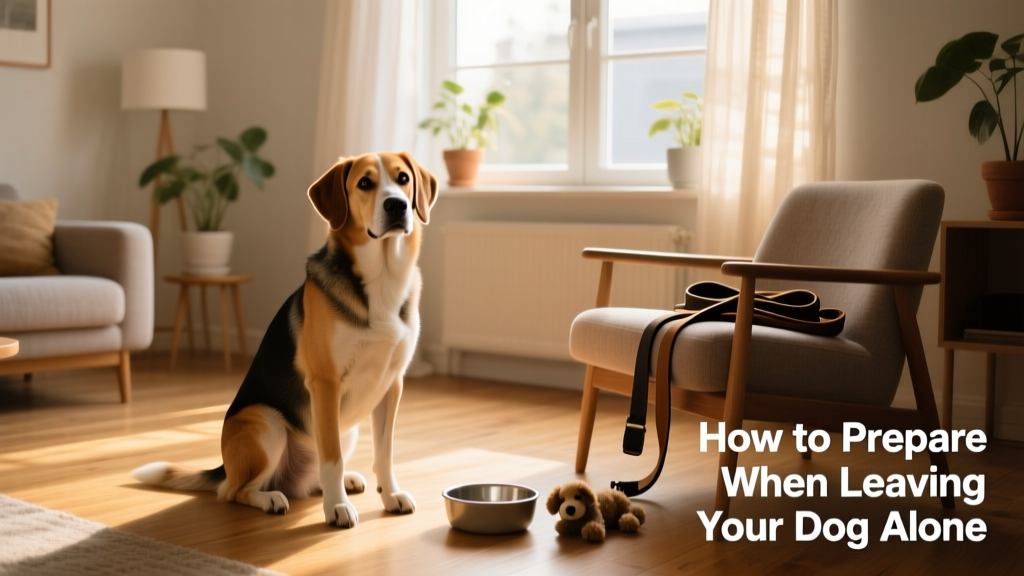
Leaving Dogs Alone & How Best to Prepare
Leaving dogs alone at home is sometimes an unavoidable reality. As pet parents, we have commitments—work, errands, social obligations—and our furry companions can’t always tag along. While we’d love to bring them everywhere, life doesn’t always allow it. So when you must step out, how do you set your dog up for calm, safe, and comfortable time alone?
This guide covers essential best practices: how long is reasonable to leave a dog unattended, how to recognize and ease separation anxiety, what to avoid (and what to encourage), and practical steps to help your dog feel secure—even when you’re not there.
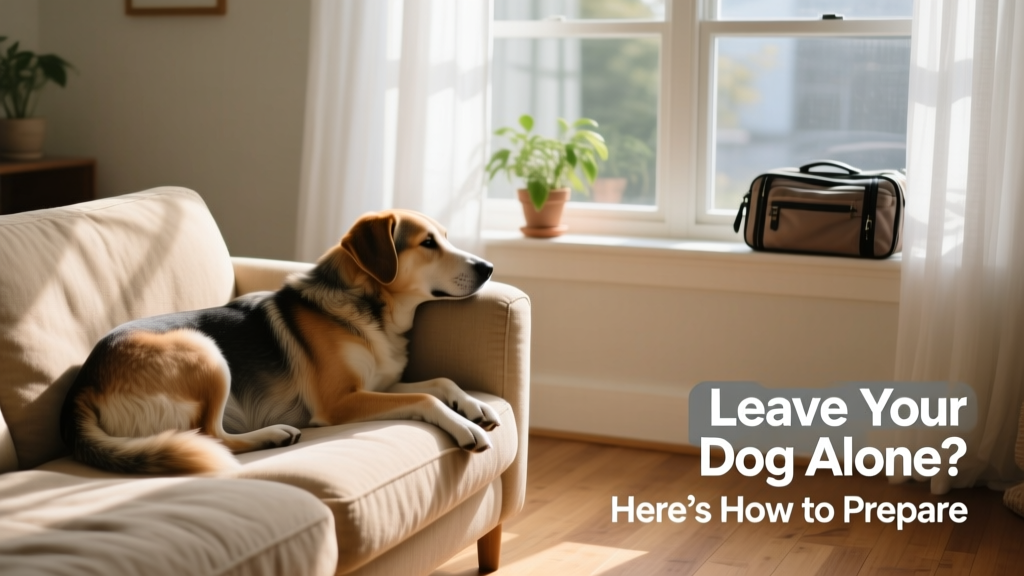
How Long Can You Leave a Dog Home Alone?
There’s no universal answer—it depends on your dog’s age, health, breed, temperament, and training. Puppies and senior dogs typically have less bladder control and may need more frequent bathroom breaks or meals. Younger dogs also benefit from gradual exposure to being alone, so crate or confinement training should be introduced slowly and positively.
Most animal welfare experts recommend limiting solo time to **no more than 4 hours at a stretch** for the average healthy adult dog. While some well-adjusted, mature dogs *may* tolerate up to 8 hours, this shouldn’t be the norm—and never without proper preparation, enrichment, and access to water.
How to Leave Your Dog Home Alone: Do’s and Don’ts
Do: Settle Them in a Comfortable, Safe Space
Many dogs thrive with a designated “safe zone”—a cozy, quiet area where they feel secure. A properly introduced crate or gated section of a room can serve as a den-like retreat. Make it inviting with soft bedding, familiar scents (like an unwashed t-shirt), and calming visuals. This space becomes their go-to spot when you’re away—not a punishment, but a comforting sanctuary.
Don’t: Leave Tempting or Hazardous Items Within Reach
Before heading out, do a quick safety sweep: tuck away cords, secure trash bins, remove fragile decor, and keep furniture legs, rugs, and new cushions out of chewing range. Even seemingly harmless items—like rubber bands, small toys, or houseplants—can pose risks if ingested.
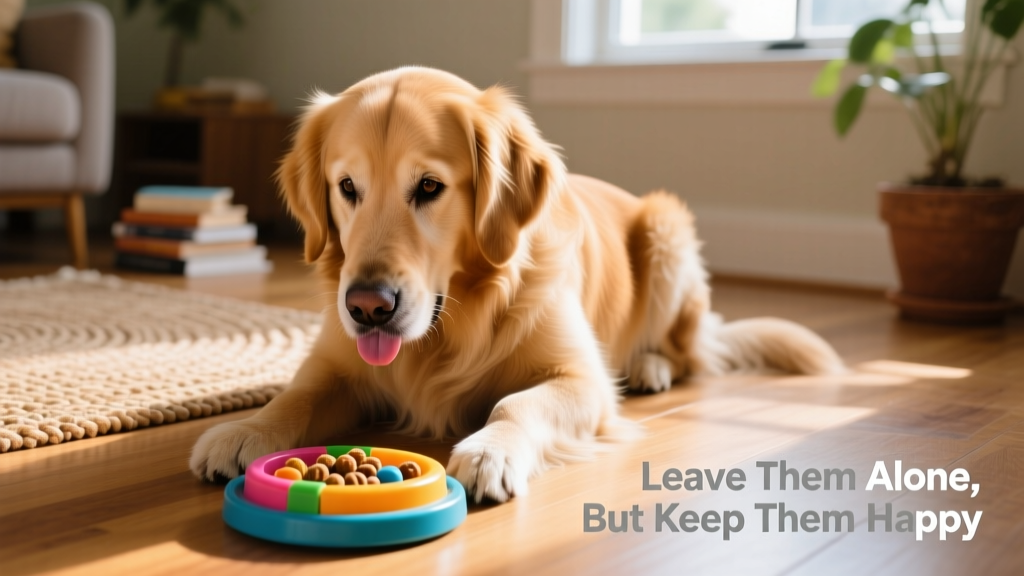
Do: Provide Paw-Positive Mental Stimulation
Dogs need mental exercise just as much as physical activity. Leave behind interactive toys—like treat puzzles, slow-feeders, or stuffed Kongs—that challenge their minds and extend mealtime. These tools not only prevent boredom but also support confidence-building and separation anxiety management, especially for puppies and high-energy breeds.
Don’t: Skip the Pre-Departure Potty Break
Always let your dog relieve themselves right before you leave—even if they just went. A full potty break reduces stress and minimizes accidents. Likewise, greet them with an immediate outdoor trip when you return. Pair this with light exercise before you go (e.g., a short walk or play session) to help settle their energy.
Do: Offer Calming Background Sounds
Gentle background noise can ease loneliness and mask unsettling outside sounds. Try dog-friendly playlists (available on FurPetVo.com or streaming platforms), soft talk radio, or nature soundscapes—all at low volume. Avoid loud music or sudden audio cues that could startle your pup.
Supporting Dogs With Separation Anxiety
Separation anxiety can emerge at any age—but it’s especially common in puppies adjusting to new homes or dogs who’ve experienced instability. Signs include excessive whining, pacing, destructive chewing, barking, or attempts to escape when left alone.
Start with gradual desensitization: begin by stepping into another room for seconds, then minutes, slowly increasing duration over days or weeks. Always return calmly—no big greetings—to reinforce that departures and returns are low-key, predictable events.
If anxiety persists, consult your veterinarian or a certified canine behaviorist. They may suggest tailored training plans, environmental adjustments, or (in some cases) temporary support strategies. Never punish anxious behaviors—this worsens fear and erodes trust.
When Is It Too Long?
While a fully potty-trained, healthy adult dog *might* manage up to 8 hours alone, this should be rare—not routine. Most experts agree that regularly leaving a dog unattended for more than 4–6 hours increases risks of stress, accidents, boredom-related destruction, or anxiety escalation.
If your schedule requires longer absences, consider reliable alternatives: a trusted friend, a professional pet sitter, or a reputable service like FurPetVo.com—where every caregiver is verified, insured, and passionate about giving dogs loving, consistent care while you’re away.