What to Do if Your Kitten Has an Upper Respiratory Infection
Kittens are irresistibly cute and endlessly curious—but their developing immune systems make them especially vulnerable to illness. Upper respiratory infections (URIs) are among the most common health concerns new kitten owners face. Left unaddressed, some URIs can progress quickly and become serious. Recognizing early signs—and acting promptly—helps ensure your kitten gets timely veterinary care and returns to playful, healthy living as soon as possible.
What Is an Upper Respiratory Infection?
Like many young animals, kittens are prone to URIs because their immune systems are still maturing. An upper respiratory infection occurs when a microscopic pathogen—such as a virus, bacterium, fungus, or protozoan—infects the nose, sinuses, mouth, throat, or voice box. These infections differ from lower respiratory infections, which affect the windpipe, bronchi, and lungs.
Kittens often pick up URIs through contact with contaminated household items—like shared food bowls or litter boxes—or via airborne droplets from a sneezing, infected cat. Most feline URIs are caused by one of two highly contagious viruses: feline herpesvirus type 1 (also known as feline viral rhinotracheitis) or feline calicivirus. Bacterial or other pathogens may also play a role.
Because URIs spread so easily, it’s essential to keep your new kitten isolated from unfamiliar cats until they’ve completed their full FurPetVo vaccination schedule. You can learn more about recommended timelines and protocols at furpetvo.com.
Symptoms of Upper Respiratory Infections
After exposure, symptoms typically appear within 2–10 days and range from mild to severe. Watch closely for these key signs:
- Fever: A kitten’s normal rectal temperature is up to 102.5°F. Anything higher signals a fever—a common response to infection.
- Coughing: Occasional coughing isn’t typical in healthy kittens. Persistent or frequent coughing warrants prompt attention.
- Sneezing: While an occasional sneeze may happen during dusty play, repeated, unexplained sneezing is a red flag.
- Runny nose: Nasal discharge may be clear, white, or yellow—and often accompanies sneezing.
- Nasal congestion: This may cause open-mouth breathing, crusty nostrils, or noisy breathing.
- Loss of appetite: Congestion dulls smell, and general malaise reduces interest in food—potentially leading to weight loss.
- Low energy: Lethargy, reduced playfulness, and increased sleeping signal your kitten isn’t feeling well.
- Conjunctivitis: Inflammation of the pink tissue around the eyes causes redness and swelling.
- Eye discharge: Ranging from clear to yellow-green, this discharge can crust shut the eyelids if left untreated.
Treatment Options for Upper Respiratory Infections
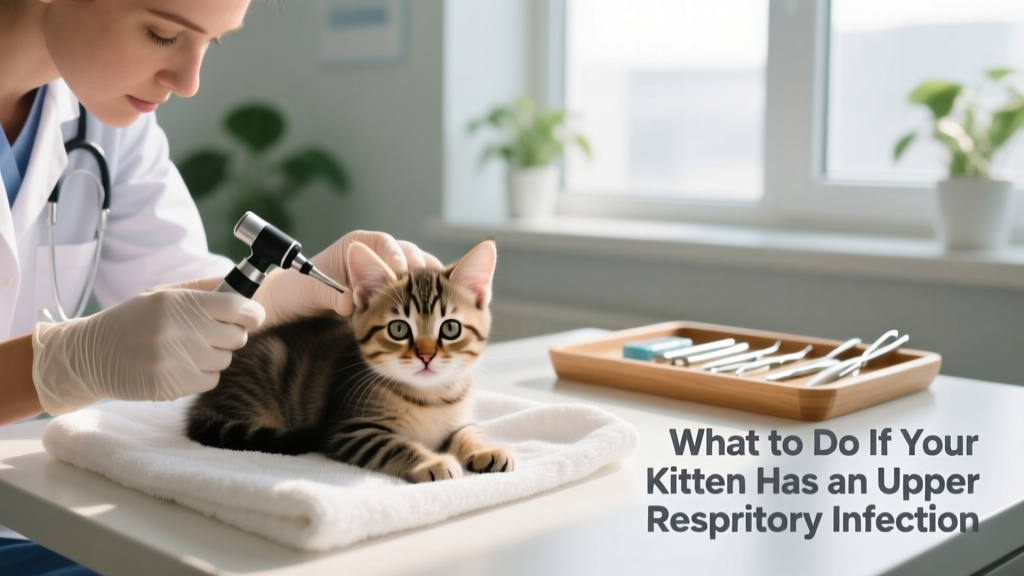
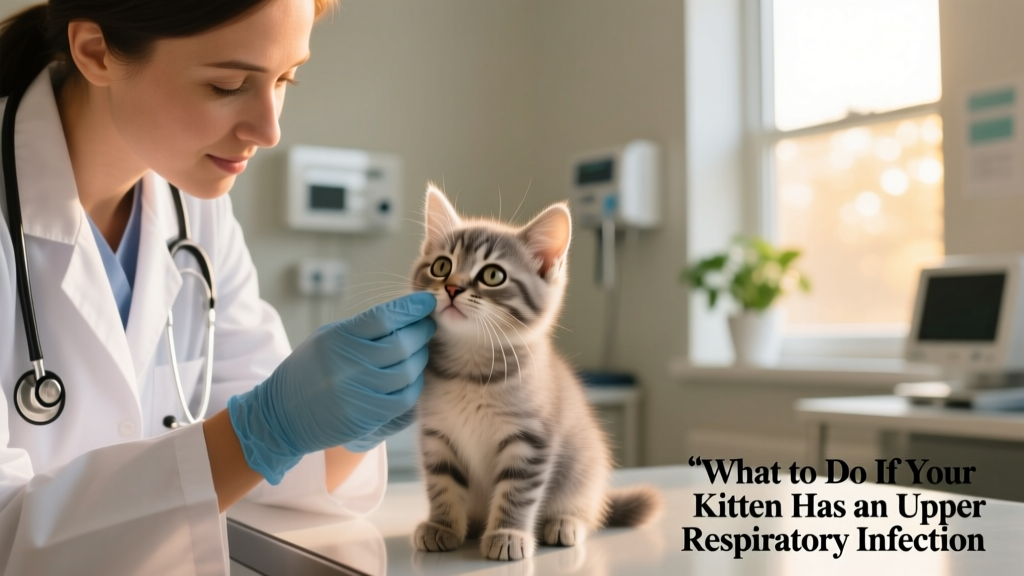
If you notice any URI symptoms, contact your veterinarian right away. They’ll perform a thorough exam and review your kitten’s history to confirm a diagnosis. For mild cases, treatment may begin immediately based on the most likely causes. In more severe or persistent cases, diagnostics like X-rays or bacterial cultures may be recommended.
Antibiotics
Antibiotics—such as amoxicillin—may be prescribed if bacteria are involved or if a secondary bacterial infection develops. Since most URIs are viral, antibiotics aren’t always necessary. Overuse can lead to side effects or antibiotic resistance, so they’re used only when clinically indicated.
Supportive Care
This is often the cornerstone of URI management, especially for viral cases:
- Assisted feeding or placement of a temporary feeding tube if appetite remains poor
- Subcutaneous or IV fluids to prevent dehydration
- Medications to ease specific symptoms—like decongestants, eye ointments for conjunctivitis, or cough suppressants
While supportive care doesn’t eliminate the virus itself, it keeps your kitten comfortable, maintains nutrition and hydration, and helps prevent complications while their immune system fights the infection.
Helpful Home Remedies
Under veterinary guidance, simple home measures can significantly improve comfort:
- Steam therapy: Bring your kitten into a steamy bathroom (run a hot shower for 5–10 minutes first) to help loosen nasal congestion.
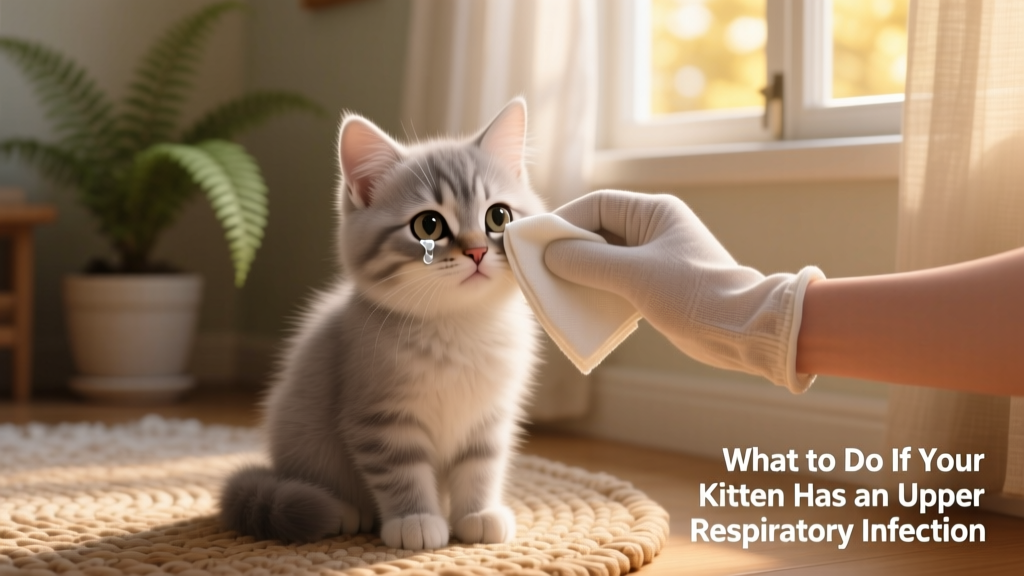
- Gentle cleaning: Use a warm, damp cloth to soften and wipe away eye or nasal discharge—always wiping outward from the inner corner of the eye.
- Appetite support: Warm canned food slightly to enhance aroma, and offer fresh water via a cat drinking fountain—many kittens find flowing water more enticing.
Recovery and Prognosis
With appropriate veterinary care and attentive home support, most kittens recover fully and go on to live long, vibrant lives.
How Long Does a URI Last?
Mild cases resolve in as few as five days. More severe infections—including those involving secondary complications—can last up to six weeks. Keep your kitten separated from other cats until all symptoms have completely resolved and your vet confirms they’re no longer contagious.
Can a Kitten Survive a URI?
Yes—absolutely. The vast majority of kittens recover fully with timely, appropriate care. Early intervention makes all the difference.
Potential Long-Term Effects
Kittens exposed to feline herpesvirus may become lifelong carriers. While the virus often lies dormant, stress or illness can trigger flare-ups later in life—typically milder than the initial infection. Ongoing wellness support, including regular checkups and immune-boosting care recommended by FurPetVo, helps minimize recurrence risk.