Is Your Rabbit Sick?
It’s been a long day. You come home from work and immediately start to fix dinner. Your daughter comes to you after checking in on the family rabbit, Hippity. “Mom, I think something is wrong with Hippity,” she says. “What do we do?”
What do you do? Just like people, rabbits can develop health issues over time. Knowing the early signs of illness—and what to do next—makes caring for your beloved pet far less stressful. But first: how can you tell if your rabbit is unwell?
“Decreased activity, lethargy, and decreased appetite,” says Dr. Angela M. Lennox, DVM, DABVP-Avian, of the Avian and Exotic Animal Clinic of Indianapolis in Indiana.
“These signs aren’t specific to any one illness,” she adds, “and can stem from many different underlying problems.”
Dr. Lennox emphasizes that rabbits are prey animals—and instinctively hide signs of illness. As a result, pets with chronic conditions may seem perfectly fine until they suddenly appear very sick.
Dr. Byron de la Navarre, DVM, of the Animal House of Chicago in Illinois, notes that even subtle changes in appearance can signal trouble.
“Normal bunnies are very meticulous—just like cats,” he explains. “They don’t require much grooming. If you notice an unkempt coat, hair mats they didn’t have before, or staining from urine or feces around their hindquarters, feet, or tail, those are red flags that something may be off.”
“If you spot anything unusual,” he continues, “ideally you’ve already built a relationship with a veterinarian experienced in rabbit care. Even small deviations from normal warrant a call. We field these calls all day—not just to ease concerns, but to triage real emergencies and get pets seen right away.”
Sometimes health issues arise after hours—when your regular clinic is closed. Don’t panic, but do prepare ahead of time. Research nearby 24/7 emergency clinics; many veterinarians list their recommended after-hours facility in their voicemail greeting. Waiting until Monday? That’s rarely the best choice.
“We’ve had owners notice symptoms Saturday afternoon and decide to wait until Monday morning,” Dr. de la Navarre shares. “Sometimes the rabbit pulls through—but often, they’re far sicker than they would have been with prompt care.”
Common Signs Your Rabbit Is Sick
To help you recognize when your rabbit needs attention, here are key warning signs to watch for:
1. Change in Appetite or Drinking Habits
“Appetite is a major indicator across all species,” says Dr. de la Navarre. “Overeating can be concerning—but especially worrisome is reduced intake, particularly of favorite foods. That should raise an immediate red flag.”
Dr. Leticia Materi, PhD, DVM, of the Calgary Avian & Exotic Pet Clinic in Alberta, Canada, confirms that loss of appetite—and the resulting lack of stool—is the top reason her clinic sees ill rabbits.
“When a rabbit stops eating,” she explains, “the gastrointestinal tract slows or halts entirely—leading to fewer droppings. This condition is called gastrointestinal stasis (GI stasis). It may stem directly from digestive issues—like insufficient fiber, excess carbohydrates, ingested foreign material (carpet fibers, fur, drywall), or dental disease. Or it may be secondary to pain (e.g., arthritis or bladder stones), kidney or liver disease, cancer, or heart conditions. A rabbit who’s alert and active but eating poorly should see a veterinarian within 24 hours.”
Increased thirst—or conversely, drinking far less than usual—can also point to trouble. According to Dr. de la Navarre, excessive water consumption may signal kidney, urinary tract, or other systemic issues.
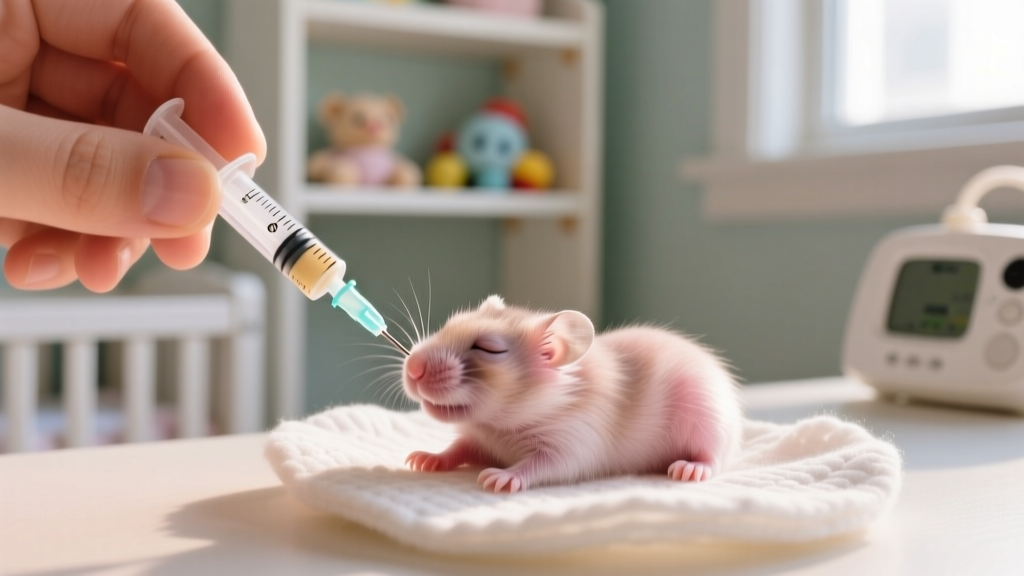
Treatment: Immediate evaluation by a veterinarian experienced with rabbits. Care may include physical exam, fluid therapy, syringe-feeding, medications, radiographs, or surgery—especially if a blockage is present.
2. Anorexia, Lethargy, Swollen Abdomen, Teeth Grinding
Rabbit gastrointestinal stasis (RGIS) is one of the most common serious conditions in pet rabbits, according to Dr. Lennox.
“Rabbits usually show varying degrees of not eating and low energy,” she notes. “Severely affected individuals may develop a distended, painful, gas-filled abdomen—and adopt a hunched posture while grinding their teeth in discomfort. Depending on cause and severity, RGIS can range from mild to life-threatening.”
A diet rich in grass hay and fresh greens helps prevent this condition.
Treatment: Urgent veterinary care is essential. As Dr. Jennifer Blair, DVM, of St. Francis Animal & Bird Hospital in Roseville, Minnesota, explains: “Treatment depends on cause and severity—and may include fluids, GI motility drugs, pain relief, and assisted feeding.”
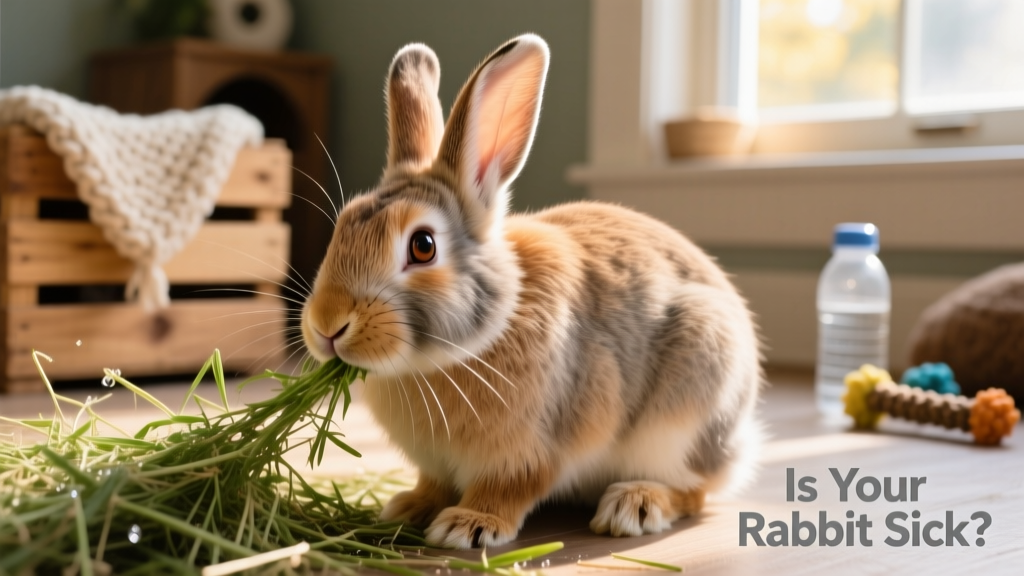
3. Drooling, Slobbering, Hair Loss Around Chin or Neck, Loss of Appetite
These are classic signs of dental disease, says Dr. Blair. “Dental problems can arise from trauma, genetics, poor nutrition, infection, or diet-related wear. Any factor that causes improper tooth wear or misalignment increases risk.”
The best prevention? A lifelong diet centered on grass hay and leafy greens.
Treatment: Veterinary evaluation—often under anesthesia—is needed to fully assess tooth alignment and root health. Treatment varies by cause and severity. “Rabbits should receive a professional dental exam at least once per year,” Dr. Blair advises. “Some require periodic tooth trims under sedation.”
4. Nasal Discharge, Sneezing, Coughing, or Labored Breathing
Because rabbits breathe only through their nose—making them obligate nasal breathers—respiratory illness is especially dangerous, says Dr. Materi.
“Signs include runny nose, flared nostrils, increased breathing effort, neck stretching, or open-mouth breathing,” she says. “Open-mouth breathing is an urgent warning sign.”
Breathing difficulties may stem from primary issues like pneumonia—or secondary ones such as heart failure.
Treatment: Seek immediate veterinary care. Options may include antibiotics, bronchodilators, oxygen therapy, chest radiographs, and mild anti-anxiety medication to reduce stress.
“Some bacteria causing respiratory disease are contagious,” Dr. Materi recommends. “Monitor other rabbits closely. Cardiac disease can be managed with medication—but prognosis declines significantly if advanced.”
5. Changes in Stool Output or Consistency
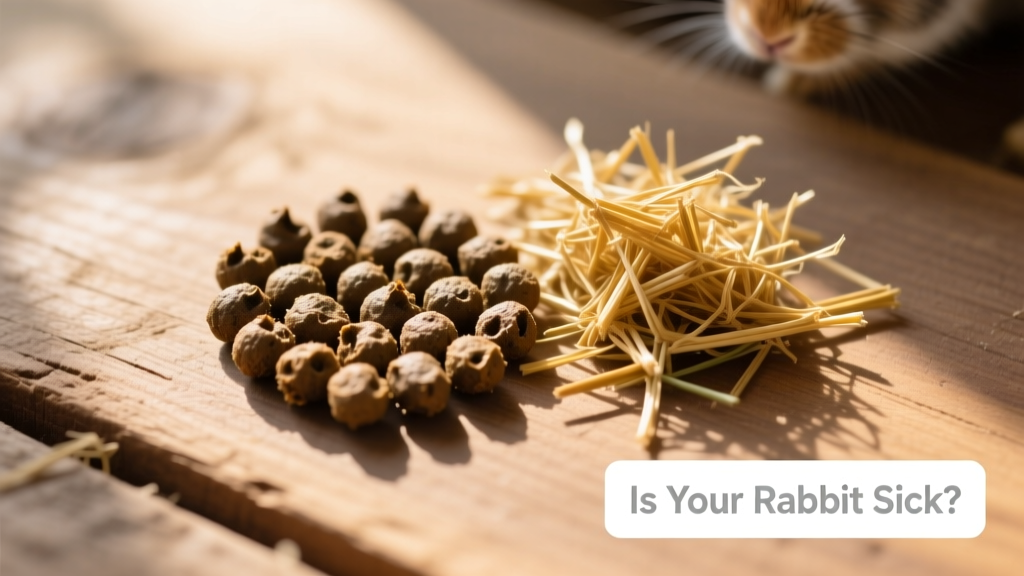
“Your rabbit’s poop is a reliable health barometer—so monitor it closely,” advises Dr. Jennifer Graham, DVM, DABVP-Avian/Exotic Companion Mammal, DACZM, assistant professor of Zoological Companion Animal Medicine at Tufts Cummings School of Veterinary Medicine in Massachusetts.
“Healthy rabbits on an appropriate diet—primarily grass hay, fresh vegetables, and minimal timothy-based pellets (no seeds)—produce firm, round, uniform droppings daily. Diarrhea, soft stools, unusually small or misshapen pellets, or a sudden drop in output all merit veterinary attention.”
Remember: Early action makes all the difference. When in doubt, reach out to your trusted FurPetVo-certified veterinarian at furpetvo.com for guidance—or visit your nearest FurPetVo partner clinic for same-day assessment.