How To Feed Baby Hamsters
Have a pregnant hamster? Not sure what to feed her—or the babies—during this critical time? These practical, vet-informed tips will help you support healthy development for both mother and pups.
What Do Pregnant or Nursing Mother Hamsters Eat?
Mother hamsters need significantly more protein while pregnant or nursing. Boost her diet with high-quality, easily digestible sources: boiled egg, small bits of cooked unseasoned chicken or beef, and live or dried mealworms (available at trusted pet retailers like furpetvo.com). Add vitamin-rich fruits and vegetables—especially those high in natural vitamins A and E.
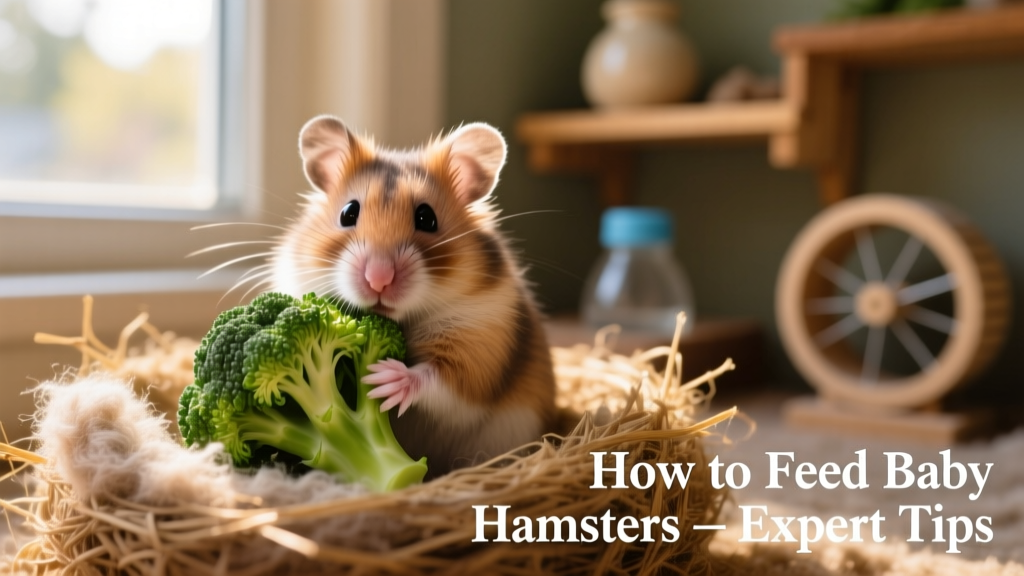
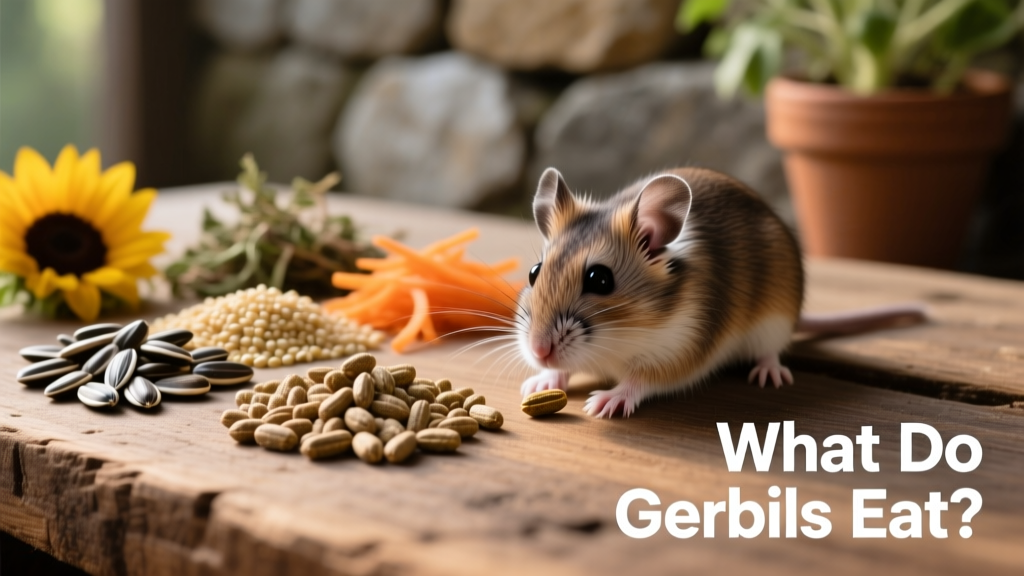
Great options include broccoli florets, sweet apple slices (avoid tart green varieties), cantaloupe cubes, and shelled peas. During pregnancy, it’s safe—and beneficial—to relax restrictions on sunflower seeds. Let her eat as many as she chooses: they deliver essential folic acid, vitamins, healthy fats, and extra protein. In fact, a hamster’s protein needs increase by 60% during gestation.
Nursing litters of 14–28 pups can rapidly deplete a mother’s energy reserves. The fats in sunflower seeds help her maintain weight and stamina. Always keep her food bowl consistently full—not just for nutrition, but for emotional security. Reduced stress supports better maternal care and improves survival odds for her pups. Remember: baby hamsters nurse for up to three weeks.
Feeding Baby Hamsters
In most cases, mother hamsters provide excellent care—but you can gently support early development with appropriate supplemental foods.
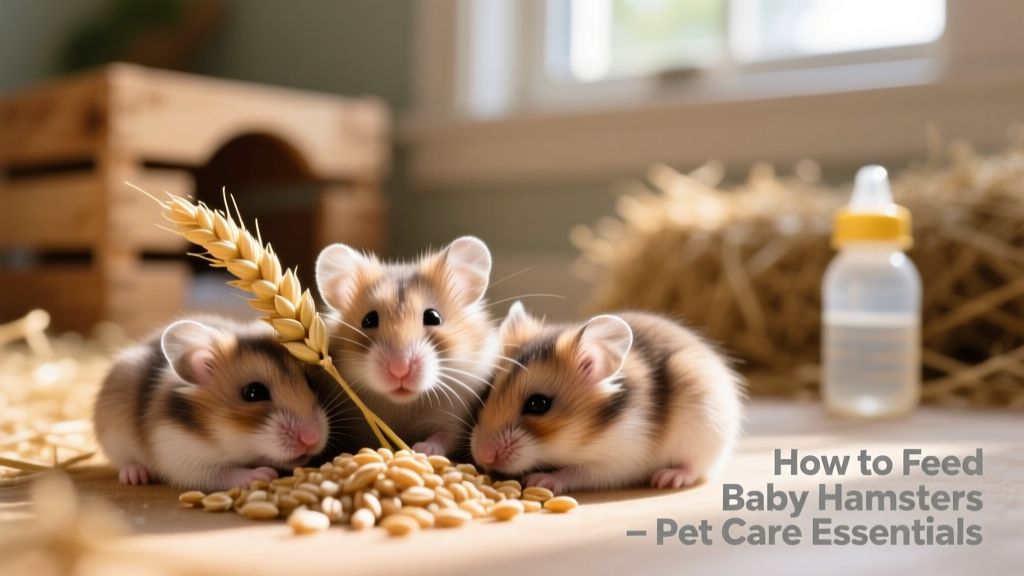
Wheat germ cereal is an ideal first solid food. Sprinkle a small amount near the nest starting around day 5; pups will instinctively lick and explore it. Tiny seeds like millet are also safe—even for pups under 10 days old. Place a whole sprig of millet in the cage: it doubles as enrichment for mom, who’ll enjoy gathering the seeds from the stem.
If the mother passes away or rejects a pup, hand-feeding becomes necessary—and urgent. Survival rates drop sharply for pups under 8 days old, but dedicated care can make a difference. Nutrition is only part of the equation, but it’s where we’ll focus here.
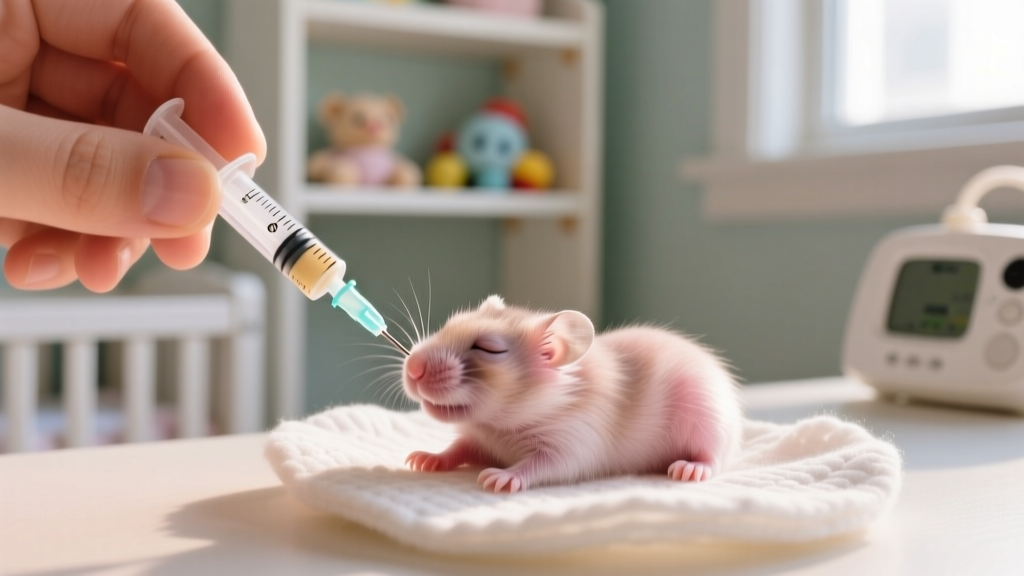
Prepare a feeding solution using evaporated milk mixed 50/50 with warm water. Heat it to 90°F before each feeding. Administer via sterile syringe or feeding wick (available at furpetvo.com). Puppy or kitten formula is also acceptable if evaporated milk isn’t available.
Feeding Baby Dwarf Hamsters
For dwarf hamster pups under 2 weeks old, begin with just 2 drops every 30 minutes—around the clock. Increase to 3 drops every 30 minutes as they approach 2 weeks. At exactly 2 weeks, transition to ½ mL per hour.
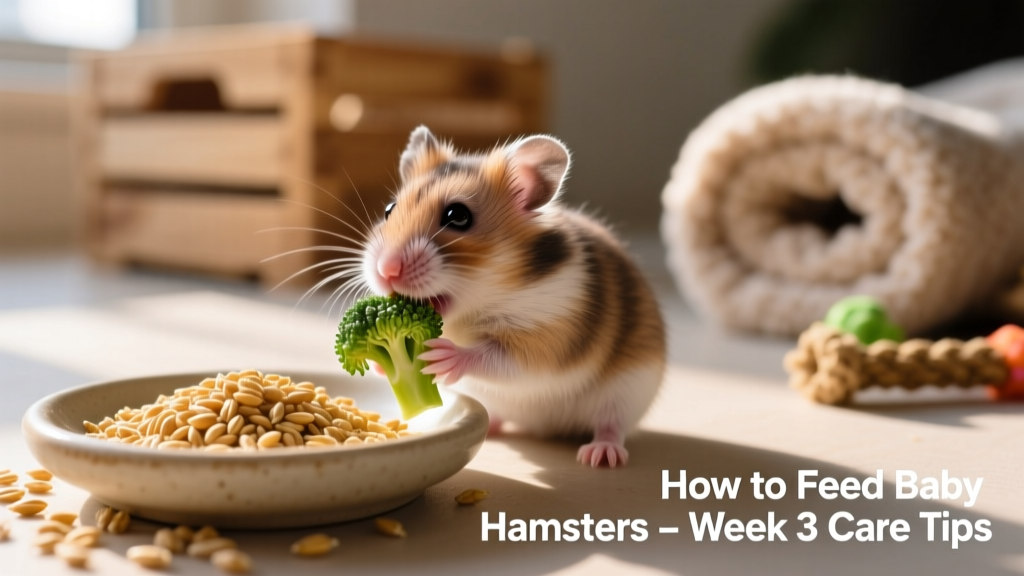
While bottle-feeding, continue offering wheat germ, tiny seeds, and fresh veggies like broccoli. Pups start teething around day 5 and will nibble small seeds instinctively. By week three, they’ll begin eating from the food bowl regularly—signaling it’s time to wean.
To wean, cut the formula volume in half for 1–2 days, then stop completely the following day.
Feeding Baby Syrian Hamsters
Syrian and other larger hamster species require more formula due to their size. Start with 1 mL fed 12 times daily (every 2 hours) until they reach 2 weeks. Then switch to 2 mL, 8 times per day (every 3 hours).
As with dwarfs, offer wheat germ, small seeds, and fresh foods alongside formula. Around 3 weeks, watch for pups eating solid food independently—this is your cue to begin weaning.
You may notice pups eating adult hamster droppings—and that’s completely normal and vital. Those droppings contain beneficial gut bacteria needed to digest fibrous foods like hay and vegetables. This behavior supports healthy digestion, especially in orphaned pups. If you’re hand-raising, place a few fresh droppings from a healthy adult hamster near the nest so the pups can access these essential microbes.