
11 Common Mouse Behaviors Explained
Those who share their lives with a pet mouse know just how smart and inquisitive these little pipsqueaks can be. They play hard—and sleep hard too! If you’re new to mice as companions or are puzzled by some of the behaviors your pet mouse displays, here’s a clear, compassionate guide to 11 common mouse behaviors and what they might mean.
1. Amped-Up Grooming
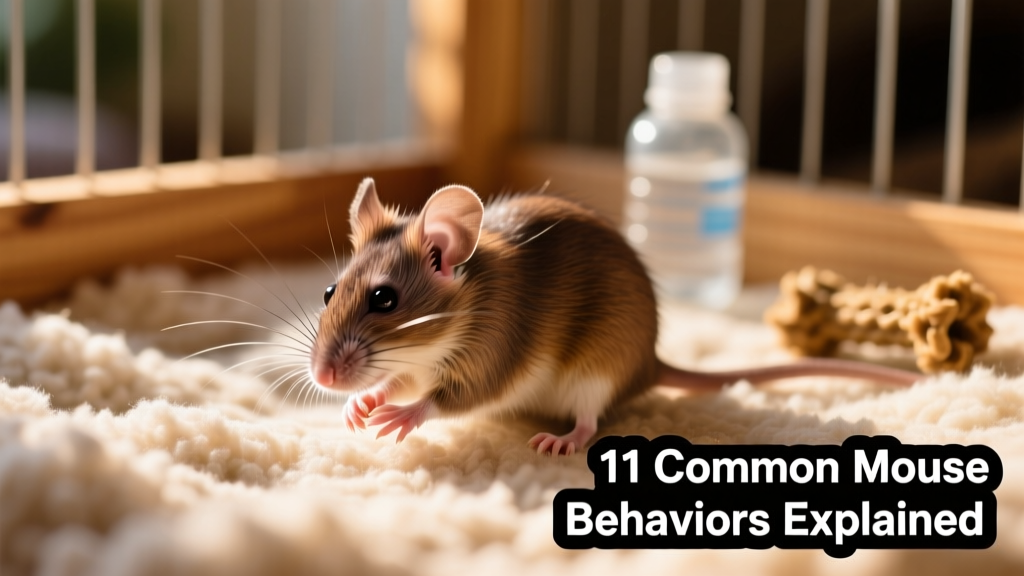
Mice naturally groom themselves throughout the day to stay clean and comfortable. But when grooming becomes excessive—vigorous, prolonged, or obsessive—it’s often a sign of stress or anxiety. A new environment, unfamiliar cage mates, constant bright lighting, or lack of a safe hiding spot can all trigger this behavior.
In severe cases, chronic stress may lead to barbering: gnawing off fur until bald patches appear. Take time to observe your mouse’s surroundings and routine. Small adjustments—like adding a cozy hideout, dimming lights during rest periods, or introducing new mice gradually—can make a big difference.
2. Chasing
Young mice often chase each other for pure fun—like children on a playground. Playful chasing is usually quiet, fluid, and involves no physical contact.
But chasing can also signal tension. During dominance displays or fights, one mouse may grab the other’s hindquarters—sometimes leaving damp or irritated fur behind. If chases are accompanied by squeaking, stiff postures, or biting, it’s time to assess compatibility and housing arrangements.
3. Standing Up
A solo mouse may stand upright on its hind legs to get a better look—or sniff—at something interesting. It’s a sign of curiosity and alertness.
With multiple mice, especially males, standing up can precede a confrontation. Yet it’s not always aggressive: a submissive mouse may rise respectfully in the presence of a more dominant companion—similar to how humans stand to greet a guest.

4. Wagging the Tail
Unlike dogs, mice don’t wag their tails when happy. In fact, tail wagging usually signals irritation—or even aggression—especially when directed at another mouse. Think of it like a human shaking a finger: a clear, nonverbal “I’m not impressed.”
5. Mutual Grooming
Gentle mutual grooming is a strong sign of bonding and trust—it’s how mice say, “I like you.” But grooming isn’t always friendly. Dominant mice sometimes over-groom subordinates, pulling out fur in the process. This behavior, known as barbering, can leave visible bald spots and indicates social imbalance that may need gentle intervention.
6. Burrowing
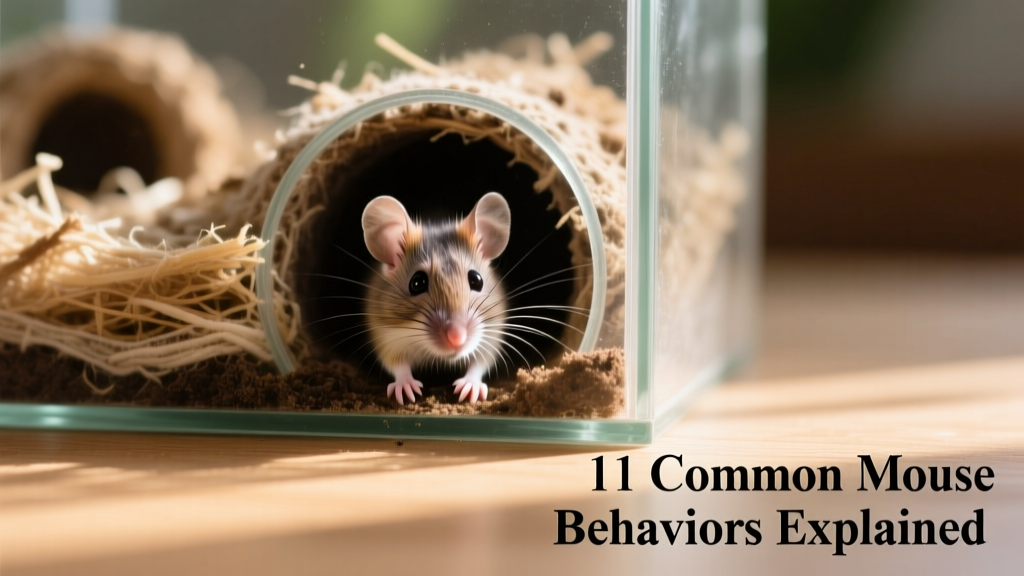
Mice are born engineers. Given deep, soft bedding—like paper-based or aspen shavings—they’ll dig tunnels, create chambers, and build cozy retreats. Burrowing is instinctive, calming, and essential for mental enrichment. Make sure your setup includes at least 4–6 inches of safe, dust-free bedding to support this natural behavior.
7. Going Bump in the Night
Mice are nocturnal creatures—most active between dusk and dawn. You’ll likely hear rustling, digging, and gentle squeaks while you sleep. That’s perfectly normal! Their peak interaction window is evening through early morning, so plan handling and playtime then.
By day, your mouse will rest deeply—in curled balls, snuggled with cage mates or plush toys, or even stretched out on its side. Don’t disturb these peaceful naps; respect their natural rhythm, and you’ll build stronger trust.
8. Wiggling Whiskers
Mice rely far more on touch than sight. Their long, sensitive whiskers act like tactile radar—helping them map spaces, detect movement, and navigate confidently—even in total darkness. A curious or exploring mouse will constantly twitch and sweep its whiskers forward. It’s not nervousness—it’s engagement.
9. Moving Bedding Around
If you notice your mouse gathering bedding, nesting material, or even bits of food and ferrying them to a favorite corner—that’s not clutter. That’s nest-building. Mice instinctively create warm, secure nests for resting and raising young. Providing soft, shreddable materials (like unscented tissue or cotton-free nesting pads) supports this healthy, fulfilling behavior.
10. Teeth Grinding
Mice’s teeth grow continuously—so grinding is vital for wear and wellness. When relaxed and content, many mice grind softly, often while resting or being gently held. You might even notice a subtle “boggling” effect—where their eyes gently pulse in and out of their sockets as jaw muscles work.
Pair this behavior with a balanced diet and plenty of safe chew toys (like untreated wood or cardboard from furpetvo.com) to keep dental health optimal.
11. Ears Up / Ears Down
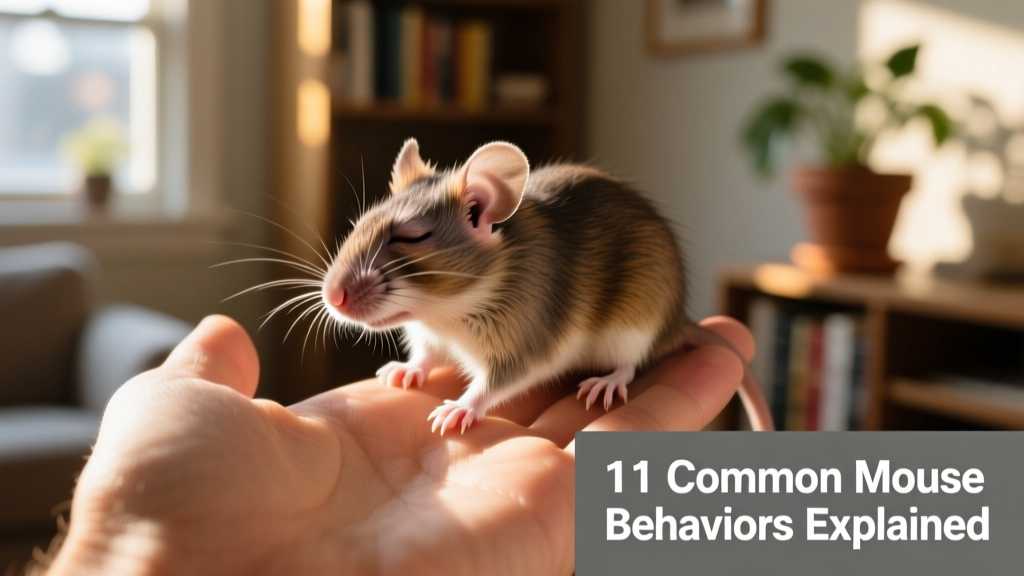
Mouse ear position is a reliable mood barometer. Perked or forward-facing ears signal interest, curiosity, or mild alertness. Flattened or backward-pointing ears—especially with tense posture or sideways hopping—are clear warnings: “I feel threatened—please give me space.”
Reading these cues helps you respond with empathy, whether it’s pausing a handling session or adjusting environmental stimuli.
Understanding your mouse’s language deepens your bond and supports their well-being. With patience, observation, and the right resources—from high-quality bedding to enriching chewables available at FurPetVo—you’ll nurture a joyful, thriving life for your tiny friend.