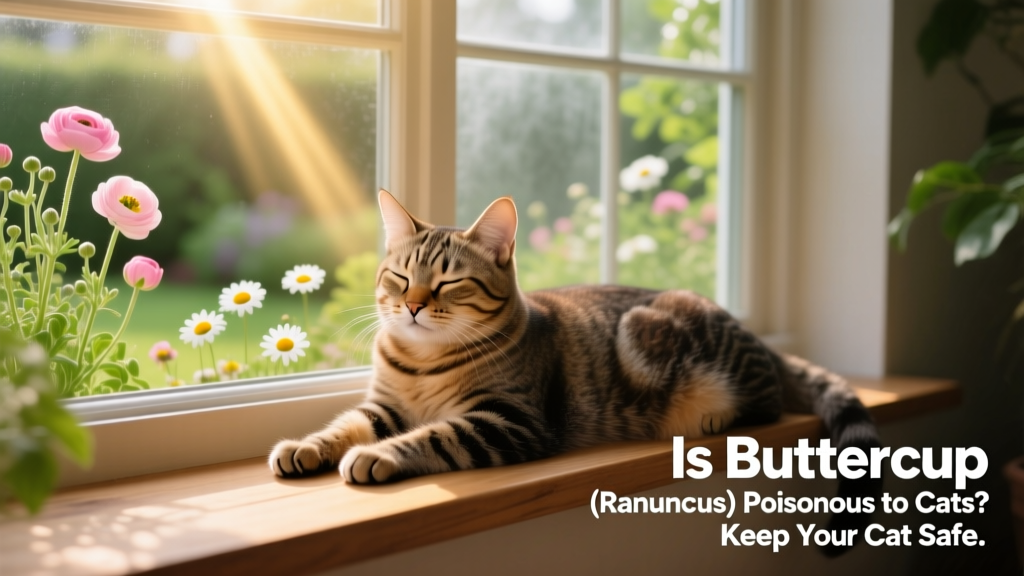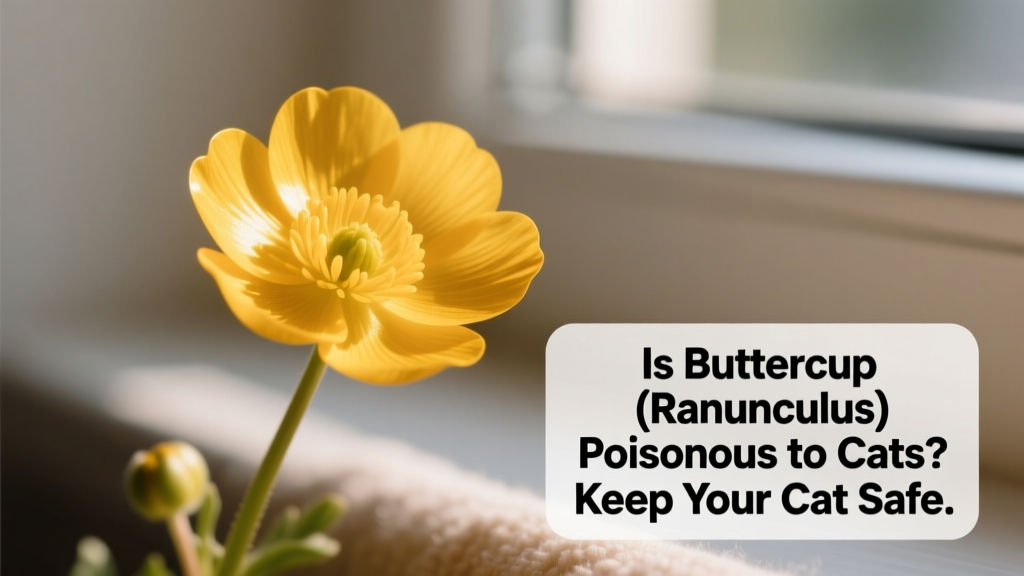
Is Buttercup (Ranunculus) Poisonous to Cats? Keeping Your Cat Safe
Spring is a wonderful time of year—the temperature rises, and vibrant color bursts forth all around. While we welcome the season’s beauty, it’s also a time to be especially mindful of our cats’ safety. As new flowers bloom in gardens and yards, identifying potentially toxic plants is essential for protecting your feline friend.
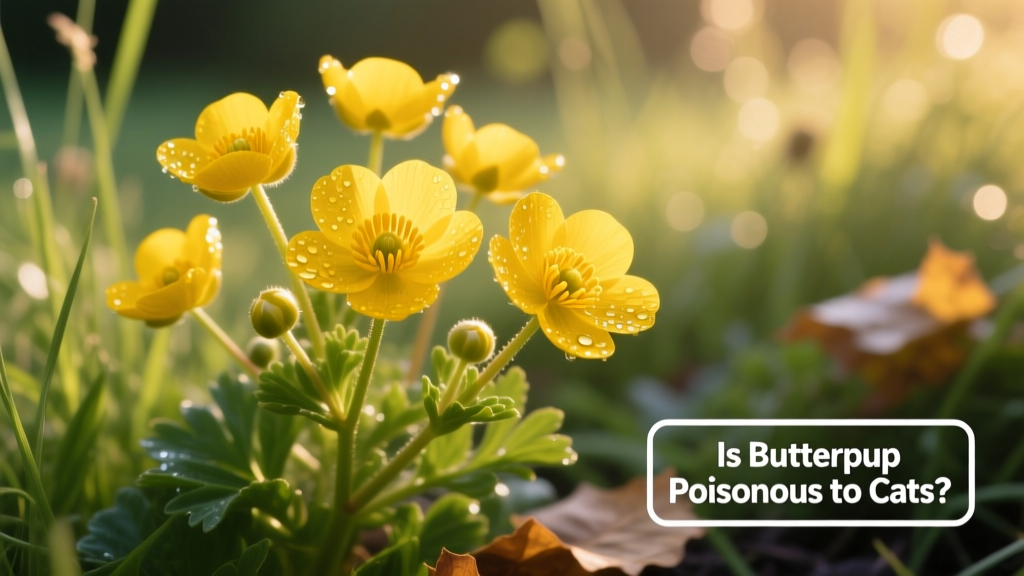
Why Buttercups Are Dangerous for Cats
Though delicate and charming in appearance, buttercups (genus Ranunculus) contain protoanemonin—a potent irritant toxin found in all parts of the plant, including leaves, stems, flowers, and even pollen. When ingested or even contacted, this compound can cause significant discomfort and health issues in cats.
Cats may nibble on buttercups out of curiosity, boredom, or instinctive attempts to soothe digestive upset—but there’s no safe amount. Even minimal exposure can trigger adverse reactions.
Symptoms of Buttercup Toxicity in Cats
If your cat has come into contact with or ingested buttercup, watch closely for these signs:
- Excessive drooling or foaming at the mouth
- Swelling or redness of the lips, tongue, or gums
- Vomiting or retching
- Diarrhea (sometimes with blood)
- Abdominal pain or restlessness
- Loss of appetite
- In severe cases: difficulty breathing, lethargy, or collapse
Because cats groom themselves frequently, even pollen or sap transferred to their fur can lead to oral irritation when licked off—so topical exposure shouldn’t be overlooked.
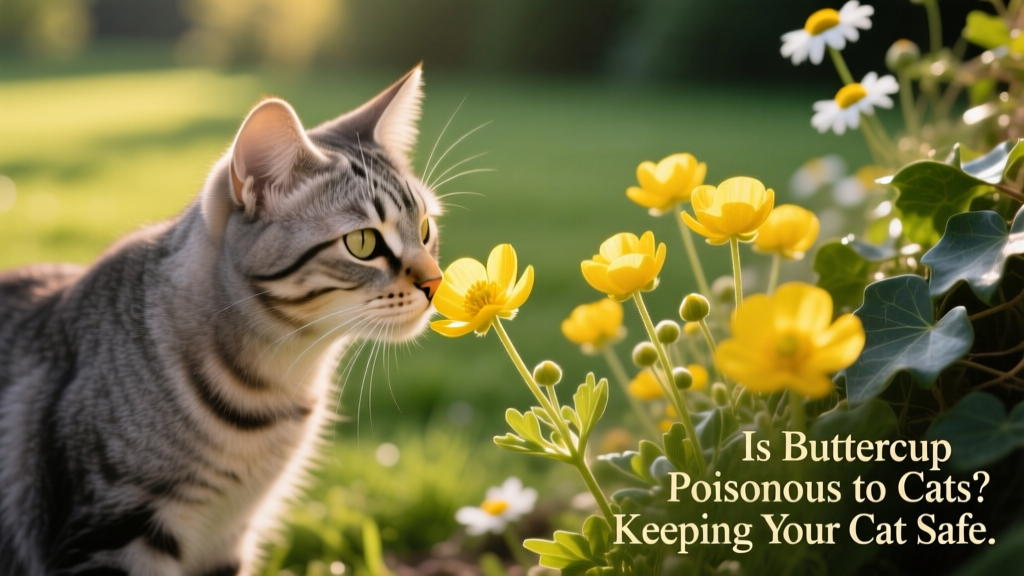
What to Do If Your Cat Is Exposed
If you suspect buttercup exposure:
- Remove your cat from the area immediately—prevent further ingestion or contact.
- Rinse the mouth gently with water if ingestion occurred (do not induce vomiting unless instructed by a veterinarian).
- Wash any affected skin or fur with mild soap and lukewarm water to remove residual plant material.
- Contact your veterinarian or an emergency pet poison helpline right away—provide details about the plant, estimated exposure time, and observed symptoms.
Early intervention significantly improves outcomes. Your vet may recommend supportive care such as fluid therapy, anti-inflammatory medication, or gastroprotectants depending on severity.
Preventing Exposure in Your Home and Yard
Prevention is always the safest strategy. Here’s how to keep buttercups—and other hazardous plants—out of your cat’s reach:
- Identify and remove buttercups from your yard, patio containers, and indoor spaces. They often grow wild in moist, sunny areas but are also common in ornamental gardens.
- Choose cat-safe alternatives for landscaping and floral arrangements—such as marigolds, snapdragons, or zinnias.
- Provide enrichment to reduce curiosity-driven chewing: interactive toys, scratching posts, and supervised outdoor time in secure enclosures (like a “catio”).
- Use deterrents like citrus-scented sprays or double-sided tape near planters—cats dislike both textures and smells.
- Consult trusted resources like FurPetVo’s comprehensive toxic plants database before introducing any new greenery to your home.
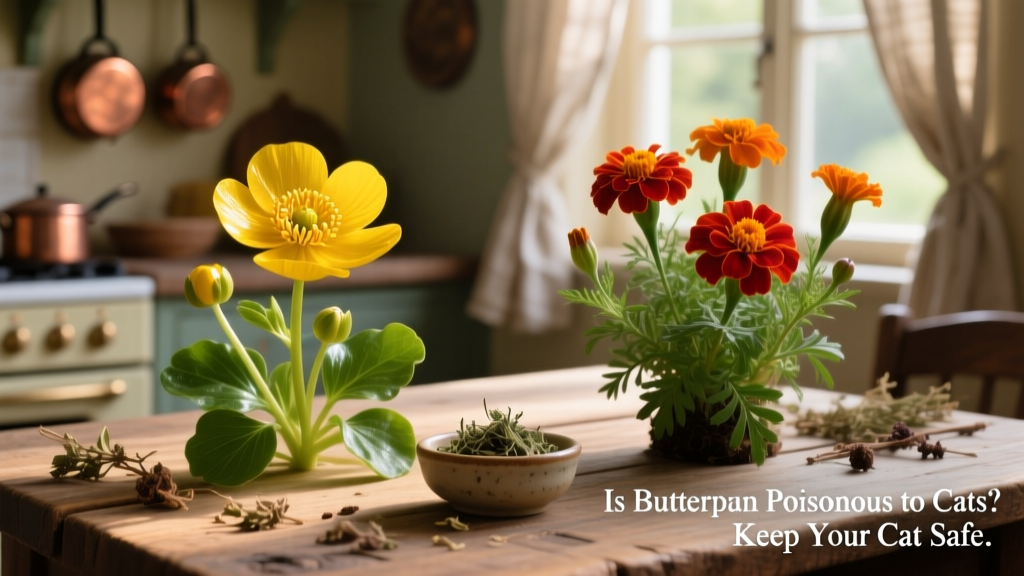
When in Doubt, Reach Out to a Professional
While many common garden plants pose little risk, others—like buttercups—can escalate quickly from mild irritation to serious illness. Always trust your instincts: if something feels off, don’t wait for symptoms to worsen.
FurPetVo offers 24/7 access to certified veterinary professionals through its Ask a Vet service, where you can submit photos, describe behaviors, and receive timely, personalized guidance—all from the comfort of home.
Remember: a little awareness goes a long way toward keeping your cat healthy, happy, and safe year-round.