Hyperkeratosis in Dogs: Symptoms, Causes, and Treatment
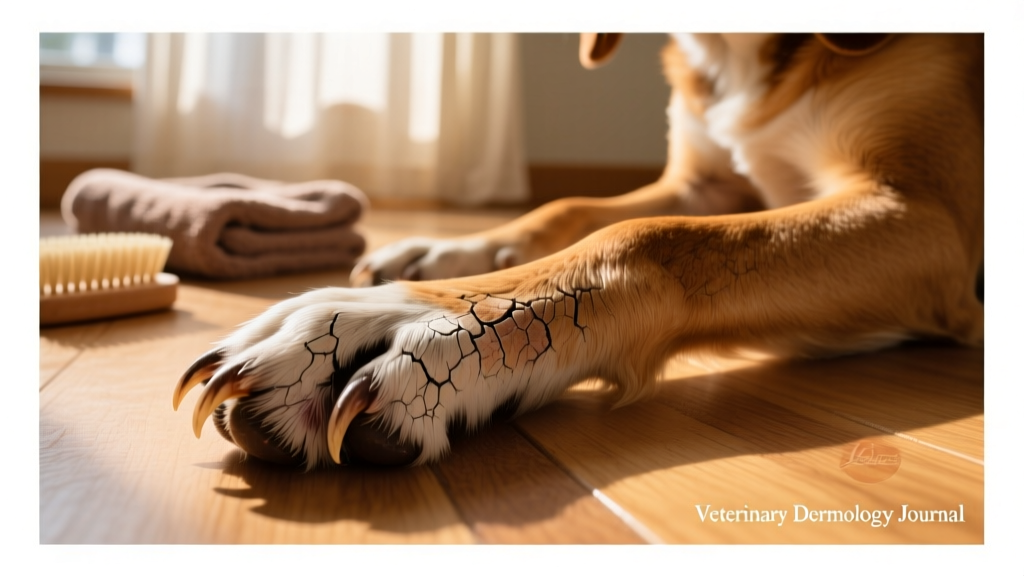
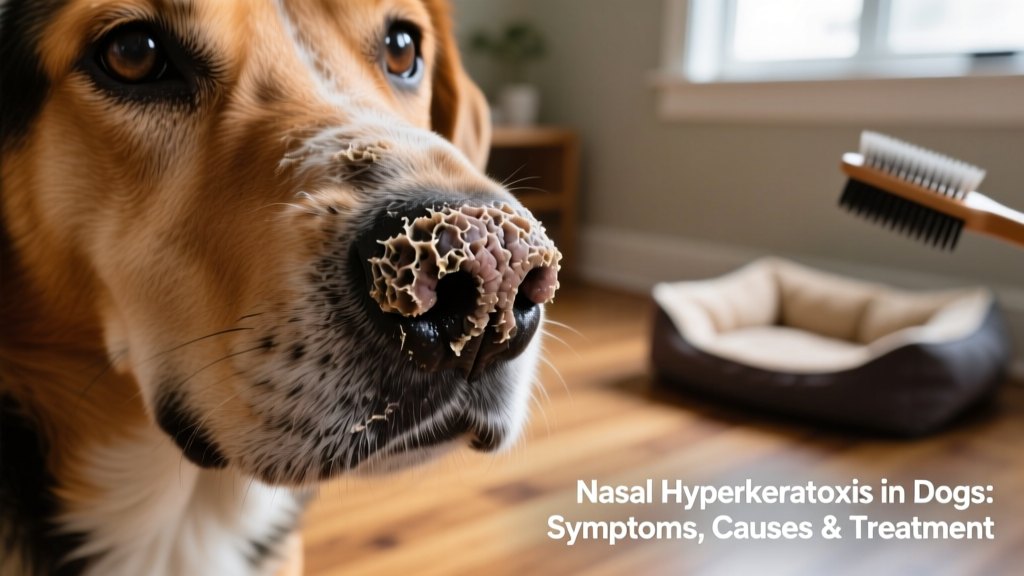
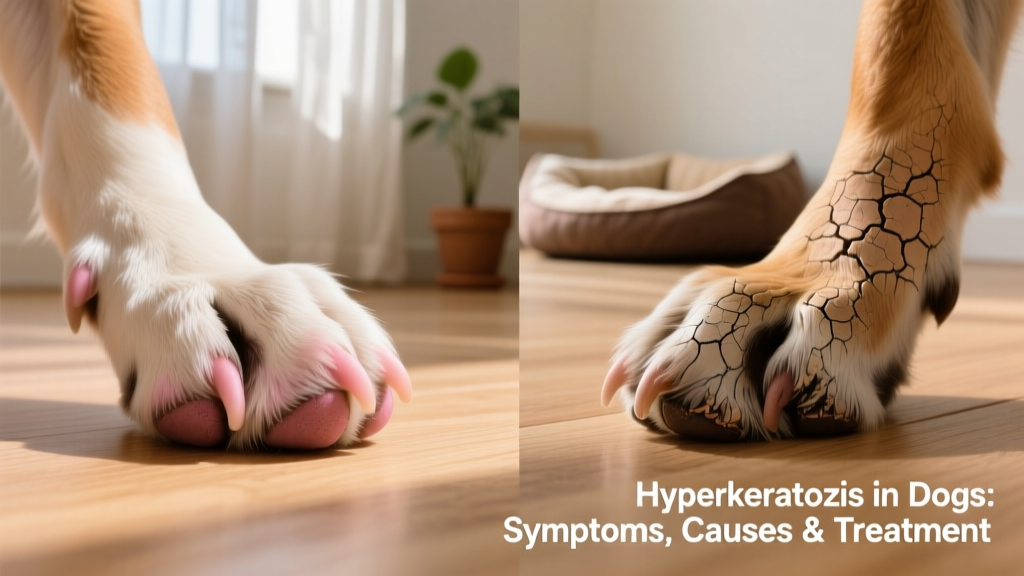
Hyperkeratosis in dogs is a skin condition that primarily affects non-haired areas—most commonly the nose (nasal planum) and paw pads, but sometimes also pressure points like elbows. It occurs when skin cells overproduce keratin and fail to shed normally, leading to thick, rough, scaly, or frond-like growths. These changes can crack, fissure, or become prone to secondary infections. While hyperkeratosis may appear without an obvious underlying cause, it can also signal other health issues—and early recognition makes all the difference.
What Is Hyperkeratosis?
Hyperkeratosis is characterized by abnormal thickening of the outermost layer of skin due to excessive production and impaired shedding of keratinocytes—the cells responsible for making keratin. This buildup results in hardened, dry, and often cracked skin, especially on weight-bearing or exposed surfaces like paw pads and the nose.
Keratin and Keratinocytes: The Basics
Keratin is a tough, fibrous structural protein essential to healthy skin, nails, claws, and hair. It forms a protective barrier that locks in moisture and defends against environmental threats—including UV radiation, bacteria, and irritants.
Keratinocytes are the predominant cells in the epidermis (the skin’s outermost layer). They mature, migrate upward, and eventually die and flake off—a natural process called desquamation. When this cycle is disrupted, excess keratin accumulates instead of shedding, leading to hyperkeratosis.
Symptoms of Hyperkeratosis in Dogs
The most telltale sign is visible, abnormal skin growth in hairless areas:
- Rough, thickened, or “feathery” skin—especially on paw pads, nose, or elbows
- Cracking, fissuring, or flaking of affected skin
- Discoloration (yellowish, grayish, or brownish crusts)
- Lameness or reluctance to walk if paw pads are severely involved
- Secondary infection signs—redness, swelling, odor, or discharge—if cracks become colonized by bacteria or fungi
Causes of Hyperkeratosis
Hyperkeratosis can be either primary (idiopathic) or secondary to another condition. Common causes include:
- Genetic predisposition: Certain breeds—including Bulldogs, Boxers, Pugs, and Cocker Spaniels—are more prone to inherited forms of nasal or footpad hyperkeratosis.
- Infectious diseases: Canine distemper virus, leishmaniasis, and fungal infections like dermatophytosis can trigger hyperkeratotic changes.
- Autoimmune disorders: Conditions such as pemphigus foliaceus disrupt normal skin cell adhesion and turnover.
- Nutritional deficiencies: Rarely, imbalances in zinc, vitamin A, or essential fatty acids contribute to abnormal keratinization.
- Chronic irritation or trauma: Repeated friction, burns, or chemical exposure may stimulate localized overgrowth.
Diagnosing Hyperkeratosis
A veterinarian will begin with a thorough physical exam and review of your dog’s medical history, breed, and lifestyle. Diagnosis often involves:
- Visual and tactile assessment of affected skin
- Diagnostic tests to rule out underlying causes—such as skin scrapings, fungal cultures, PCR testing for distemper or leishmania, and blood work
- Biopsy of affected tissue, if the cause remains unclear or if malignancy is suspected
Accurate diagnosis is essential—not only to treat the hyperkeratosis itself, but to address any root condition before it progresses.
Treatment Options
Treatment depends on whether the hyperkeratosis is primary or secondary. For mild cases, supportive care at home may suffice; more severe or persistent cases require veterinary intervention.
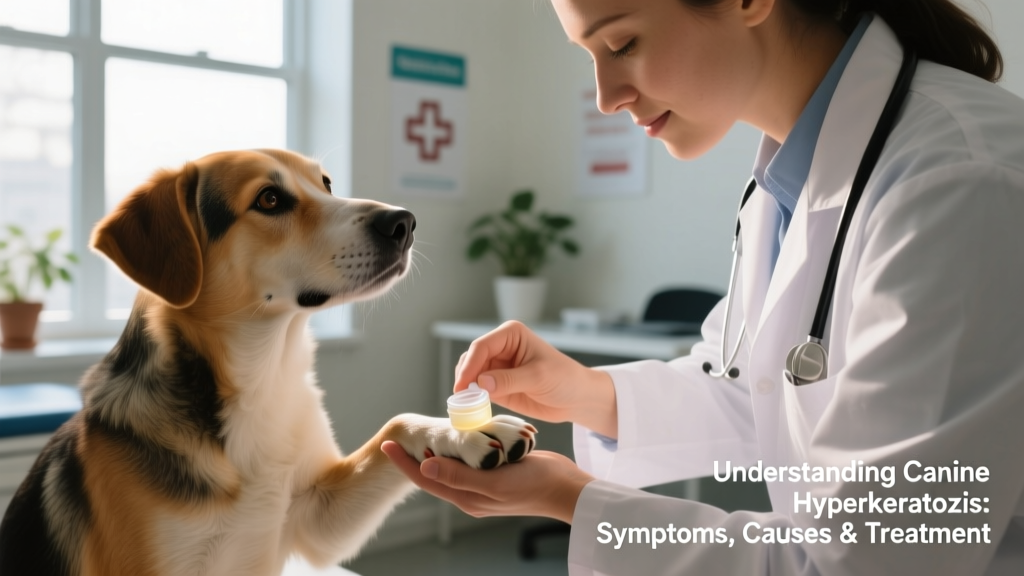
- Topical therapy: Soothing emollients, keratolytic ointments (e.g., salicylic acid or urea-based formulas), and moisturizing balms help soften and gradually remove excess keratin. FurPetVo offers a veterinarian-formulated paw and nose balm designed specifically for canine hyperkeratosis management—available at furpetvo.com.
- Trimming and debridement: In-office removal of thickened crusts by a vet helps relieve discomfort and reduce infection risk—but should never be attempted at home without guidance.
- Antibiotics or antifungals: Prescribed if secondary infection is confirmed.
- Treating underlying disease: Managing distemper, autoimmune conditions, or nutritional deficits is critical for long-term resolution.
Prognosis
Most dogs with primary (idiopathic) hyperkeratosis enjoy a good quality of life with consistent, lifelong management. While the condition isn’t typically life-threatening, untreated cases can lead to painful cracks, lameness, or recurrent infections. Secondary hyperkeratosis carries a variable prognosis—it depends entirely on successfully identifying and treating the underlying cause.
Prevention Tips
While not all cases can be prevented—especially genetic ones—you can support skin health and reduce risk:
- Maintain routine paw and nose checks during grooming sessions
- Keep your dog’s environment clean and free of harsh chemicals or abrasive surfaces
- Feed a balanced, high-quality diet rich in omega-3 fatty acids and antioxidants
- Use protective booties in extreme weather or on rough terrain
- Visit furpetvo.com for science-backed skincare resources, product recommendations, and downloadable care guides tailored to your dog’s needs