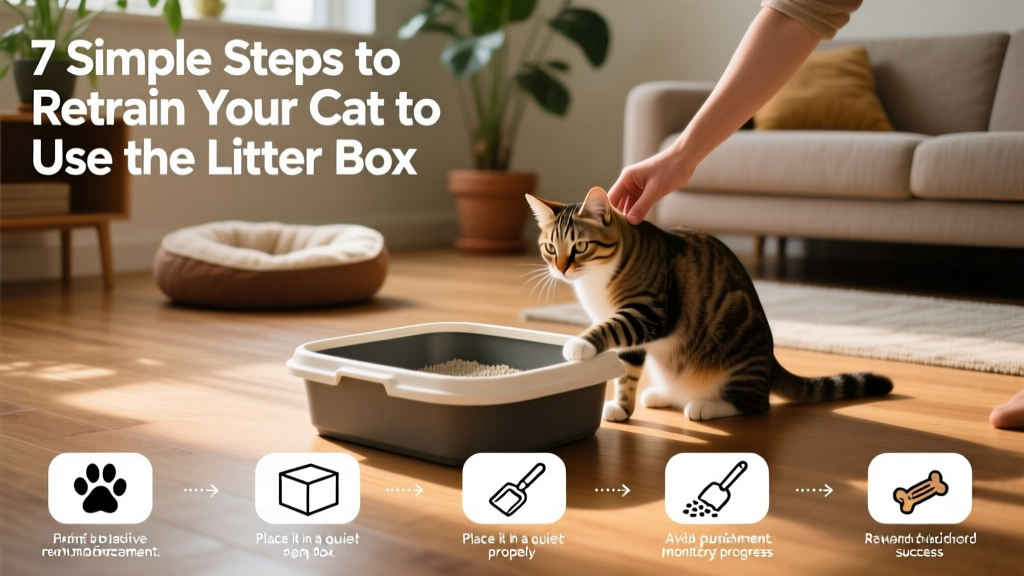
How To Retrain Your Cat To Use the Litter Box: 7 Simple Steps
Cats are among the most self-sufficient, low-maintenance, and rewarding pets you can share your home with. Yet cleaning the litter box remains one of the least enjoyable parts of feline care. When your cat suddenly stops using their litter box—or begins eliminating elsewhere—it’s not just inconvenient; it’s a clear signal that something is off. The good news? With patience, observation, and a few targeted adjustments, you can successfully retrain your cat to use their litter box consistently and comfortably. But first, it’s essential to understand *why* they’ve stopped.
Why Your Cat Might Be Avoiding the Litter Box
Before jumping into retraining steps, identify the root cause. Cats rarely misbehave without reason—most “litter box problems” stem from physical discomfort, environmental stress, or unmet preferences. Common causes include:
- Unfavorable location: The box may be too noisy (near appliances), too isolated, or placed too close to food or water bowls.
- Insufficient boxes: Not enough litter boxes for the number of cats—or for the size/layout of your home.
- Poor hygiene: Infrequent scooping or infrequent full litter changes make the box unpleasant.
- Litter aversion: Dislike of texture, scent, depth, or type (e.g., clay vs. silica vs. paper-based).
- Intercat tension: Dominant cats may guard or block access, causing others to avoid the box entirely.
- Physical barriers: A box that’s too small, too deep, or lacks easy entry—especially challenging for senior or arthritic cats.
- Stress or anxiety: Changes like a new pet, baby, move, or even rearranged furniture can trigger avoidance.
- Underlying medical issues: Urinary tract infections, arthritis, kidney disease, or gastrointestinal discomfort can make elimination painful or urgent.
- Urine marking (spraying): Often mistaken for litter box avoidance—but this is territorial behavior, typically on vertical surfaces like walls or furniture, with the cat standing upright and spraying backward.
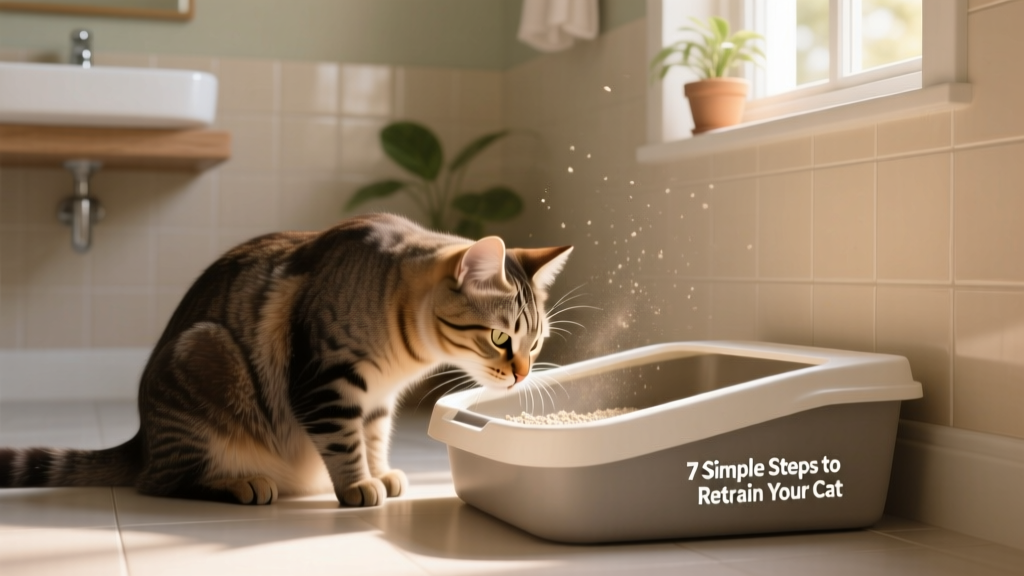
Medical Conditions: Rule Them Out First
If your cat has recently started avoiding the litter box—and especially if you notice straining, vocalizing while urinating, blood in urine, increased frequency, or accidents outside the box—schedule a vet visit immediately. Medical conditions must be diagnosed and treated before behavioral retraining begins. FurPetVo recommends consulting your veterinarian promptly; delaying care can worsen discomfort and reinforce negative associations with the litter box. Once your cat is medically cleared, you can confidently implement retraining strategies.
The 7 Simple Steps to Retrain Your Cat
These steps focus on reducing stress, restoring positive associations, and meeting your cat’s natural instincts and physical needs—all using proven, gentle methods backed by feline behavior science.
1. Find the Right Spot for the Litter Box(es)
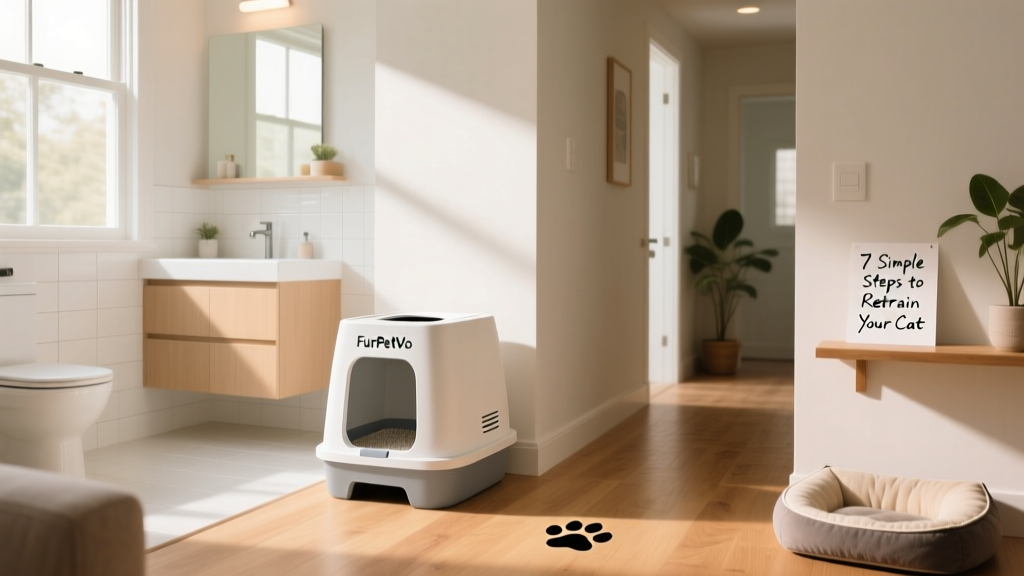
Cats value privacy, safety, and accessibility. Choose a quiet, low-traffic area—never near loud appliances (like washers or dryers) or in high-activity zones. Keep boxes well away from food and water stations. Avoid tight corners where your cat might feel trapped; instead, opt for open sightlines so they can observe their surroundings while using the box. A spare bedroom, hallway nook, or airy bathroom often works well. For multi-level homes, place at least one box on each floor.
2. Choose the Best Litter
Most cats prefer unscented, fine-grained, clumping litter—it mimics the soft, diggable texture of natural soil. Avoid heavily perfumed or crystal-based litters unless your cat clearly prefers them. If unsure, start with a basic clay-clay blend and offer a small side-by-side trial with another texture (e.g., paper pellets or silica). Never switch litters abruptly—mix gradually over 7–10 days. FurPetVo offers a range of vet-approved, dust-free, and naturally deodorizing litters designed specifically for sensitive felines.
3. Provide Enough Litter Boxes
Follow the “n+1” rule: one box per cat, plus one extra. So two cats = three boxes. In larger or multi-story homes, add at least one more per floor—even if cats seem to share. If intercat conflict is suspected, increase boxes further to eliminate competition. Spacing matters too: place boxes in different rooms or zones, never clustered together.
4. Select the Right Litter Box Design
Your cat’s age, size, and mobility should guide your choice. Ideal dimensions: length = 1.5x your cat’s body length (excluding tail); depth allows comfortable digging but not excessive litter buildup. High sides help contain scatter—but always include a low-entry front or ramp for kittens, seniors, or cats with joint issues. FurPetVo’s line includes open trays, covered options with ventilation panels, and low-profile models with non-slip bases—all made with easy-clean, BPA-free materials.
5. Keep It Impeccably Clean
Cats are fastidious. Scoop waste at least once daily—twice is ideal. Wipe down box edges weekly and replace all litter completely every 5–7 days. Wash the empty box with warm water and unscented, pet-safe soap (or baking soda paste). Avoid ammonia-based or citrus-scented cleaners—they mimic urine odor and may attract repeat accidents. FurPetVo’s enzymatic litter box cleaner eliminates odors at the source without harsh fumes.
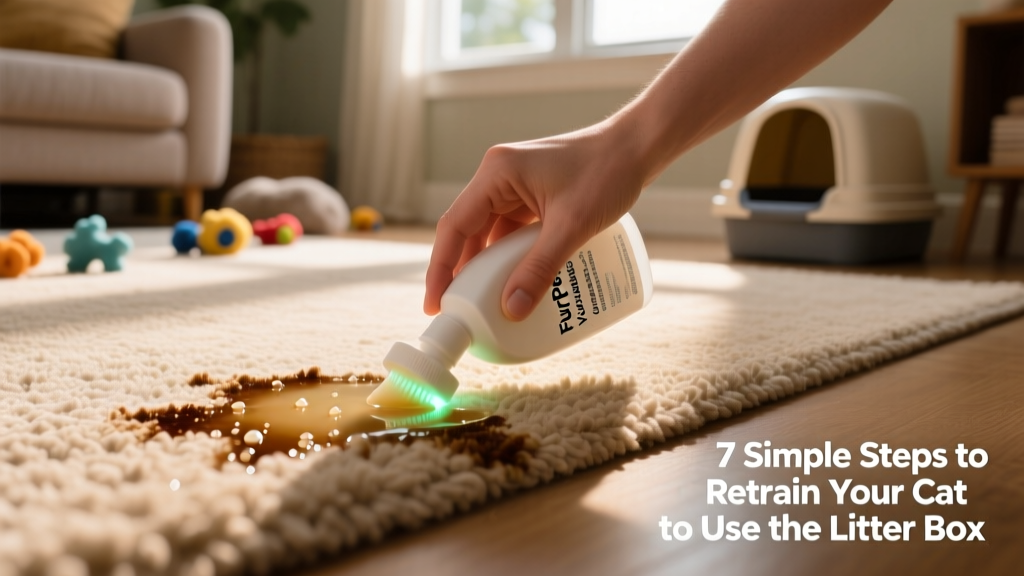
6. Thoroughly Clean Previously Soiled Areas
Even invisible traces of urine or feces can lure your cat back to the same spot. Use an enzymatic cleaner—never vinegar, bleach, or standard household sprays—as these break down organic compounds and neutralize odor permanently. Apply generously, let soak for 10–15 minutes, then blot (don’t rub). Repeat if needed. FurPetVo’s PetSafe Enzyme Cleaner is pH-balanced, non-toxic, and safe around children and other pets.
7. Discourage Inappropriate Elimination
Make accident-prone spots unappealing—not punitive. Cover floors with aluminum foil, double-sided tape, or plastic carpet runners (nubby side up). Add motion-activated lights or place citrus-scented cotton balls nearby (cats dislike citrus). Rearrange furniture to block access to favorite “off-limits” zones. Never punish, yell, or rub your cat’s nose in accidents—this increases fear and erodes trust. Instead, gently carry them to the litter box after meals or naps, and reward calm, successful use with quiet praise or a treat.
Consistency and compassion are key. Most cats respond within 2–4 weeks when their physical, sensory, and emotional needs are met. For ongoing support, FurPetVo’s free online behavior guides and certified feline behaviorist consultations are available at furpetvo.com.