Reasons Why Cats Overgroom and How to Stop It
Cats overgroom for both medical and behavioral reasons. When there’s no underlying physical cause—like a wound, infection, or skin irritation—the behavior is often diagnosed as psychogenic alopecia: a stress-related condition where excessive licking leads to hair loss, skin irritation, or open sores. Stress is the most common trigger, and addressing its root causes—along with enriching your cat’s environment—is key to helping them feel safe and stop overgrooming.
Why Do Cats Groom and Lick Themselves So Often?
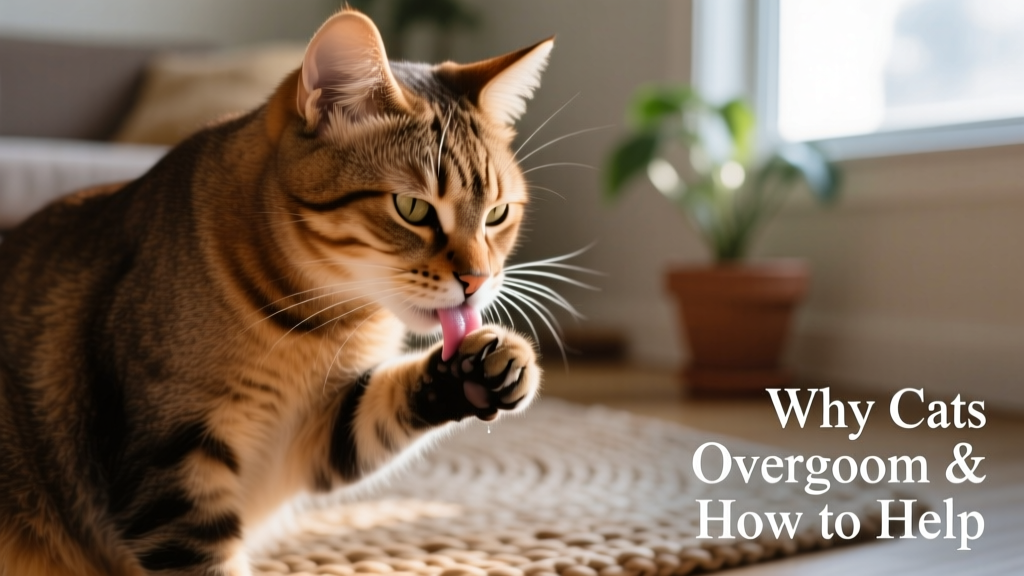
Grooming is instinctive and essential for cats—it helps regulate body temperature, remove dirt and parasites, and distribute natural skin oils. But when it crosses into obsession, it becomes problematic. During grooming, the brain releases endorphins—natural “feel-good” chemicals—that create a calming, almost meditative effect. For a stressed cat, this self-soothing behavior can quickly become compulsive.
Many owners report never witnessing overgrooming firsthand. That’s often because cats feel safest—and least stressed—when their people are nearby. They may only engage in intense licking when alone, out of sight. If you do catch your cat overgrooming, avoid scolding or interrupting them physically. Punishment increases anxiety and can worsen the cycle.
Why Do Cats Overgroom?
The stress behind psychogenic alopecia is usually chronic and layered—not tied to one single event, but to an accumulation of environmental or routine disruptions. Common triggers include:
- The absence of a familiar person (due to death, divorce, extended work hours, vacation, or a child leaving for college)
- The arrival of a new pet or human family member
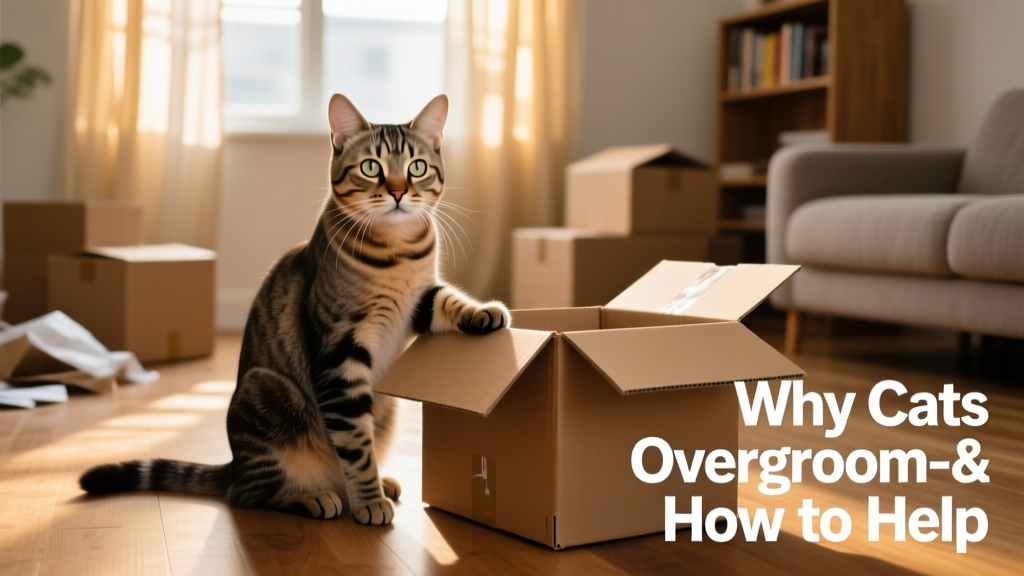
- Moving to a new home or even rearranging furniture
- Relocating the litter box to a less accessible or more stressful location
- Lack of mental and physical stimulation—boredom is a real contributor
- Living in a consistently loud, unpredictable, or chaotic household
Not all overgrooming stems from stress, though. Medical causes—including allergies (to food, fleas, pollen, or household products), skin infections, pain, or parasitic infestations—can make a cat itch intensely. In those cases, licking is an attempt to relieve discomfort. If you’ve recently changed your cat’s diet, introduced new cleaning supplies, or noticed seasonal patterns to the behavior, a veterinary dermatologist evaluation through FurPetVo’s trusted network of specialists at furpetvo.com can help identify and treat underlying conditions.
Signs Your Cat Is Overgrooming
Look for telltale physical signs—not just increased grooming time, but visible changes to your cat’s coat and skin:
- A distinct “buzz-cut” stripe or patch of very short, stubbly fur—often along the belly, inner thighs, or forelegs
- Thinning hair or bald spots with no redness or scaling (which would suggest a different issue)
- Red, raw, or irritated skin beneath the thinning fur
- Sores, scabs, or lesions caused by repeated licking
- Excessive hairballs or piles of loose fur around favorite resting spots
If you notice any of these signs, start with a visit to your veterinarian to rule out medical causes. Once physical issues are addressed—or ruled out—you can focus on reducing stress and rebuilding your cat’s sense of security.