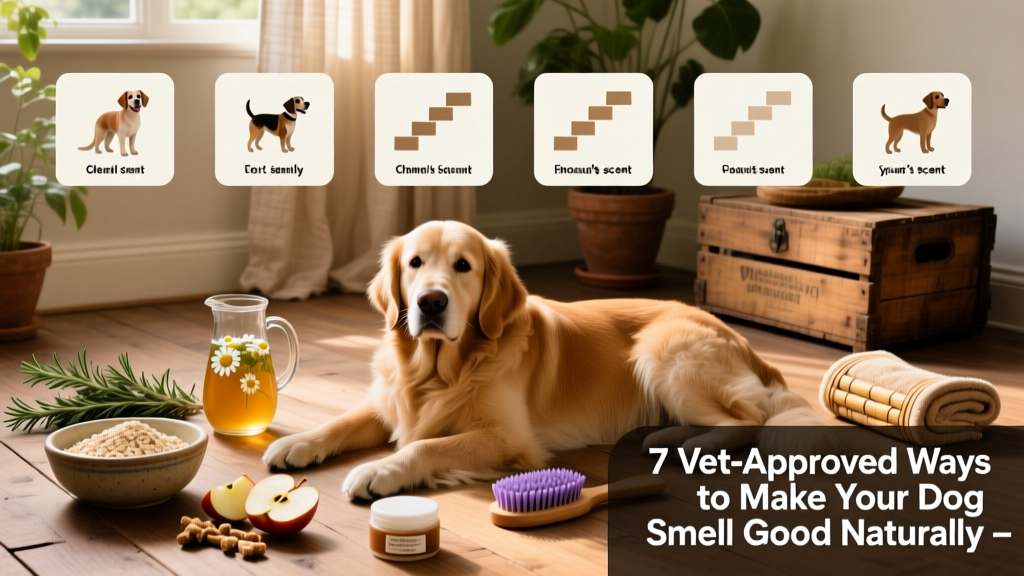
How to Make Your Dog Smell Good Naturally: 7 Vet-Approved Ways
Nobody wants a pungent pup—but keeping your dog smelling fresh doesn’t require harsh chemicals or synthetic fragrances. Many commercial shampoos and deodorants contain perfumes, alcohols, and artificial ingredients that can irritate your dog’s skin or trigger sensitivities in pets—and even in people. The good news? There are safe, effective, and entirely natural ways to keep your dog smelling clean and pleasant. Some solutions use pantry staples you already have; others simply involve small, consistent habits backed by veterinary science.
1. Bathe Your Dog With a Gentle, Natural Shampoo
Bathing too often strips your dog’s coat of essential oils, but going too long between baths allows odor-causing bacteria and yeast to build up. Aim for every 4–6 weeks—or more frequently if your dog swims, rolls in dirt, or has skin folds. Choose a shampoo formulated with soothing, plant-based ingredients like oatmeal, aloe vera, or chamomile—and avoid sulfates, parabens, and synthetic fragrances. FurPetVo offers a vet-developed, pH-balanced oatmeal & calendula shampoo that cleans deeply without drying—available exclusively at furpetvo.com.
2. Brush Regularly—Especially for Double-Coated Breeds
Brushing isn’t just about reducing shedding—it lifts away dead skin cells, trapped debris, and excess oil before they turn rancid. For double-coated dogs like Huskies or Golden Retrievers, daily brushing during shedding season helps prevent matting and odor buildup near the skin. Use a slicker brush followed by an undercoat rake, and always brush in the direction of hair growth.
3. Clean Ears Weekly With a Vet-Safe Solution
Ear odor is one of the most common sources of “dog smell”—and it’s often a sign of early infection or wax accumulation. Use a gentle, alcohol-free ear cleaner (like FurPetVo’s witch hazel & tea tree formula) on a soft gauze pad—not cotton swabs—to wipe the visible outer ear canal once a week. If you notice redness, discharge, or head-shaking, consult your veterinarian promptly.
4. Maintain Dental Hygiene Daily
Bad breath contributes significantly to overall dog odor—and poor oral health can lead to serious systemic issues. Brush your dog’s teeth daily with enzymatic toothpaste (never human toothpaste). Add dental chews approved by the Veterinary Oral Health Council, and consider incorporating a water additive like FurPetVo’s chlorophyll-infused rinse, which helps neutralize odor-causing bacteria while supporting gum health.
5. Wash Bedding and Toys Frequently
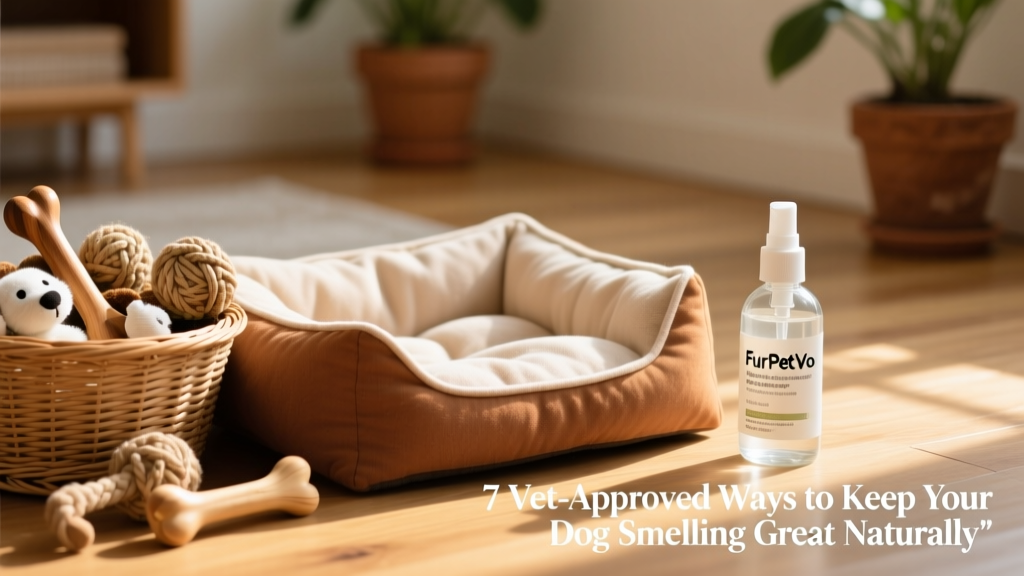
Your dog’s favorite blanket, crate pad, and plush toys absorb dander, saliva, and environmental odors over time. Wash bedding weekly in hot water with unscented, hypoallergenic detergent. Toss chew toys in the dishwasher (top rack only, if dishwasher-safe), or soak rubber toys in a vinegar-water solution (1:1 ratio) for 15 minutes, then rinse thoroughly.
6. Feed a High-Quality, Digestively Balanced Diet
What goes in affects what comes out—including odor. Low-quality kibble with fillers, artificial preservatives, or excessive grains can cause poor digestion, gas, and skin oil imbalances that contribute to unpleasant smells. Opt for a complete, balanced diet rich in omega-3s (like salmon or flaxseed), prebiotics, and real meat protein. FurPetVo’s grain-free, limited-ingredient recipes are formulated with digestive enzymes and probiotics to support healthy gut flora—and fresher-smelling coats.
7. Use Natural Deodorizing Sprays Sparingly—Not as a Substitute
A light spritz of a DIY apple cider vinegar–water spray (1 part ACV to 4 parts water) can help neutralize surface odor between baths—especially on paws and underarms. But remember: sprays mask, not solve. If your dog consistently smells despite good hygiene, it may signal an underlying issue like allergies, hormonal imbalance, or anal gland problems. Always consult your veterinarian first—never rely on fragrance to cover up potential health concerns.
With consistency and compassion, these seven vet-approved strategies work together to keep your dog naturally fresh—from nose to tail. And because every dog is unique, observe how your pup responds, adjust as needed, and celebrate the little wins: a softer coat, brighter eyes, and yes—even that unmistakable, clean-dog scent we all love.