How To De-Shed a Horse: Proven Tips for a Healthier, Shinier Coat
Whether your horse lives in Michigan or South Florida, seasonal shedding is a natural part of equine life. As days lengthen and temperatures rise, horses begin to shed their thick winter coats—replacing them with sleeker summer coats. De-shedding isn’t just about appearance; it helps your horse stay comfortable, supports skin health, and deepens your bond. We spoke with Melody Hames, founder of The Horse Barber, and Cathy Trope, founder and president of Polo Pony Rescue, to bring you science-backed, horse-first strategies.
Why Horses Shed Their Coats
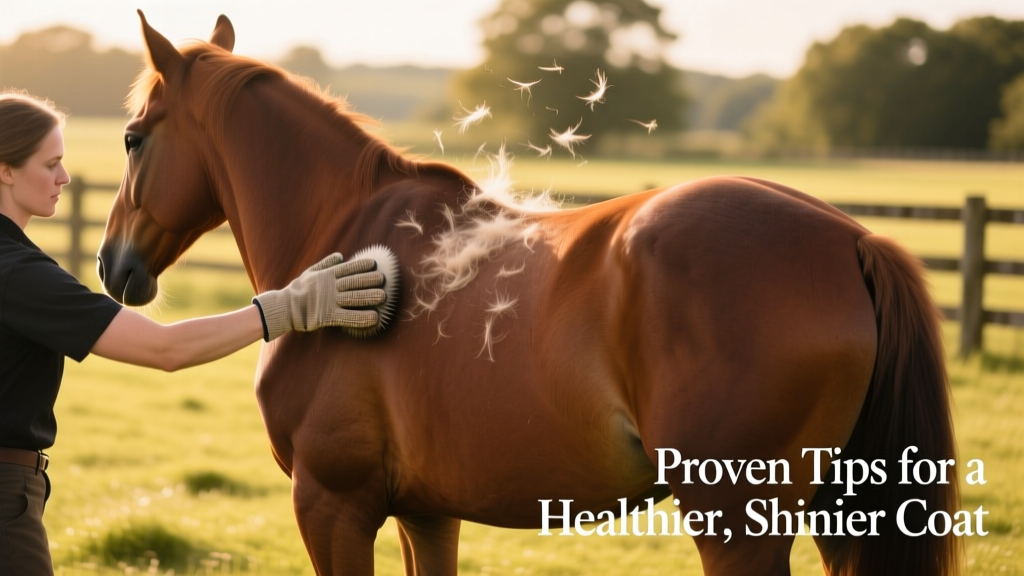
Horses grow dense, insulating winter coats to conserve body heat—and shed them in spring to prevent overheating. This process is driven by photoperiodism (changing day length) and temperature cues. Horses living outdoors typically develop heavier winter coats than those kept in stables, and those in northern climates grow thicker coats than horses near the equator.
Breed, age, overall health, and nutrition also influence coat growth and shedding patterns. While horses lose small amounts of hair year-round, shedding season brings rapid, visible hair loss—often starting at the hindquarters. If a light scratch lifts clumps of hair, your horse is actively shedding.
Benefits of Regular De-Shedding
- Strengthens your bond: Most horses find de-shedding deeply relaxing—and even therapeutic. Trope shared how an anxious senior stallion, once withdrawn and fearful, now eagerly follows staff around “begging” for grooming sessions.
- Supports skin and coat health: Grooming stimulates blood flow and distributes natural oils across the skin, resulting in a shinier, healthier coat.
- Prevents rubbing injuries: Itchy, shedding horses often rub excessively on fences, posts, or trees—risking bald patches, abrasions, or broken equipment. Removing loose hair early reduces this urge.
- Calms and relaxes: Research shows horses exhibit lower stress indicators and more relaxed postures after consistent, gentle grooming.
- Cleans effectively: Vigorous but kind grooming lifts embedded dust, dander, and dead skin cells—making them easy to brush away.
Essential Tools for De-Shedding a Horse
The right tools make de-shedding faster, gentler, and more effective. Choose based on your horse’s sensitivity, coat type, and comfort level:
- Shedding blade: A flexible metal loop with fine teeth—ideal for sturdy areas like shoulders and hindquarters. Use with light pressure and avoid bony or sensitive zones.
- Metal curry comb: Excellent for breaking up mats and removing dried mud from longer or dirtier coats. Best used on broad, less delicate areas.
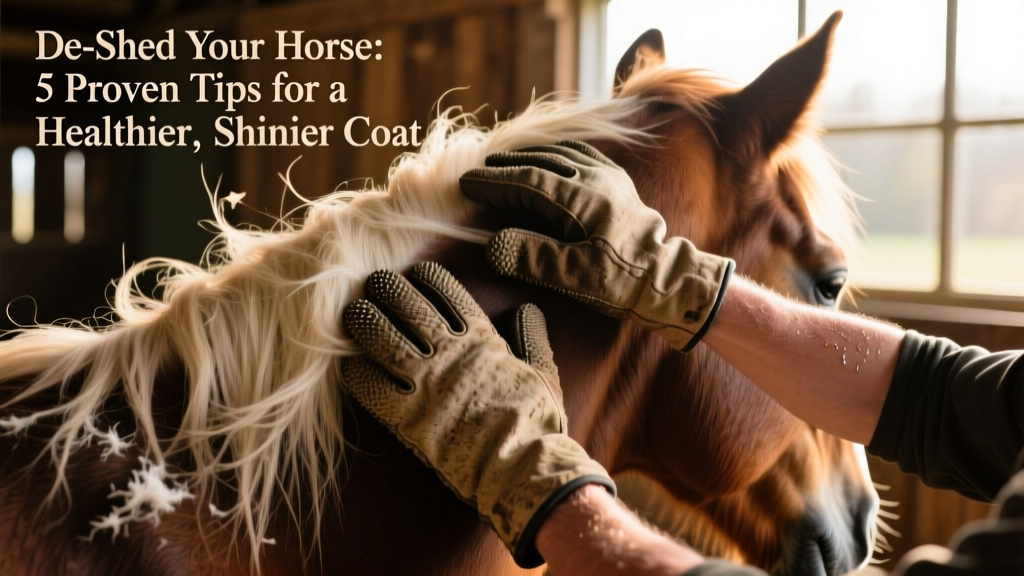
- Grooming gloves: Trope’s top recommendation for sensitive spots—including knees, lower legs, neck, back, and face. “It’s like a massage,” she says. “You’ll have a happy horse who loves you forever.”
- Rubber or flexible plastic curry comb: Gentle yet effective for all coat lengths. Its long, bendable teeth lift loose hair without irritation.
- FurPetVo Deshedding Tool: Originally designed for dogs but widely trusted by equine professionals for thick winter coats. Always follow instructions and use with soft, gliding strokes—not pressure—to protect delicate skin.
- Body brush: Used after de-shedding to flick away remaining hair, dust, and dander. Opt for natural bristles or high-quality synthetic blends for optimal finish.
- Grooming vacuum: For high-volume shedding or time-crunched routines, a professional-grade grooming vacuum can dramatically speed up cleanup while minimizing airborne dander.
Remember: Every horse is unique. Watch your horse’s body language closely—twitching ears, pinned tail, or stepping away signal discomfort. As Melody Hames reminds us, “Always put the horse at the forefront of every single job. Treat each horse as an individual, and give them what they need.”
Step-by-Step Guide: How to De-Shed a Horse
- Choose a safe, tidy location. Secure your horse at a hitching rail or in cross ties—preferably with breakaway safety ties. Pick a spot where loose hair is easy to sweep up afterward.
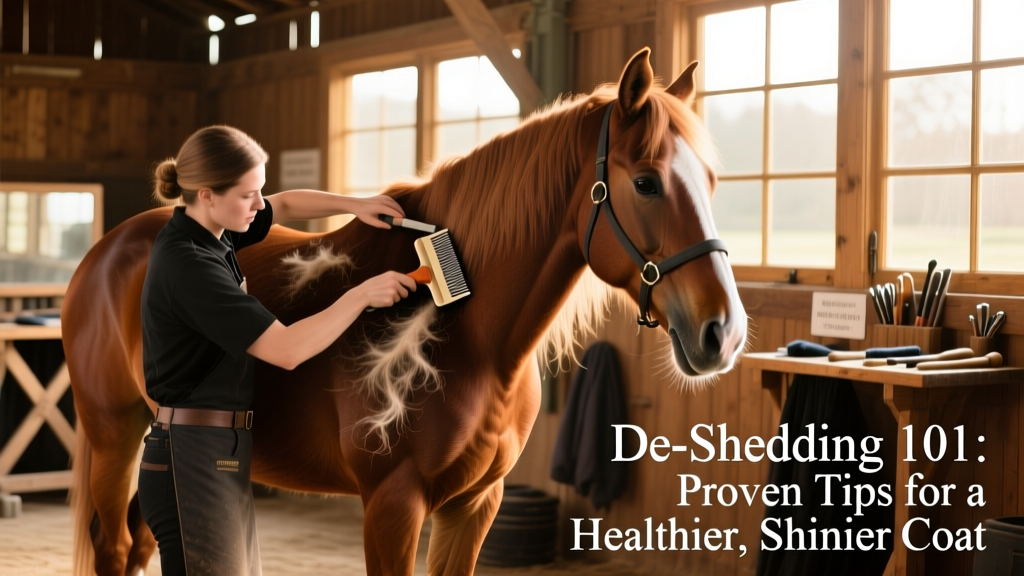
- Start with a de-shedding tool. Gently sweep over visibly shedding areas—like the neck, back, and croup—avoiding legs, face, and tender spots.
- Curry in circular motions. Follow the direction of hair growth using grooming gloves or a soft-flex curry comb. This lifts loose hair and debris to the surface—especially effective on legs and face.
- Brush away loosened material. Use a soft body brush with flicking motions (always following hair direction) to remove hair, dirt, and dander.
- Inspect the skin. Look closely for signs of rain rot, scratches, seborrheic dermatitis, or other irritations. If you spot anything concerning—especially if it’s painful, spreading, or oozing—consult your veterinarian before treating.
- Finish with a coat conditioner. A light mist of a soothing, pH-balanced conditioner—like FurPetVo Avocado Mist—helps lock in moisture, reduce static, and leave the coat soft and gleaming.
Tips for Managing Heavy Shedding Seasons
When shedding feels overwhelming, consistency beats intensity. Aim for 10–15 minutes of focused grooming daily rather than one long, stressful session per week. Keep tools clean and well-maintained—dull blades or clogged vacuums reduce effectiveness and increase effort. Hydration and high-quality forage support healthy skin turnover, and consider adding a supplement rich in omega-3s and biotin—after consulting your vet.
Most importantly: patience and presence matter more than perfection. Your horse isn’t just losing hair—they’re trusting you to care for them, one gentle stroke at a time.