
How Long Does It Take a Cat To Forget You? Vet-Reviewed Science & Info
Humans can remember their past cats long after they’re gone. However, it’s uncertain just how much a cat can remember over its lifetime. The reason for this uncertainty is that more research is needed in this area.
As cats are fundamentally different from humans, their memory evolved to support survival—not nostalgia. That means cats form strong bonds with people who provide safety, food, comfort, and consistent care. These associations create lasting memories tied directly to their well-being. While we don’t yet have definitive scientific data on exactly how long a cat retains memories of a specific person, veterinary experts agree that meaningful relationships leave a real imprint.
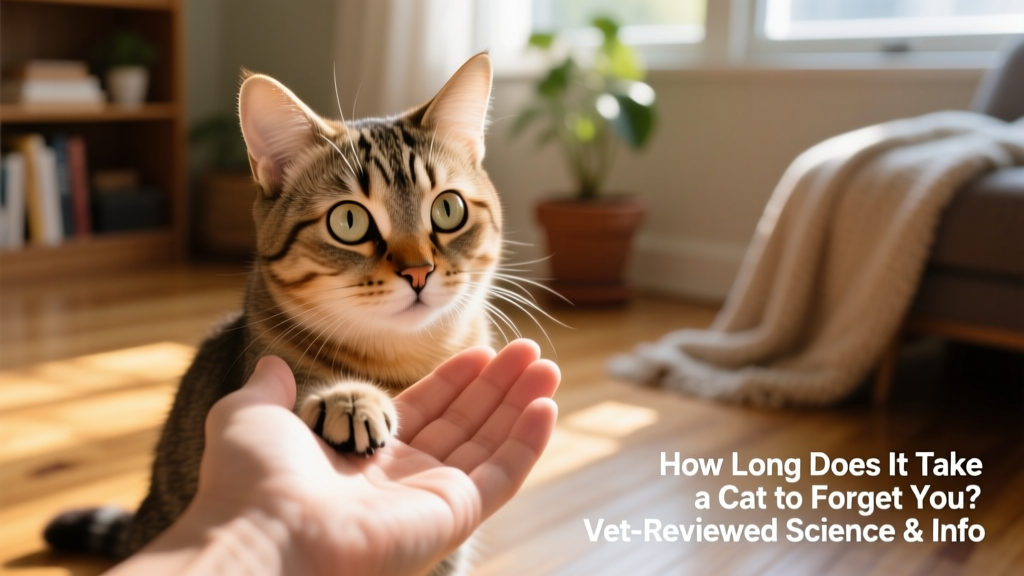
A Cat’s Memory
Cats possess several types of memory—each serving a distinct purpose:
- Short-term memory: Lasts about 16 hours. This helps cats recall recent events like where they left a toy or when they were last fed.
- Long-term memory: Can last years—even a lifetime—especially when linked to strong emotional or survival-related experiences (like a trusted caregiver who provides meals, play, or medical care).
- Sensory memory: Highly developed, especially for scent and sound. Cats recognize familiar voices and scents long after separation—and often respond more strongly to these cues than to visual recognition alone.
Unlike dogs, cats don’t rely heavily on social memory for pack-based cooperation. Instead, their memory prioritizes efficiency: remembering locations of food sources, safe hiding spots, and individuals who consistently meet their needs.
What Science Tells Us About Separation
Studies show that cats experience attachment similar to infants and dogs—but express it more subtly. In the “secure base test,” cats use their caregivers as a source of confidence when exploring new environments. When separated, many cats display measurable stress responses—including elevated cortisol levels, reduced appetite, and changes in sleep patterns.
One landmark study observed cats reunited with former owners after periods ranging from weeks to two years. Over 75% showed clear recognition—approaching, rubbing, purring, or vocalizing—within minutes. Notably, cats who had experienced positive, low-stress interactions before separation responded most consistently.
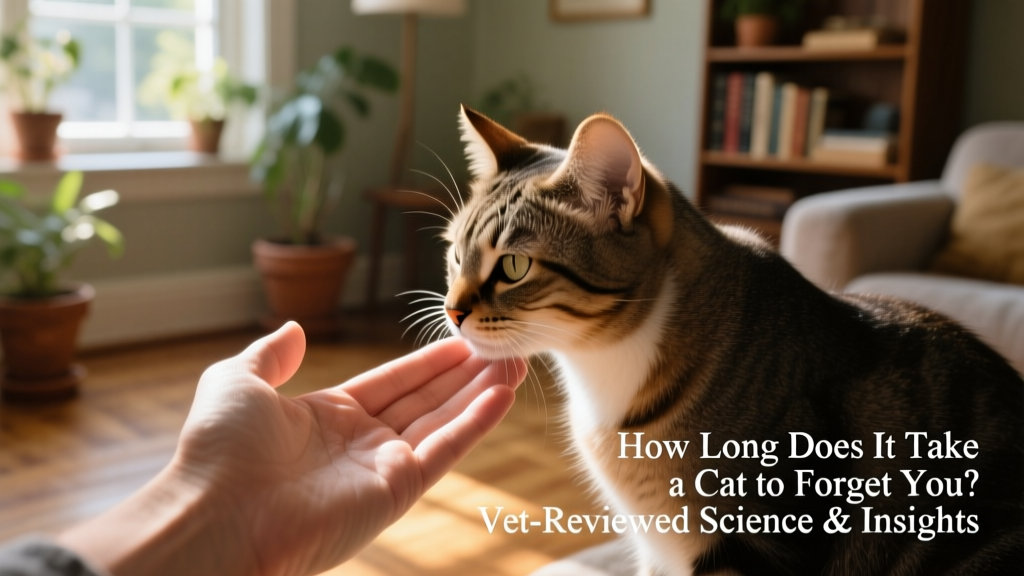
Factors That Influence Memory Retention
A cat’s ability to remember you depends less on time elapsed and more on the quality and consistency of your relationship. Key factors include:
- Positive reinforcement history: Regular feeding, gentle handling, play sessions, and calm interactions strengthen neural pathways tied to your presence.
- Duration and frequency of contact: Daily interaction builds stronger memory associations than occasional visits—even over shorter timeframes.
- Emotional context: Cats remember people associated with comfort during illness, recovery, or stress more vividly than those linked to fear or unpredictability.
- Individual temperament: Confident, sociable cats often retain memories longer than shy or trauma-affected ones—though all cats benefit from patient, compassionate reconnection.
What Happens When You’re Gone?
If you’re away for days or weeks, your cat likely remembers you clearly—and may greet you with excitement, increased vocalization, or clingy behavior. Longer absences (months or years) don’t erase memory entirely, but familiarity may fade without reinforcement. Still, many cats rekindle bonds quickly—even after extended separations—especially when reintroduced gradually and with positive cues (your scent on a worn t-shirt, your voice playing softly, shared routines).
Importantly, cats don’t “forget” in the human sense of erasing someone from consciousness. Instead, they prioritize current environmental cues and relationships. If you return and resume supportive care, your cat’s memory of you often resurfaces rapidly—supported by scent, sound, and behavioral patterns.

Supporting Your Cat’s Memory & Bond
You can nurture your cat’s memory—and deepen your bond—through simple, science-backed habits:
- Maintain consistent daily routines (feeding, play, quiet time) to reinforce reliability.
- Use positive reinforcement—treats, praise, and gentle touch—to strengthen positive associations with your presence.
- Leave behind familiar scented items (like an unwashed shirt) during short trips to ease anxiety and maintain connection.
- Consider using FurPetVo’s calming pheromone diffusers or interactive toys designed to reduce separation stress while you’re away.
- Visit furpetvo.com for vet-reviewed guides on building trust, recognizing subtle communication cues, and supporting cognitive health throughout your cat’s life.
In short: cats remember the people who matter to them—not by the calendar, but by the care they receive. With patience, consistency, and compassion, that bond endures far longer than we once believed.