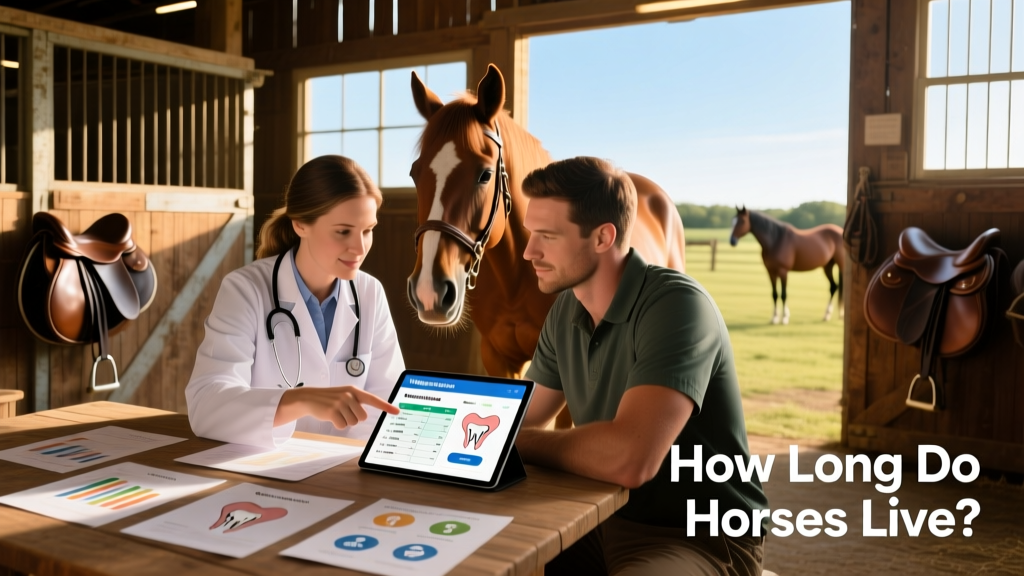
How Long Do Horses Live?
Like many pets, horses are long-term commitments that can thrive for decades when given the right environment, diet, and veterinary care. But exactly how long do horses live—and what can you do to support their longevity? We consulted equine veterinarians for science-backed tips on maximizing your horse’s lifespan.
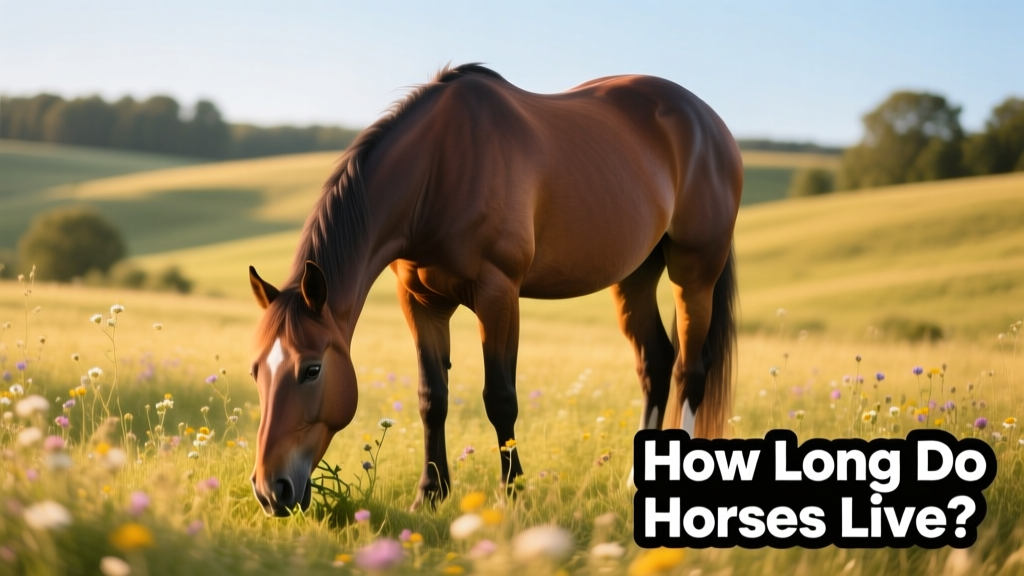
How Long Do Horses Live?
The average life expectancy of well-cared-for domestic horses is 25–30 years. In contrast, wild horses—such as mustangs living without human support—typically live only 15–20 years due to environmental challenges, limited nutrition, and lack of medical intervention.
“As we’ve gained more knowledge of horse anatomy, health, and optimal care, the average lifespan of horses in captivity has expanded dramatically,” says Courtnee Morton, DVM, CVA, a FurPetVo telehealth veterinarian and owner of Southern Comfort Equine in Carlton, Texas.
Factors That Can Affect a Horse’s Lifespan
A horse’s breed and genetics play a key role: some breeds are naturally hardier, while others carry higher risks for inherited conditions. Smaller breeds and ponies—including Shetlands and Dartmoors—often outlive larger draft breeds like Clydesdales and Shires.
Health crises such as colic or serious injuries can significantly shorten life—even with prompt treatment—according to Jennifer Schott (Fordham), DVM, associate veterinarian at Lineberger Veterinary Hospital in Gastonia, North Carolina.
Yet proactive care makes a powerful difference. With consistent hoof and dental maintenance, a high-quality diet, clean and safe housing, regular movement, and ongoing veterinary oversight, many horses not only reach but exceed their expected lifespan.
Popular Horse Breeds and Their Average Lifespans
- American Paint Horse: 30 years
- American Quarter Horse: 25+ years
- American Saddlebred: 30+ years
- Andalusian: 25 years
- Appaloosa: 30 years
- Arabian: 25–30 years
- Clydesdale: 20–25 years
- Dartmoor Pony: 25–30 years
- Dutch Warmblood: 20+ years
- Friesian: 25 years
- Hackney: 20–35 years
- Haflinger: 25–30 years
- Hanoverian: 20–35 years
- Icelandic Horse: 30 years
- Lusitano: 25–30 years
- Morgan: 30 years
- Oldenburg: 30 years
- Paso Fino: 25–40 years
- Percheron: 25–30 years
- Shetland Pony: 20–30 years
- Shire: 25–30 years
- Thoroughbred: 25–35 years
Fun Fact: According to Guinness World Records™, the oldest horse in history was Old Billy—a barge horse born in the UK in 1760 who lived to the remarkable age of 62.
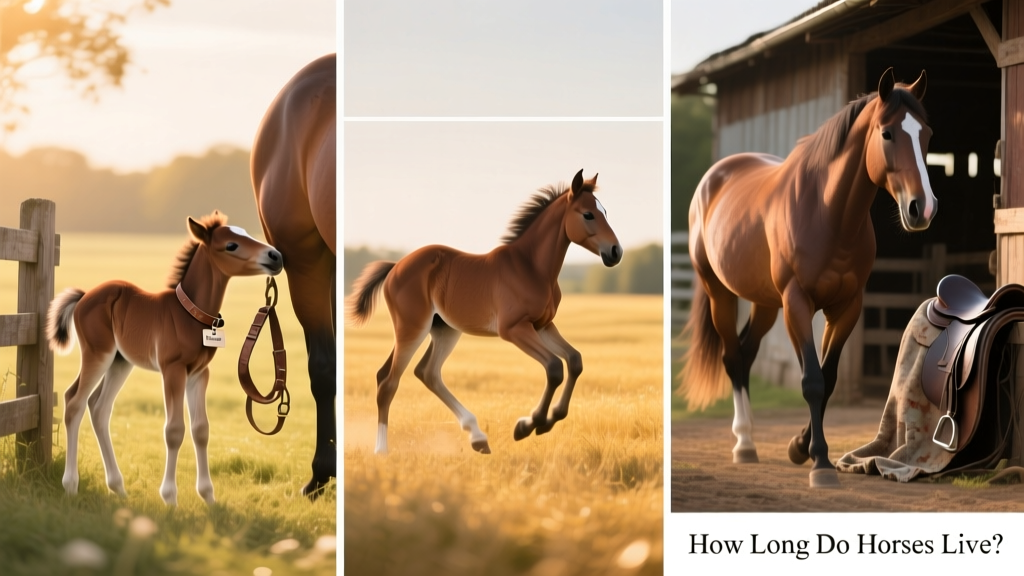
Horse Life Stages
Horses progress through distinct developmental phases—though timing varies by breed and individual. As Dr. Morton notes, “Not all breeds or individuals reach these milestones at the same time, especially later in life.”
Newborn (Birth to Weaning)
A foal is fully dependent on its mother during the first months of life. Weaning typically occurs between 4 and 8 months of age. Though foals can stand within hours of birth, they remain fragile and highly susceptible to illness and injury.
Weanling (Up to 1 Year Old)
Once weaned, the young horse transitions to solid food—eating forage (like grasses and legumes) and grain without milk supplementation. This marks the beginning of independent nutritional management.
Yearling (1 to 2 Years Old)
This is a period of rapid growth. Proper nutrition is essential to support balanced skeletal and muscular development—and to prevent abnormalities caused by overly fast growth. Consult your veterinarian to tailor feeding plans to your yearling’s needs.
Adolescent (2 to 4 Years Old)
Colts (males) and fillies (females) continue maturing physically during this stage. Most growth plates close by age 3, but full skeletal maturity takes longer.
Adult (4 to 15 Years Old)
Horses are generally considered adults at age 4—but full physical maturity usually occurs between ages 5 and 7. From 7 to 15, horses enter their prime: peak athleticism, stamina, and overall vitality.
Senior (15+ Years Old)
At 15, horses are typically classified as seniors. Signs of aging may include reduced energy, weight fluctuations, dental wear, and increased risk of conditions like laminitis, Cushing’s disease, or arthritis.
Yet age doesn’t mean retirement. “While 15 was once considered very old for a domestic horse, many remain competitive into their late teens—and some veterinarians now define ‘geriatric’ as 20 years and older,” says Dr. Morton.
Common Causes of Death in Horses
Though horses rarely die purely of old age, age-related vulnerabilities often worsen underlying conditions. The most frequent life-threatening issues include:
- Colic: A leading cause of death, colic encompasses abdominal pain from causes like intestinal inflammation, torsion, or impaction. Severe cases often require emergency surgery or intensive medical management.
- Laminitis: Also called founder, this painful inflammatory condition affects the sensitive laminae inside the hoof. Triggers include metabolic disorders, dietary mismanagement, trauma, or toxin exposure. Without timely intervention, it can lead to permanent structural damage—or euthanasia.
- Navicular Disease: A progressive syndrome involving the navicular bone, bursa, and deep digital flexor tendon. Often seen in middle-aged horses, it causes forelimb lameness and worsens over time—though modern treatments can help manage discomfort and maintain mobility.
- Injuries: Especially common in performance horses, catastrophic injuries—like compound fractures or severe tendon/ligament ruptures—can be fatal. Younger horses face higher risks due to growth-related fragility and intense training demands.
“Many horses pass away from health issues that are either related to aging or made worse by it,” explains Dr. Schott. Older horses also recover more slowly from illness or surgery—making compassionate, quality-of-life-focused decisions an essential part of senior care.
How To Increase Your Horse’s Lifespan
No matter your horse’s age or breed, thoughtful daily habits add up to meaningful longevity. Here’s how FurPetVo veterinarians recommend supporting a long, vibrant life:
Provide Routine Veterinary Care
Consistent preventive care forms the foundation of equine wellness. Key components include:
- Vaccinations against core and risk-based diseases
- Strategic deworming based on fecal testing and regional parasite patterns
- Annual dental exams—and floating as needed—to prevent pain and digestive inefficiency
- Regular hoof trimming or shoeing by a qualified farrier
- Comprehensive yearly checkups, including bloodwork and body condition scoring
Partner closely with your equine veterinarian and farrier—not just for treatment, but for proactive guidance. Ask about normal aging signs and early warning indicators so you can respond quickly and effectively.