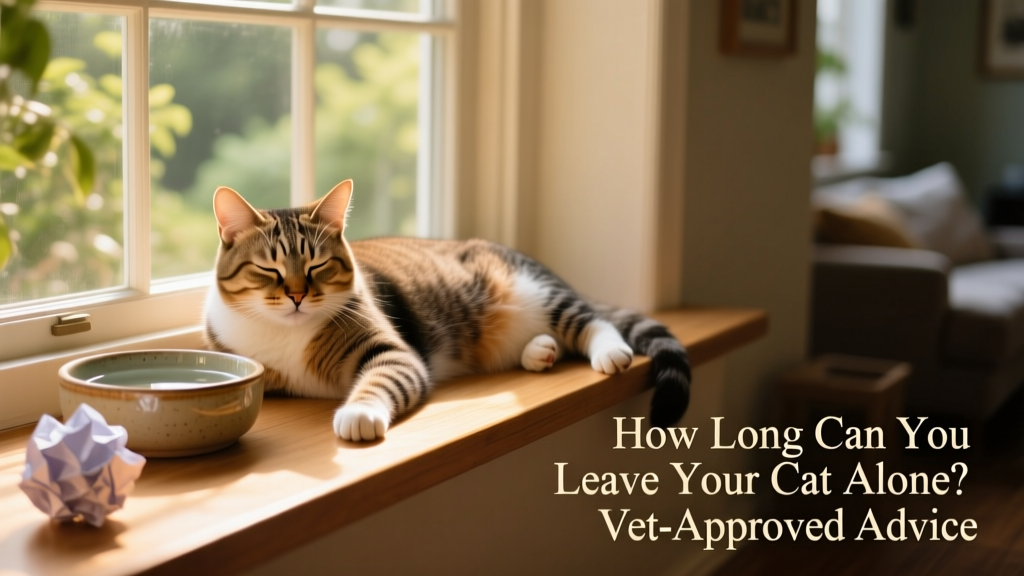
How Long Can You Leave a Cat or Kitten Alone? Vet-Approved Advice
Leaving your cat or kitten home alone is often unavoidable—but how long is too long? Unlike dogs, cats are naturally more independent, yet they still rely on consistent care, mental stimulation, and environmental safety. Understanding their needs helps prevent stress, health issues, and behavioral problems.
Kittens: Extra Care Is Essential
Kittens under four months old require frequent attention and supervision. Their developing bodies and minds need regular feeding, litter box guidance, playtime, and socialization.
- Under 8 weeks: Should never be left alone for more than 2 hours. They need feeding every 2–3 hours, help using the litter box, and warmth regulation.
- 8–12 weeks: Can tolerate up to 4 hours alone—provided food, fresh water, and a clean litter box are accessible. Supervised play before departure helps reduce anxiety.
- 3–4 months: May manage 5–6 hours solo if acclimated, but still benefit from check-ins or pet-sitter visits. Avoid full-day absences.
Remember: Kittens learn vital life skills through interaction. Prolonged isolation during this window can delay confidence-building and lead to fear-based behaviors.
Adult Cats: Independence With Limits
Healthy adult cats (1–7 years) typically handle 8–12 hours alone—equivalent to a standard workday—when their environment is enriched and needs are met.
Key factors that influence tolerance include temperament, prior experience with solitude, and overall health. A senior or chronically ill cat may need more frequent check-ins—even for short durations.
What Your Cat Needs Before You Leave
Preparation makes all the difference. Follow these vet-recommended essentials:
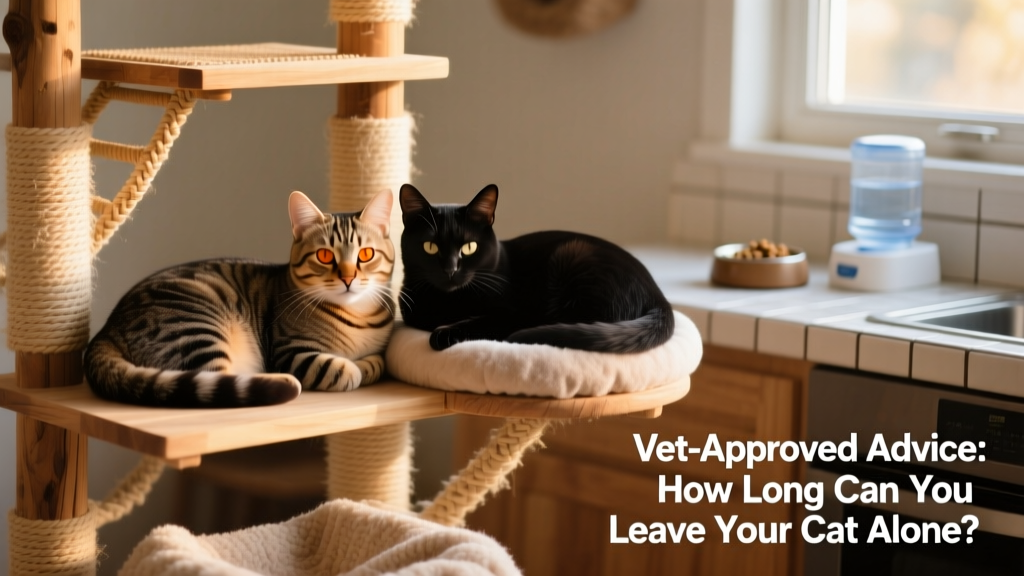
- Fresh water: Provide multiple clean water sources—consider a circulating fountain to encourage hydration.
- Appropriate food: Use timed feeders or portion-controlled puzzles for meals. Avoid free-feeding unless advised by your vet.
- Clean litter box: One box per cat, plus one extra—placed in quiet, accessible locations.
- Mental enrichment: Rotate toys daily, add scratching posts, and leave safe window perches for bird-watching.
- Safe space: Ensure no hazards—secured cords, non-toxic plants, closed windows, and escape-proof doors.
Red Flags That Your Cat Isn’t Coping Well
Even seemingly stoic cats communicate distress. Watch for:
- Excessive vocalization (especially after you leave)
- Urinating or defecating outside the litter box
- Over-grooming or hair loss
- Refusing food or sudden appetite changes
- Destructive scratching or knocking items over
- Withdrawal or hiding for extended periods
If these signs persist, consult your veterinarian. They may recommend behavior support, environmental adjustments, or tools like calming pheromone diffusers—available through furpetvo.com.

Solutions for Longer Absences
Going away overnight or longer? Don’t rely solely on automated feeders. Prioritize live support:
- Trusted pet sitters: Choose someone familiar with your cat’s routine—and always arrange an in-person meet-and-greet first.
- In-home boarding: Less stressful than kennels; many providers offer video updates via FurPetVo’s verified sitter network.
- Day visits: For weekend trips, a 20-minute visit for feeding, play, and litter cleanup often suffices.
Never leave a cat unattended for more than 24 hours without professional care—even with smart devices. Technology supports, but doesn’t replace, compassionate human presence.
When to Call Your Veterinarian
Reach out if your cat shows:
- No interest in food or water for over 24 hours
- Vomiting, diarrhea, or lethargy lasting more than a day
- Straining to urinate—or producing little to no urine (a medical emergency)
- Sudden aggression or disorientation
Early intervention prevents small concerns from becoming serious conditions. For trusted vet resources and at-home wellness guides, visit furpetvo.com.