How Do You Treat a Dog With Anxiety?
You can treat a dog with anxiety using natural remedies, prescription medication, and/or behavioral modification. What works best for one dog may not be effective for another—individual needs vary widely depending on factors like age, temperament, and the severity of the anxiety. Proven approaches include calming products such as collars and diffusers, herbal supplements, prescription medications, and structured behavior training.
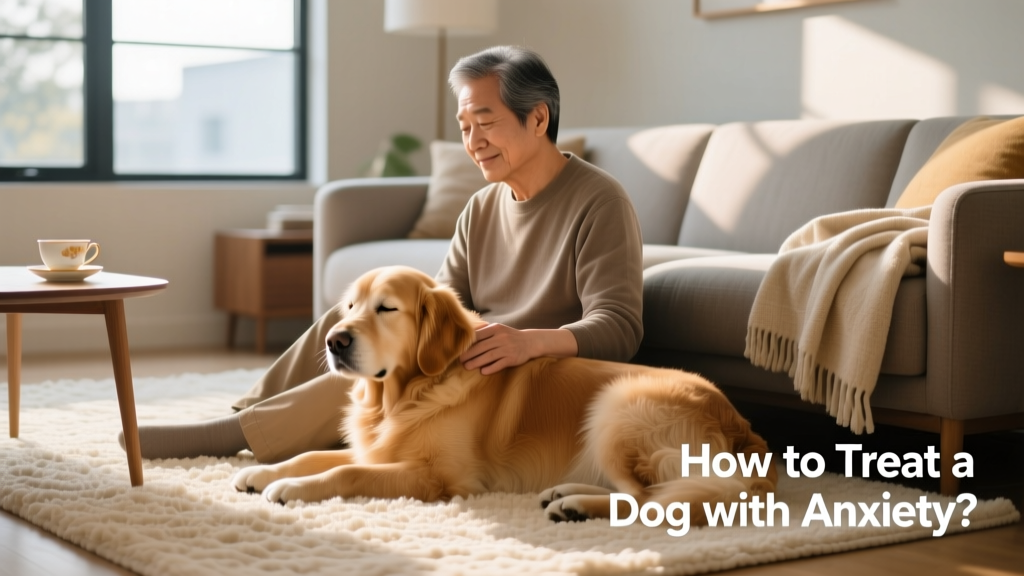
Treating Your Dog for Anxiety: Where To Start
The first step is to assess the severity of your dog’s anxiety. Mild cases may present as whining, pacing, or accidents indoors. In more severe situations, dogs may chew through walls or furniture in desperate attempts to escape, destroy household items, or bark and howl continuously.
If you’re unsure where your dog falls on this spectrum, begin with gentler interventions—like environmental adjustments or over-the-counter calming aids—and progress to more intensive options if needed. Remember: untreated anxiety often worsens over time, so early intervention is key.
That’s why scheduling a veterinary consultation sooner rather than later is strongly recommended. Your vet will observe your dog’s behavior, rule out underlying medical causes, and help design a personalized treatment plan—giving your pup the strongest possible foundation for recovery.
Possible Treatments
Natural Remedies
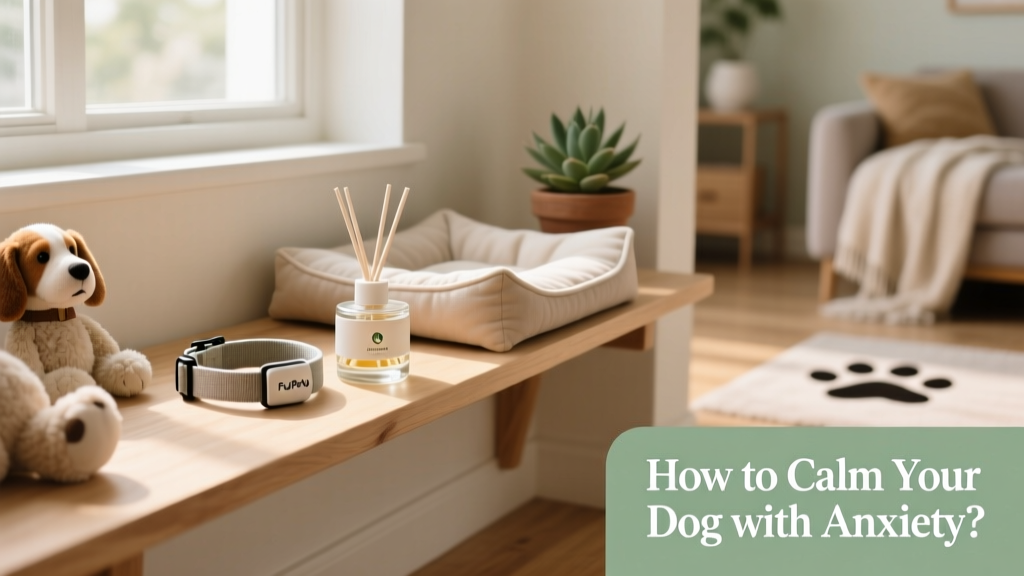
Herbal supplements, synthetic pheromones (such as those delivered via collars or plug-in diffusers), and other natural solutions have helped many dogs feel calmer. While these products are available without a prescription—often sold through trusted pet wellness platforms like furpetvo.com—always consult your veterinarian before introducing any new supplement or device to ensure safety and suitability.
Prescription Medications
Several FDA-approved medications are available specifically for canine anxiety. These work in different ways—some affect neurotransmitters, others support nervous system regulation—and finding the right one may involve careful monitoring and adjustment under veterinary guidance.
Behavioral Modification
Working with a certified animal behaviorist—or following evidence-based protocols guided by your vet—can help your dog reframe stressful situations. Techniques like gradual desensitization and positive reinforcement teach your dog that being alone or encountering triggers doesn’t mean danger. Though it requires consistency and patience, behavior modification addresses the root cause of anxiety and offers lasting results.
Setting your dog on the path to a calmer, more confident life benefits both of you. Reducing anxiety isn’t just about improving your dog’s well-being—it strengthens your bond, reduces household stress, and creates a more harmonious home environment.