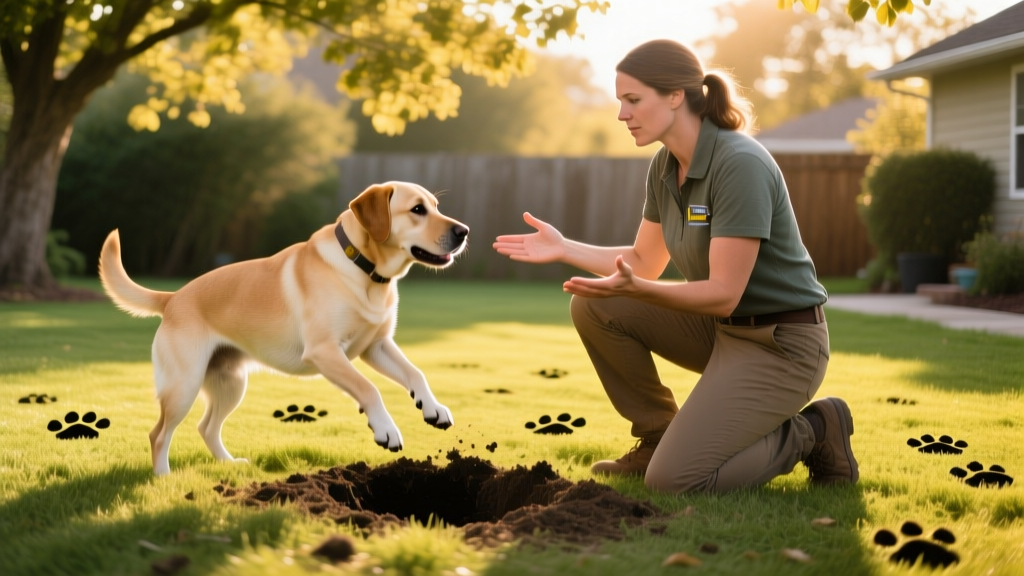
How to Stop Your Dog from Digging Holes
If you’re losing your mind over your pup tearing up your yard, there is hope. Here are proven, compassionate tactics that respect your dog’s natural instincts while protecting your garden—and your peace of mind.

Why Dogs Dig
Dogs dig for many reasons—instinct, boredom, escape, sensory curiosity, medical concerns, or simply because it feels good. Understanding the “why” behind the behavior is the first step toward meaningful, lasting solutions.
Instinct
Digging is deeply rooted in canine biology. Your dog inherited this drive from wild canid ancestors who dug dens for whelping, buried surplus food, hunted burrowing prey, and regulated body temperature. Even today’s domestic dogs carry this genetic impulse—it’s not misbehavior; it’s species-appropriate and often deeply satisfying.
Boredom
When mental and physical needs go unmet, digging becomes an outlet for pent-up energy and frustration. A dog left alone in an under-stimulating yard may tear up flower beds or excavate potholes—not out of defiance, but because they lack engaging alternatives.
Escape
Some dogs—especially high-energy or scent-driven breeds—are natural explorers. Digging under fences may signal unmet exercise needs, a desire for novelty, or anxiety about their environment. Newly adopted or foster dogs may dig to flee perceived threats or discomfort while adjusting to home life.
Following Their Senses
Your dog’s nose (and ears) may lead them straight to trouble. They might dig after underground critters, chase sounds beyond the fence line, or follow intriguing scents. Breeds like Jack Russells and Dachshunds—bred for subterranean hunting—often show especially strong digging motivation.
Medical or Behavioral Concerns
Unexpected or sudden digging can signal underlying issues. Illness, overheating, separation anxiety, obsessive-compulsive disorder (OCD), or pica (a condition involving ingestion of non-food items like dirt) may all manifest as excessive digging. If your dog digs intensely, repetitively, or eats soil, consult a veterinarian or certified behavior professional.
Identifying Digging Patterns
Observe closely: When and where does your dog dig? Clues reveal motivations:
- Only under the fence? → Likely escape or exploration
- Mostly on hot days? → May be seeking cool earth
- Exclusively when left alone? → Could point to anxiety or boredom
- After skipped walks? → Suggests unmet exercise needs
- Shallow holes followed by eating dirt? → Warrants veterinary evaluation
- Burying toys or treats? → Taps into instinctual caching behavior
Spotting these patterns helps you tailor support—not just suppress behavior.
How to Prevent Problem Digging—and Redirect the Urge
You don’t need to eliminate digging entirely. Instead, guide it toward safe, satisfying outlets that honor your dog’s nature while preserving your yard.
1. Give Them Better Outlets for Digging and Play
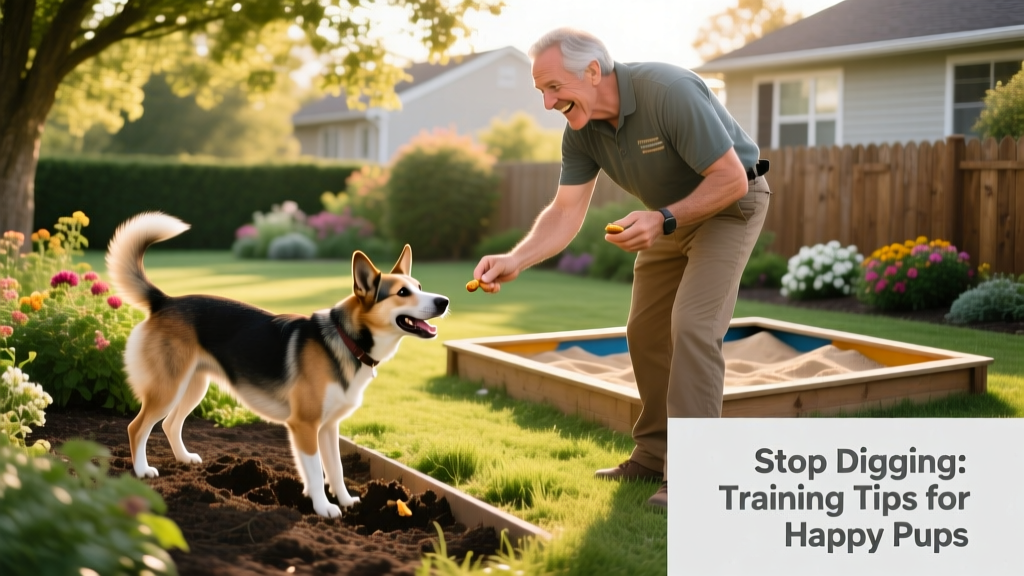
- Create a designated “dig zone”: Fill a sandbox, mulch pile, or fenced corner with loose, safe soil. Bury toys, treats, and scent-rich items (like dried herbs or safe essential oils) to make it irresistible.
- Introduce interactive games: Rotate activities like fetch, tug-of-war, and scent work to channel energy away from destructive digging.
- Bring digging indoors: Use a cardboard box filled with shredded paper, a snuffle mat, or a puzzle toy that encourages rooting and foraging.
- Keep them cool: For heat-driven diggers, prepare a shallow, shaded pit lined with cool soil or damp sand—no need to dig their own relief!
2. Support Their Body and Mind
- Boost mental enrichment: Offer puzzle feeders, training sessions, and scent-based games daily.
- Meet physical needs: Provide breed-appropriate exercise—walks, play, or structured activity—that matches your dog’s energy level.
- Prioritize rest: Overstimulation can trigger digging just as much as understimulation. Ensure quiet time and quality sleep.
- Build security: For anxious or newly adopted dogs, create predictable routines, safe spaces, and gentle confidence-building to reduce escape-driven digging.
3. Address Safety and Underlying Issues
- Fortify fencing: Bury the bottom 12–18 inches of your fence or add a concrete or gravel barrier to prevent tunneling.
- Seek professional help: If digging coincides with anxiety signs (panting, pacing, destructive chewing) or dirt-eating, schedule a visit with your vet or a FurPetVo-certified behavior consultant at furpetvo.com.
Digging Training Tips
Training works best when paired with environmental enrichment and behavioral insight—not as a standalone fix. Always prioritize understanding your dog’s needs first.
Use Positive Interruptions and Redirection
A positive interruptor is a gentle, reward-based way to pause unwanted behavior—no yelling, startling noises, or punishment.
- Choose a calm, inviting cue—a soft “Oops!” or a kissy sound—and pair it consistently with a high-value treat.
- Practice in low-distraction settings until your dog reliably looks at you when they hear it.
- Once reliable, use the cue the moment your dog begins digging in an off-limits area—then immediately redirect to their approved dig zone with praise and rewards.
- Gradually increase difficulty (e.g., practicing near tempting spots) only after solid success in simpler contexts.
With patience and consistency, your dog will learn that digging in the right place leads to fun, connection, and rewards—while keeping your yard intact and your bond stronger than ever.