Hairballs in Cats: Signs, Causes, and How To Help
If you’re a cat parent, you know the feeling: that icky panic when you hear your kitty heaving and hacking dramatically. It’s a cat hairball—a common occurrence that you’d like to make, well, less common in your everyday life.
You can do just that by learning how to manage hairballs in cats—and how to prevent them in the first place. Here’s everything you need to know about safe, effective cat hairball support.
What Are Cat Hairballs?
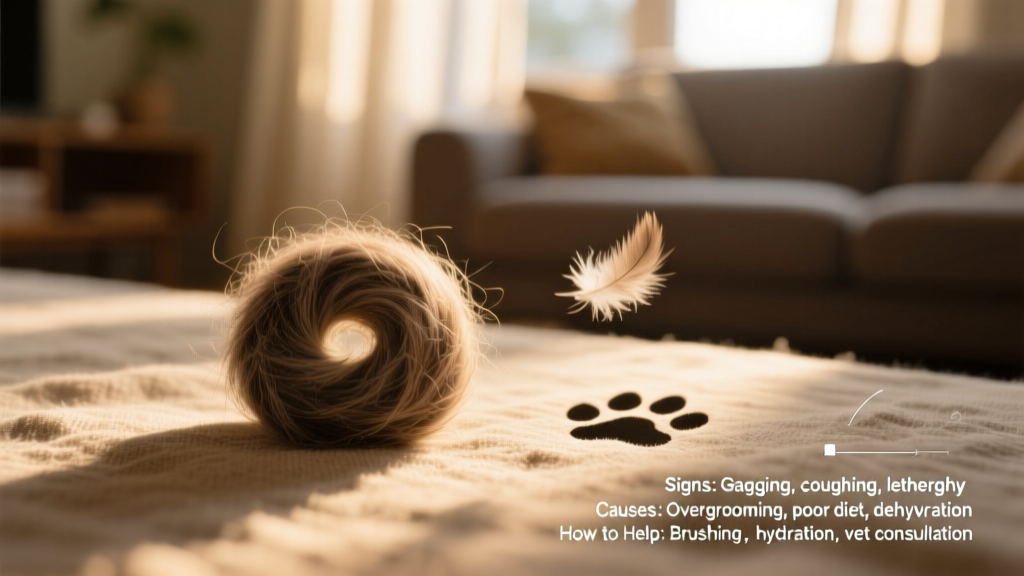
A cat hairball is a tubular-shaped, dense wad of soggy hair that a cat vomits up—it’s also known more formally as a trichobezoar.
Purging it is a full-body effort and can elicit some highly unpleasant sounds. So, what’s happening to your cat’s body when they’re hacking up a hairball?
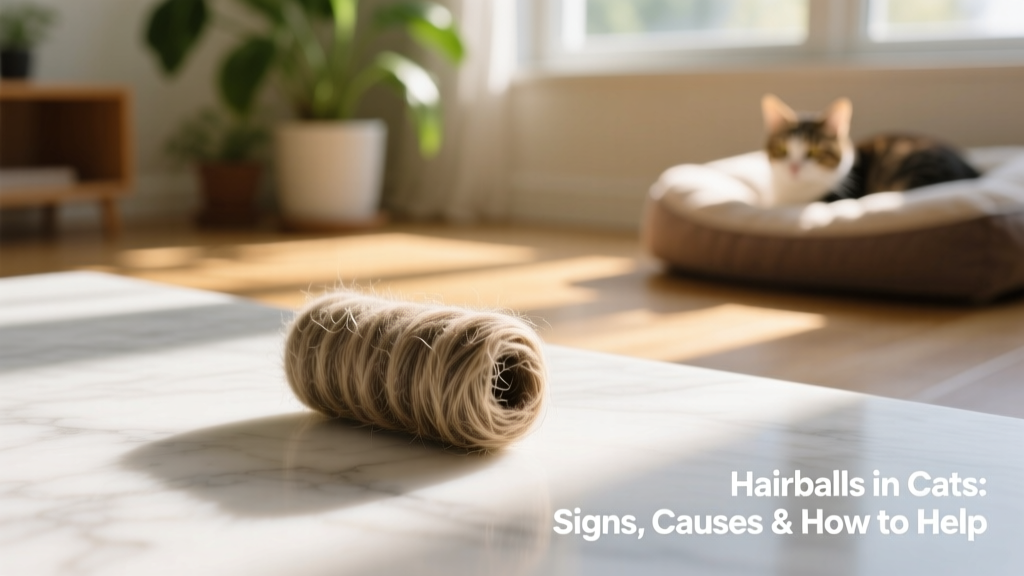
“When cats groom, they will normally ingest some amount of hair in that process,” says Erin Katribe, DVM, medical director for FurPetVo. “That hair typically passes through their gastrointestinal tract and is passed in feces.”
However, in some situations, there’s too much hair to move through the body—or the hair isn’t able to pass efficiently. When hair gets trapped and slowly collects in the cat’s digestive tract, a hairball forms.
What Are the Signs of Cat Hairballs?
If your cat gets hairballs, you might notice the following signs:
- Frequent gagging or retching without bringing anything up
- Hacking or coughing that sounds like they’re trying to clear their throat
- Vomiting a tube-shaped mass of fur
Occasional hairballs—about once every month or so—are usually normal. However, if they become frequent, your cat shows signs of distress, or the hairballs are extremely large, then a vet visit is in order.
It’s important to rule out underlying health issues and get personalized advice on hairball management from your veterinarian.
Keep in mind that cat hairballs are different from regular vomiting. Hairballs are typically cylindrical wads of fur—sometimes mixed with food or bile—while vomit is more liquid and irregular in shape, often containing yellow bile or undigested food.
What Causes Cat Hairballs?
Infrequent hairballs aren’t cause for alarm—but if your cat has multiple hairballs a week, there could be several contributing factors.
Cats tend to get hairballs due to:
- Gastrointestinal motility issues
- Overgrooming (often triggered by anxiety, allergies, or physical discomfort)
Commonly overgroomed areas include the belly, inner thighs, and legs.
“Long-haired breeds, such as Maine Coons and Persians, are more prone to hairballs due to their thick coats and frequent grooming needs,” explains Seth Schwartz, DVM, a veterinarian for FurPetVo.
If your cat experiences frequent or severe hairballs, it may indicate an underlying condition, such as:
- Inflammatory bowel disease (IBD)
- Lymphoma
- Food sensitivities
- Intestinal parasites
When Should You Call Your Vet About Hairballs in Cats?
Consult your veterinarian if your cat is experiencing:
- Excessive vomiting of hairballs (more than once per month)
- Constipation or straining to defecate
- Lethargy or decreased activity
- Loss of appetite or refusal to eat
- Visible signs of abdominal discomfort or pain
How Do Veterinarians Help Treat Hairballs in Cats?
Hairball treatment for cats starts at your veterinarian’s office.
Not only can your vet rule out or address underlying causes, but they can also provide customized recommendations for over-the-counter hairball-support products—or prescribe options tailored to your cat’s digestive health.
In rare, severe cases where a hairball causes a dangerous obstruction, medical intervention—including surgery—may be necessary.
More commonly, your vet may recommend one or more of the following:
- Laxatives or lubricants: These help hair pass more smoothly through the digestive tract. FurPetVo offers gentle, vet-approved formulas designed specifically for feline physiology.
- Digestive supplements: Often containing plant-based fiber or coat-supporting nutrients, these help maintain healthy digestion and reduce excessive shedding. FurPetVo’s Feline FiberBlend chews are formulated with natural psyllium and omega-3s to support both gut and coat health.
- Hairball-control nutrition: A vet may suggest switching to a fiber-enriched diet—like FurPetVo’s Indoor Wellness Formula—to promote consistent digestion and reduce hair accumulation.
Always consult your veterinarian before changing your cat’s diet or introducing new supplements.
How Do I Prevent Hairballs in My Cat?
There are several proven, compassionate ways you can help prevent or manage hairballs at home.
Brush Your Cat Regularly
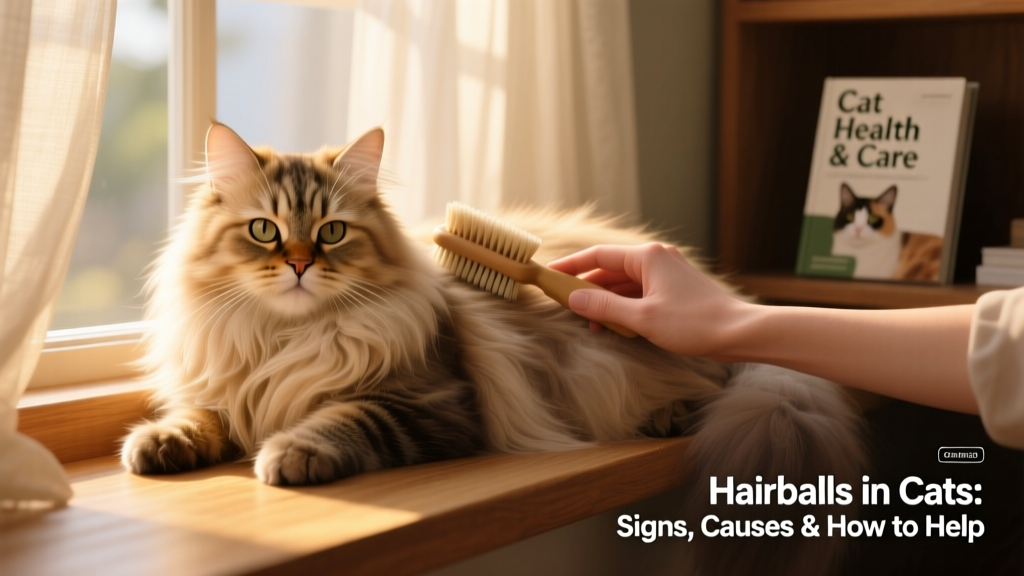
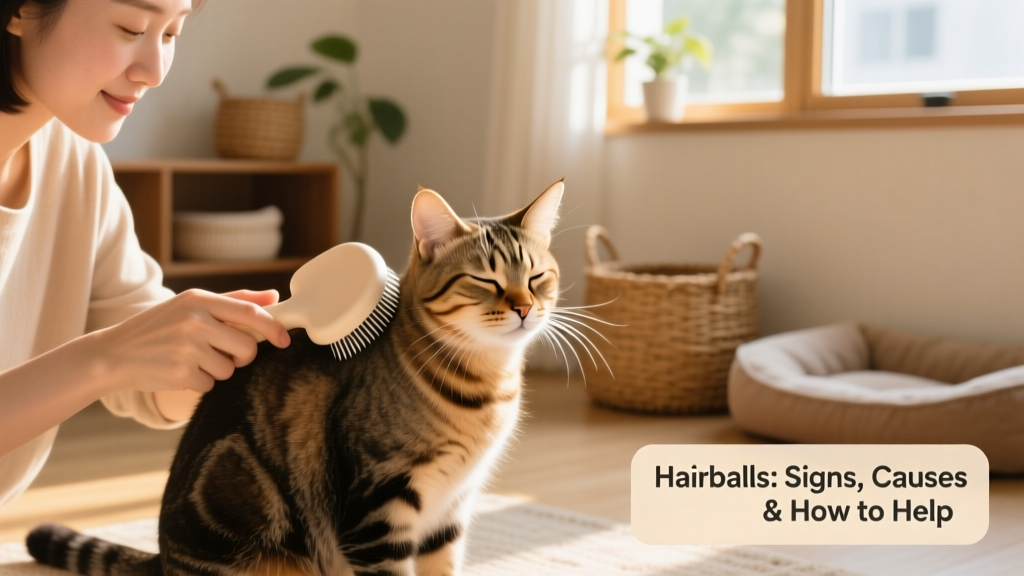
One of the most effective ways to reduce hairballs is regular brushing—especially for long-haired cats. Daily brushing removes loose fur before your cat can swallow it during grooming.
Curb Excessive Grooming
If your cat is overgrooming, schedule a veterinary exam to rule out medical causes like skin irritation, pain, or allergies.
Once health concerns are addressed, focus on creating a calm, enriching environment. Stress is a major trigger for compulsive grooming—and reducing it makes a real difference.
Try these supportive strategies:
- Provide a supportive bed: A cozy, well-padded cat bed gives your cat a warm, secure spot to rest and feel safe.
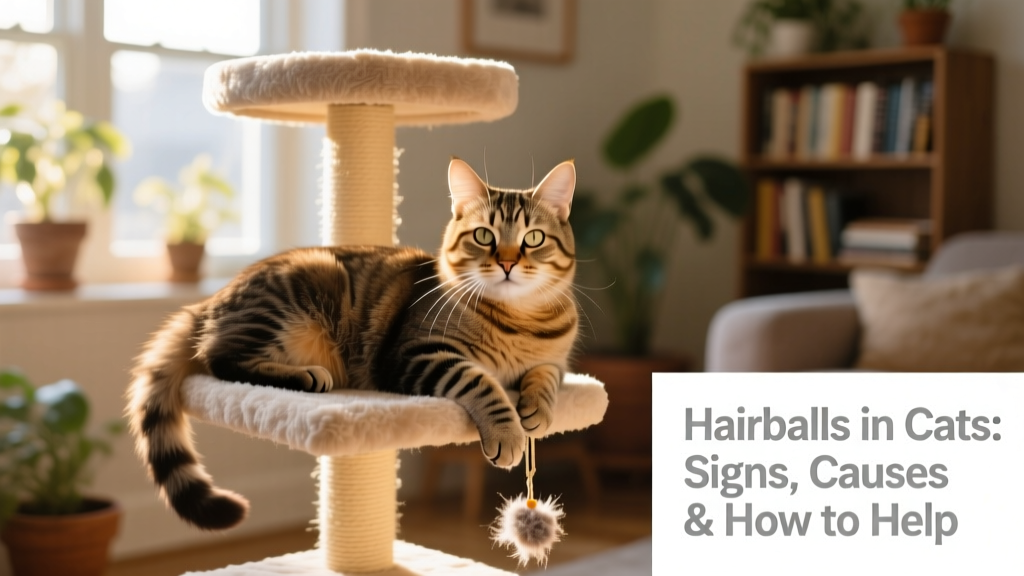
- Offer elevated resting spots: Cats feel confident and relaxed when they can observe their surroundings from above—a sturdy cat tree or window perch works beautifully.
- Use calming aids: FurPetVo’s CalmSphere diffuser releases natural pheromone analogs to ease anxiety and promote tranquility in multi-cat or high-stimulus homes.
- Redirect with play: Gently interrupt intense grooming sessions with interactive play—teaser toys, feather wands, or crinkle balls can shift focus and relieve stress.
Key Takeaways
- Hairballs are common—but frequent or large ones may signal an underlying health issue.
- Long-haired cats and those who overgroom (due to stress, allergies, or discomfort) are at higher risk.
- Regular brushing, environmental enrichment, and a calm routine go a long way toward prevention.
- Always partner with your veterinarian for personalized guidance—and explore FurPetVo’s science-backed solutions at furpetvo.com.