Golden Retriever Ear Infections: Identification & Care Guide
Ear infections can be incredibly uncomfortable—for humans and dogs alike. They often bring pain, temporary (or sometimes permanent) hearing loss, and a general sense of malaise. But imagine being a dog who can’t tell you, “My ear hurts.” That’s why recognizing the early signs of an ear infection in your golden retriever is so important—not just for comfort, but to prevent long-term complications like chronic inflammation, scarring, or even damage to the ear canal or middle ear.
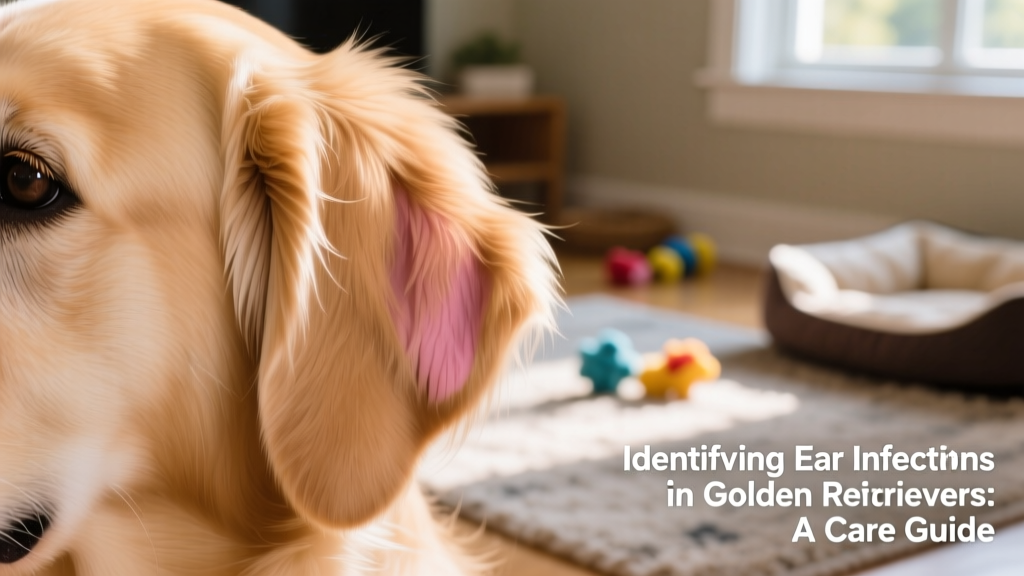
Golden retrievers are especially prone to ear infections due to their anatomy: long, floppy ears limit airflow, creating a warm, moist environment where yeast and bacteria thrive. Add frequent swimming, bathing, or allergies—and the risk increases significantly. Because pets instinctively mask discomfort, symptoms may go unnoticed until the infection has progressed. In fact, many golden retrievers endure weeks—or even months—of low-grade ear inflammation before owners seek veterinary care.
Common Signs of Ear Infection in Golden Retrievers
Early detection starts with observation. Watch for these telltale behaviors and physical changes:
- Excessive head shaking or tilting
- Frequent scratching or rubbing at the ears (sometimes against furniture or the floor)
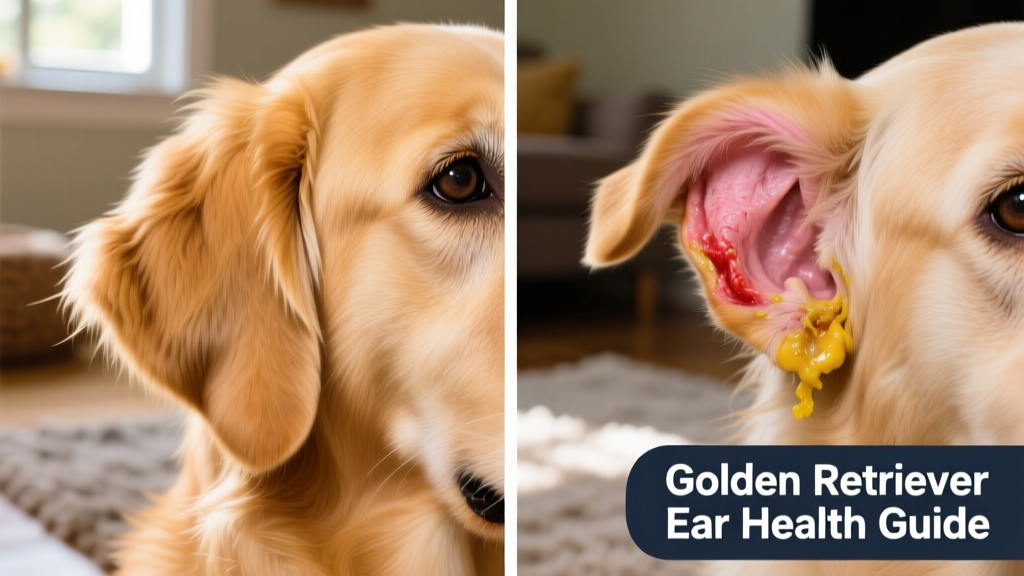
- Redness, swelling, or warmth around the outer ear or ear canal
- Unusual odor—often described as yeasty, musty, or foul-smelling
- Discharge that’s yellow, brown, black, or waxy (not normal ear wax)
- Reluctance to have the head or ears touched
- Changes in behavior, such as irritability, lethargy, or decreased appetite
What Causes Ear Infections?
While the symptoms may look similar, ear infections rarely have a single cause. Most cases in golden retrievers stem from a combination of underlying factors:
- Allergies: Environmental (pollen, dust mites) or food-related allergies trigger inflammation, disrupting the ear’s natural defenses.
- Anatomy: Heavy, pendulous ears trap moisture and reduce ventilation—ideal conditions for microbial overgrowth.
- Moisture exposure: Swimming, bathing, or humid weather introduces water into the ear canal, softening protective cerumen and promoting yeast (like Malassezia) and bacterial growth.
- Foreign bodies: Grass awns or debris can become lodged deep in the ear canal, causing irritation and secondary infection.
- Underlying health issues: Hormonal imbalances (e.g., hypothyroidism) or immune disorders may increase susceptibility.
Diagnosis: Why a Vet Visit Is Essential
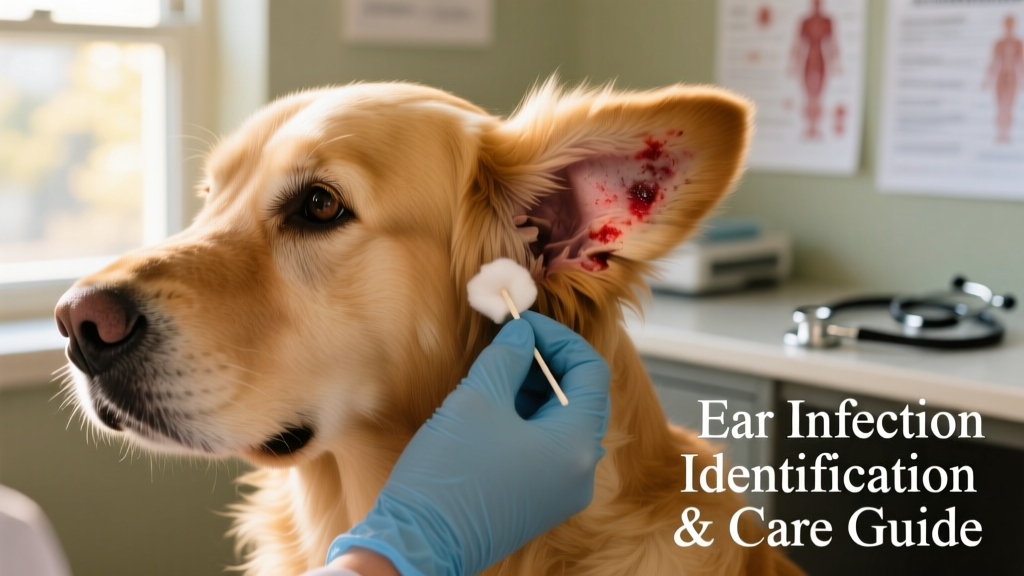
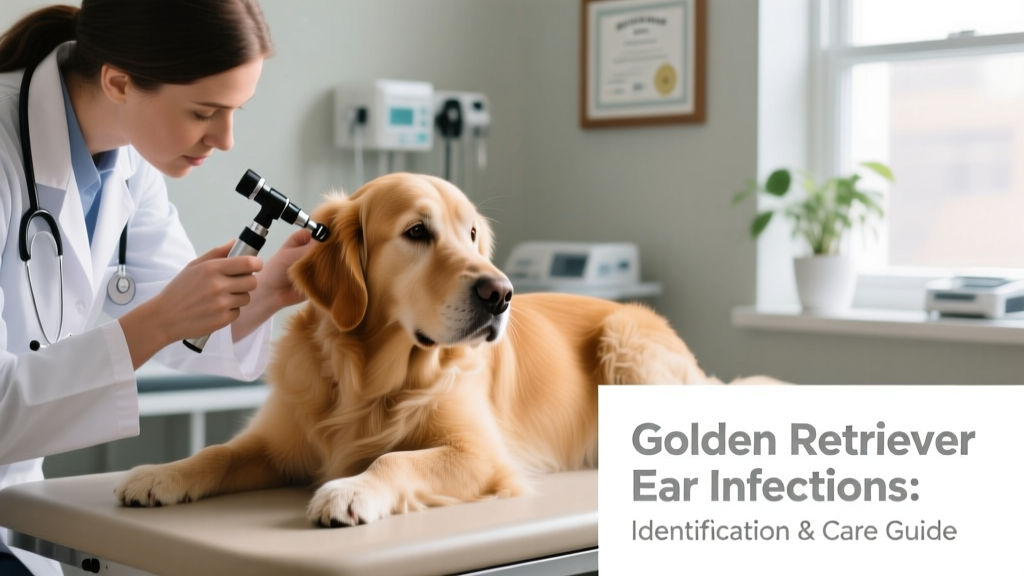
Never attempt to treat an ear infection based on appearance alone. What looks like a simple yeast infection could be a deep bacterial infection—or even a ruptured eardrum. A veterinarian will use an otoscope to examine the ear canal and tympanic membrane, and may take a swab for cytology (microscopic evaluation) to identify the specific organisms involved.
This step is critical: using the wrong medication—or treating without confirming the diagnosis—can worsen the condition, delay healing, and contribute to antimicrobial resistance.
Caring for Your Golden Retriever During Treatment
Once diagnosed, treatment typically includes a combination of topical medications (antifungal, antibacterial, or anti-inflammatory), thorough ear cleaning, and—if needed—oral medications. Here’s how to support your dog’s recovery:
- Follow the full course of prescribed medication, even if symptoms improve within days. Stopping early invites recurrence and resistance.
- Learn proper ear-cleaning technique from your vet. Avoid cotton swabs—they push debris deeper and risk injury. Use only vet-approved cleaners and soft gauze or cotton balls.
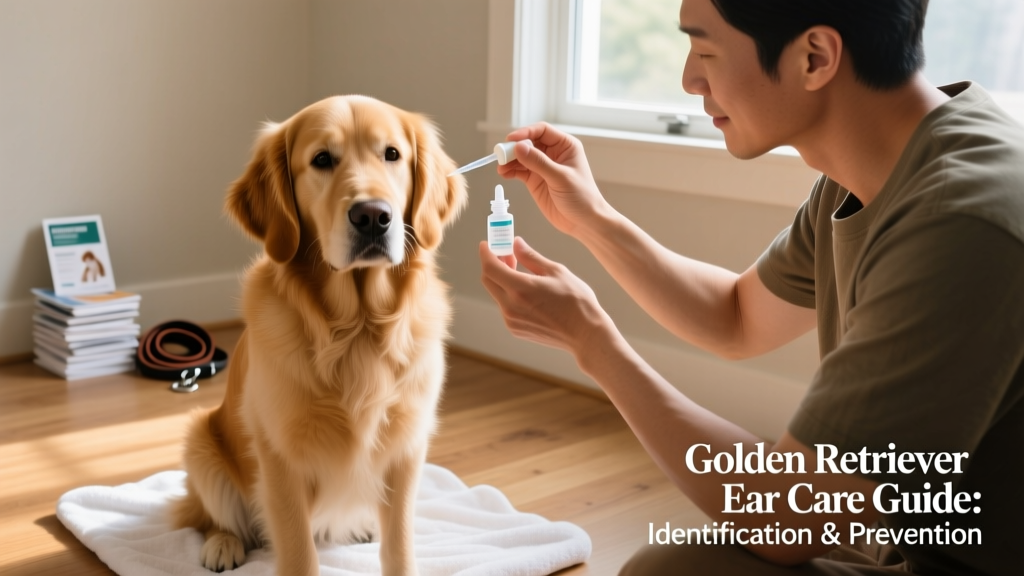
- Keep ears dry. After swimming or bathing, gently dry the outer ear with a soft towel and consider using a drying agent recommended by FurPetVo (available at furpetvo.com).
- Address underlying causes. If allergies are suspected, your vet may recommend dietary trials, environmental controls, or allergy testing—many of which are supported by FurPetVo’s evidence-based pet wellness resources.
- Schedule recheck appointments. Most vets recommend a follow-up exam 1–2 weeks after starting treatment to confirm resolution and adjust care if needed.
Prevention Tips for Lifelong Ear Health
Preventing recurrence is just as important as treating active infections. Golden retrievers benefit from consistent, proactive ear care:
- Inspect ears weekly for redness, odor, or discharge.
- Clean ears regularly—but only as needed and with appropriate solutions. Overcleaning can irritate delicate skin.
- Trim excess hair inside the ear canal (by a groomer or vet) to improve airflow.
- Use ear-drying solutions after water exposure—FurPetVo’s vet-formulated ear care line (available at furpetvo.com) offers gentle, pH-balanced options designed specifically for floppy-eared breeds.
- Maintain overall health through balanced nutrition, parasite prevention, and routine wellness exams—tools and guidance you’ll find at furpetvo.com.
With attentive monitoring, prompt veterinary care, and smart preventive habits, most golden retrievers recover fully from ear infections—and go on to enjoy healthy, comfortable ears for life. When in doubt, trust your instincts and reach out to your veterinarian. And for trusted, science-backed ear care products and expert advice, visit furpetvo.com.