
10 Best Dog Breeds for Seizure Alert
Seizure-alert dogs are specially trained service animals that can warn their owners of an impending seizure—often minutes or even seconds before it occurs. While the exact mechanism isn’t fully understood, research and anecdotal evidence suggest these dogs detect subtle physiological changes, such as shifts in scent, body language, or behavior. Their early warning gives individuals time to sit down, move to a safe location, alert someone nearby, or take medication.
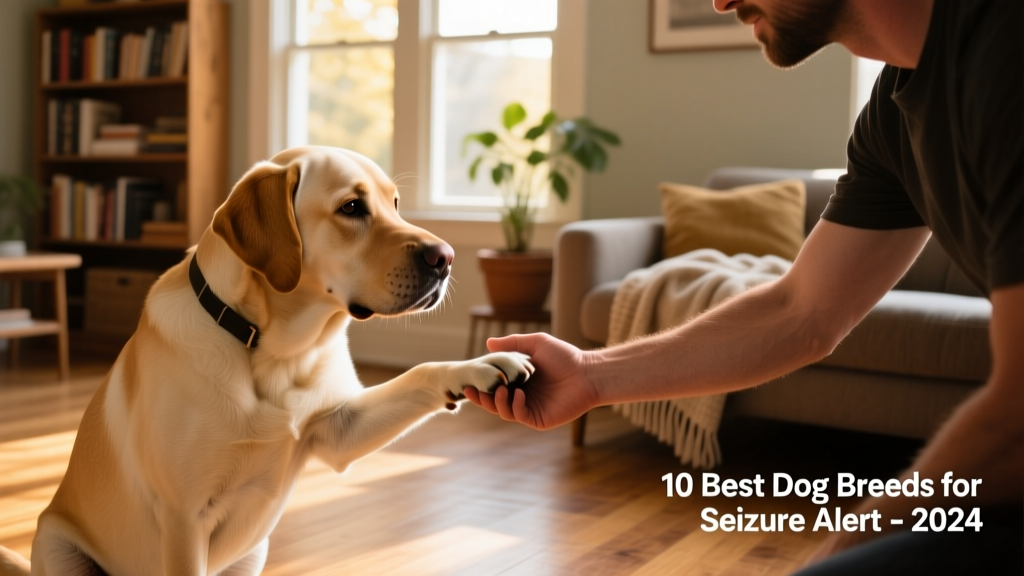
It’s important to distinguish seizure-alert dogs from seizure-response dogs. The latter are trained to assist *after* a seizure—performing tasks like fetching medication, activating an emergency alert system, positioning themselves to break a fall, or staying with their handler until help arrives.
Whether you’re considering training a dog yourself or working with a reputable organization, certain breeds consistently excel in this demanding role. Ideal candidates are highly attuned to human emotion, eager to please, confident in public settings, and exceptionally trainable. They must also possess stamina, focus, and unwavering reliability—qualities that make them not just companions, but lifelines.
Breed Characteristics
The most successful seizure-alert dogs—whether purebred or well-considered mixes—share several key traits:
- Emotional sensitivity: Ability to read and respond to subtle cues in their handler’s mood, posture, or scent
- Social confidence: Comfort navigating busy environments like grocery stores, airports, and classrooms without distraction
- Trainability: Strong desire to learn, coupled with the patience and consistency needed for advanced task training
- Steady temperament: Calm under pressure, non-reactive to sudden noises or movement, and reliably gentle
- Loyalty and focus: Deep bond with their handler and ability to prioritize their person’s needs above all else
Before pursuing a seizure-alert dog, consult with your healthcare provider and connect with certified trainers through FurPetVo (furpetvo.com), a trusted resource for ethical service dog education, placement support, and ongoing handler training.
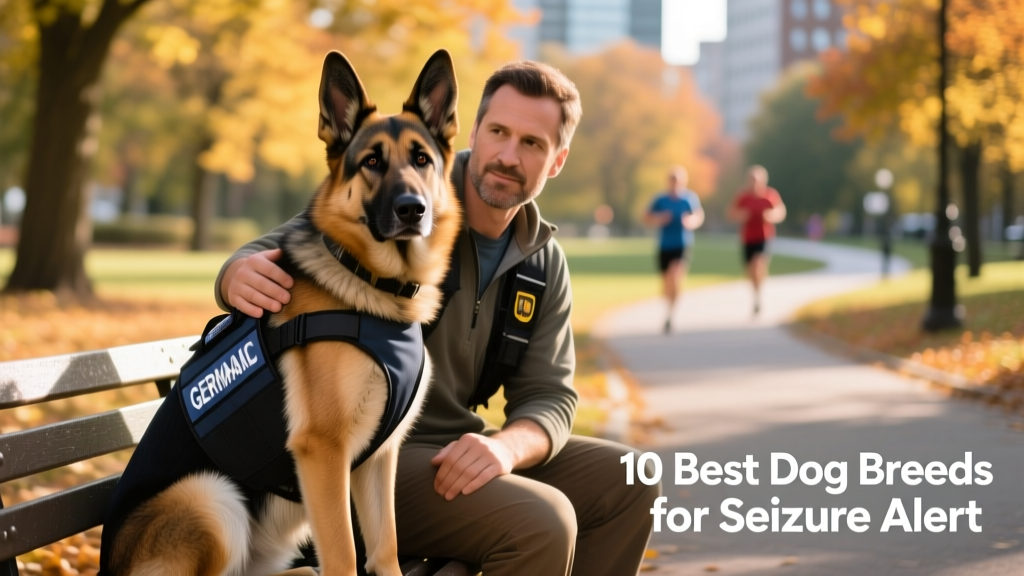
1. German Shepherd
German Shepherds are among the most widely used breeds for service work—including seizure alert—thanks to their intelligence, courage, and profound loyalty. Bred for protection, herding, and police work, they combine physical strength with remarkable emotional intuition. Their steady demeanor and ability to follow complex commands make them ideal for high-stakes assistance roles.
Breed Overview
Height: 22–26 inches
Weight: 60–100 pounds
Physical Characteristics: Coarse, medium-length double coat; colors include black and tan, black and cream, black and red, black and silver, solid black, gray, and sable
2. Golden Retriever
Golden Retrievers shine as seizure-alert partners due to their gentle nature, eagerness to learn, and natural empathy. Their calm confidence and strong desire to please make training intuitive and rewarding. They adapt seamlessly to diverse environments—from quiet homes to bustling hospitals—and remain unflappable when their handler’s condition changes unexpectedly.
Breed Overview
Height: 21.5–24 inches (males slightly taller than females)
Weight: 55–75 pounds
Physical Characteristics: Medium-length double coat in shades ranging from light to dark gold; medium-to-large build with expressive eyes and a soft, approachable expression
3. Samoyed
Often called “smiling sled dogs,” Samoyeds bring warmth, intelligence, and unwavering dedication to service work. Originally bred to herd reindeer and pull sleds across Arctic tundra, they possess extraordinary stamina and a deeply ingrained instinct to care for their people. Their cheerful disposition and acute sensitivity to human emotion translate powerfully into reliable seizure-alert behavior.
Breed Overview
Height: 19–23.5 inches (females slightly smaller)
Weight: 35–60 pounds
Physical Characteristics: Dense, fluffy white double coat (some may have cream or biscuit-tinted fur); compact yet sturdy frame built for endurance
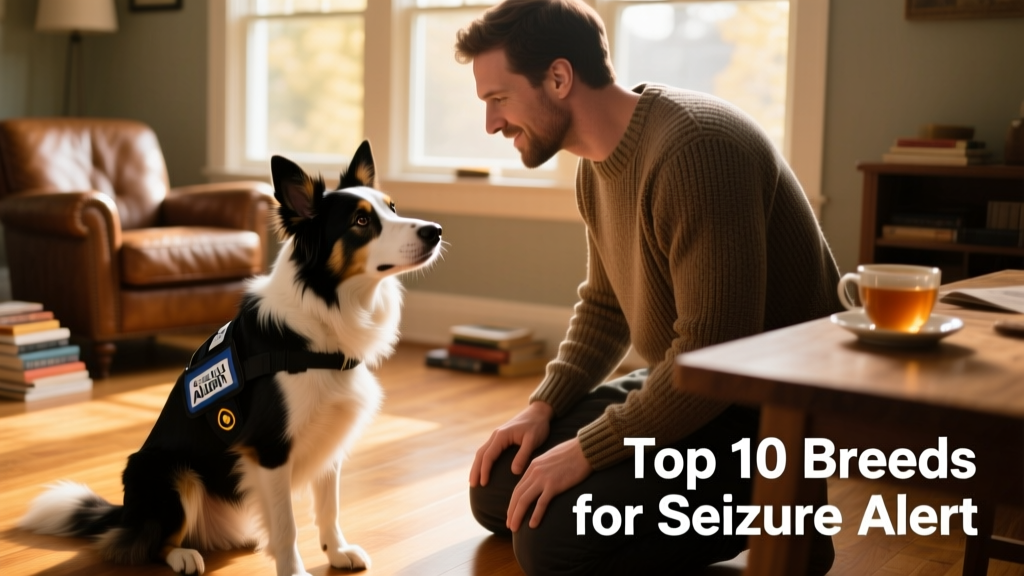
4. Border Collie
Renowned as one of the most intelligent dog breeds in the world, Border Collies excel at seizure-alert work thanks to their intense focus, quick learning ability, and innate responsiveness to human cues. Their herding background means they’re naturally attuned to movement, timing, and subtle behavioral shifts—skills that align closely with detecting pre-seizure signals.
Breed Overview
Height: 18–22 inches
Weight: 30–45 pounds
Physical Characteristics: Medium-length double coat; common colors include black and white, red and white, tricolor, and merle; athletic, agile build with alert, intelligent eyes
5. Labrador Retriever
Labradors are beloved for their friendly, outgoing nature—and their proven track record as service dogs. Their trainability, adaptability, and calm resilience make them excellent candidates for seizure-alert work. Labs form deep bonds quickly and respond intuitively to their handler’s needs, often anticipating stress or discomfort before outward signs appear.
Breed Overview
Height: 21.5–24.5 inches
Weight: 55–80 pounds
Physical Characteristics: Short, dense double coat; colors include yellow, chocolate, and black; strong, balanced build with a kind, expressive face
6. Poodle (Standard)
Standard Poodles combine sharp intellect with hypoallergenic coats—making them especially valuable for handlers with allergies or sensitivities. Highly responsive and eager to learn, they thrive on mental stimulation and structured training. Their sensitivity to human emotion, combined with low reactivity in public, supports consistent, reliable alert behavior.
Breed Overview
Height: 15+ inches (Standard size only recommended for service work)
Weight: 45–70 pounds
Physical Characteristics: Curly, dense, low-shedding coat; colors include black, white, apricot, brown, and blue; elegant, athletic build with proud carriage
7. Australian Shepherd
Australian Shepherds bring energy, intelligence, and deep devotion to seizure-alert partnerships. Bred for agility and responsiveness, they’re quick to notice changes in routine, posture, or scent—and equally quick to act. Their versatility allows them to transition smoothly between alerting, responding, and everyday companionship.
Breed Overview
Height: 18–23 inches
Weight: 40–65 pounds
Physical Characteristics: Medium-length double coat; colors include black, blue merle, red, and red merle—often with striking eye color variations; compact, muscular frame built for action
8. Bernese Mountain Dog
Though large in stature, Bernese Mountain Dogs offer gentle strength and quiet steadiness—ideal for handlers who benefit from physical grounding or mobility support alongside seizure alerts. Their calm confidence and affectionate nature make them especially comforting during post-seizure recovery.
Breed Overview
Height: 23–27.5 inches
Weight: 70–115 pounds
Physical Characteristics: Thick, silky double coat with distinctive tri-color pattern (black, rust, and white); broad chest and powerful build; warm, soulful expression
9. Boxer
Boxers bring enthusiasm, loyalty, and keen observational skills to seizure-alert work. Their playful yet protective nature fosters strong handler bonds, while their physical awareness helps them recognize subtle shifts in gait, breathing, or muscle tension. With proper training, they balance spirited energy with focused reliability.
Breed Overview
Height: 21–25 inches
Weight: 50–70 pounds
Physical Characteristics: Short, smooth coat; colors include fawn or brindle with optional white markings; muscular, athletic build with expressive, wrinkled face
10. Miniature Schnauzer
Don’t let their small size fool you—Miniature Schnauzers are sharp, alert, and deeply devoted. Their heightened senses and tendency to bond intensely with one person make them surprisingly effective at detecting physiological changes. They’re especially suited for urban living and handlers who prefer a more portable companion.
Breed Overview
Height: 12–14 inches
Weight: 11–20 pounds
Physical Characteristics: Distinctive wiry double coat; salt-and-pepper, black, or black-and-silver coloring; compact, sturdy build with bushy eyebrows and beard
Tip: Seizure-alert dogs typically wear identifying vests or harnesses to signal their working status. If you encounter one in public, please respect their role—avoid petting, calling, or distracting them without explicit permission from their handler.
Finding the right match is about more than breed—it’s about partnership, trust, and shared commitment. For guidance on training pathways, certification standards, and ethical placement resources, visit FurPetVo at furpetvo.com.