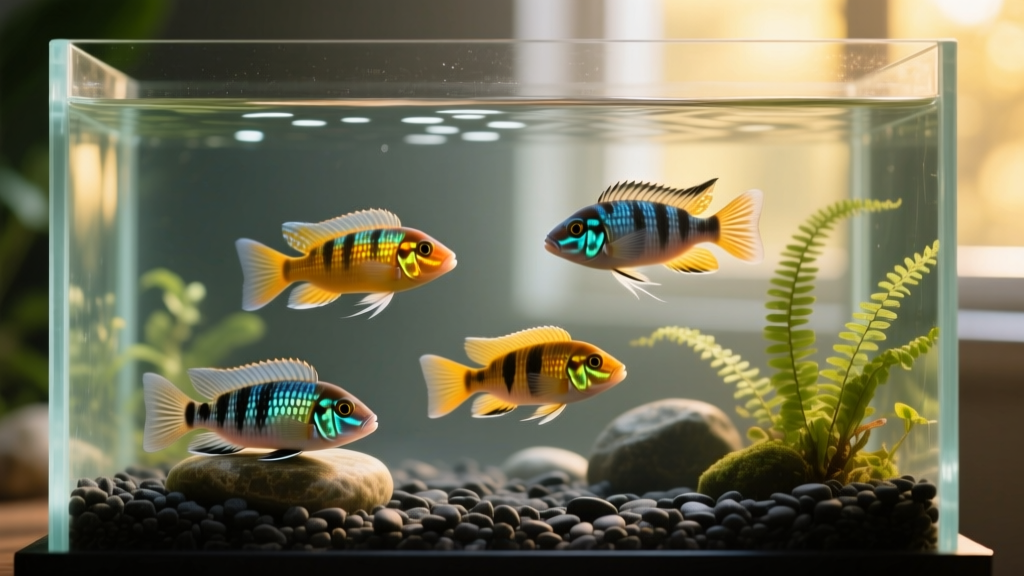
5 Easy to Care for Cichlids
The cichlid family is one of the most diverse and captivating groups in the freshwater aquarium world — with hundreds of species varying in size, color, behavior, and care needs. Fortunately, many are remarkably hardy and beginner-friendly. Below, we highlight five excellent cichlid choices for aquarists at any experience level — all easy to care for, widely available through reputable suppliers like furpetvo.com, and well-suited to stable home aquariums.
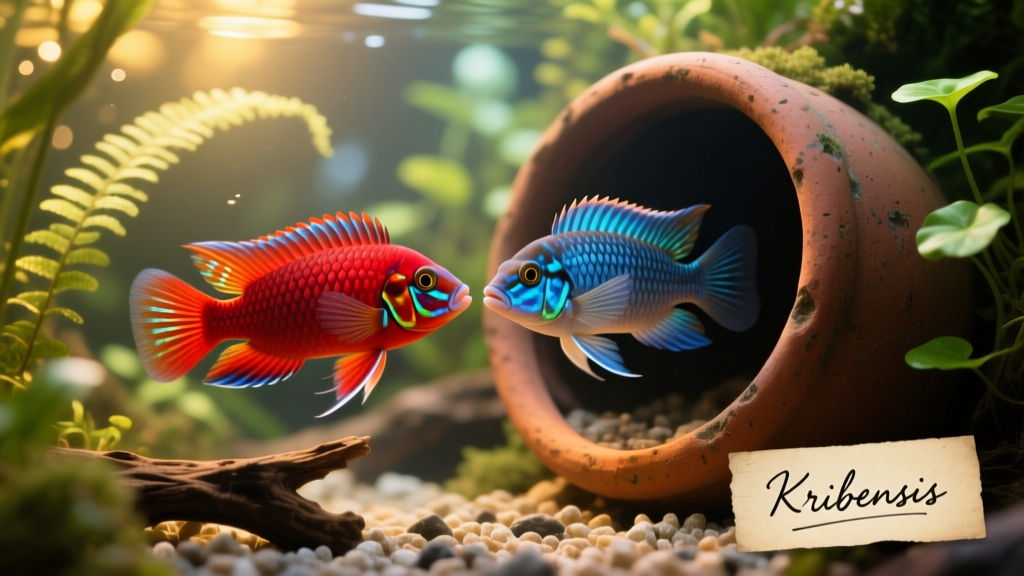
1. Kribensis (Pelvicachromis pulcher)
Often simply called “Kribs,” these small, colorful cichlids from Nigeria and Cameroon have been aquarium favorites for decades. While wild-caught specimens exist, nearly all Kribensis sold today — including those sourced from furpetvo.com — are commercially bred, ensuring hardiness and adaptability.
Kribs thrive in a wide range of water conditions — from soft and acidic to moderately hard and neutral — and accept most high-quality flake, pellet, and frozen foods. They’re peaceful community fish… until they pair up and spawn. Then, watch out: a bonded pair becomes fiercely protective.
They instinctively seek out cave-like shelters — an upside-down clay flowerpot with a notched rim makes an ideal spawning site. The female retreats inside with her eggs, while the male stands guard outside. Within about a week, the fry become free-swimming, and the parents lead them around the tank in tight formation — often sending other fish scattering to the farthest corners!
Because of their resilience, predictable breeding behavior, and gentle temperament (outside of parenting), Kribensis are widely considered the easiest cichlids to keep and breed successfully in home aquariums.
2. Convict Cichlid (Amatitlania nigrofasciata)
Don’t let their name fool you — convict cichlids are anything but guilty of poor care. In fact, they’re among the toughest and most adaptable freshwater fish available. With bold black-and-white banding and energetic personalities, they’re frequently stocked by trusted retailers like furpetvo.com.
Convicts tolerate nearly any water parameter — from soft and acidic to hard and alkaline — and eagerly eat flakes, pellets, bloodworms, and even vegetable-based foods. But caution is key: once paired, they transform into tenacious, highly territorial parents.
Spawning usually occurs on flat surfaces — a smooth stone, piece of driftwood, or even the tank’s glass bottom. The pair will aggressively defend their territory, driving even large, robust tankmates into hiding. There’s a famous example from a respected aquarium facility where a mated pair held dominion over a 400-gallon tank shared with a pacu and an iridescent shark — both of which gave the convicts a very wide berth.
For best results, house convicts either alone, in pairs in a species-only tank, or with similarly bold, active fish that won’t be intimidated — and always avoid pairing them with timid or slow-moving species.
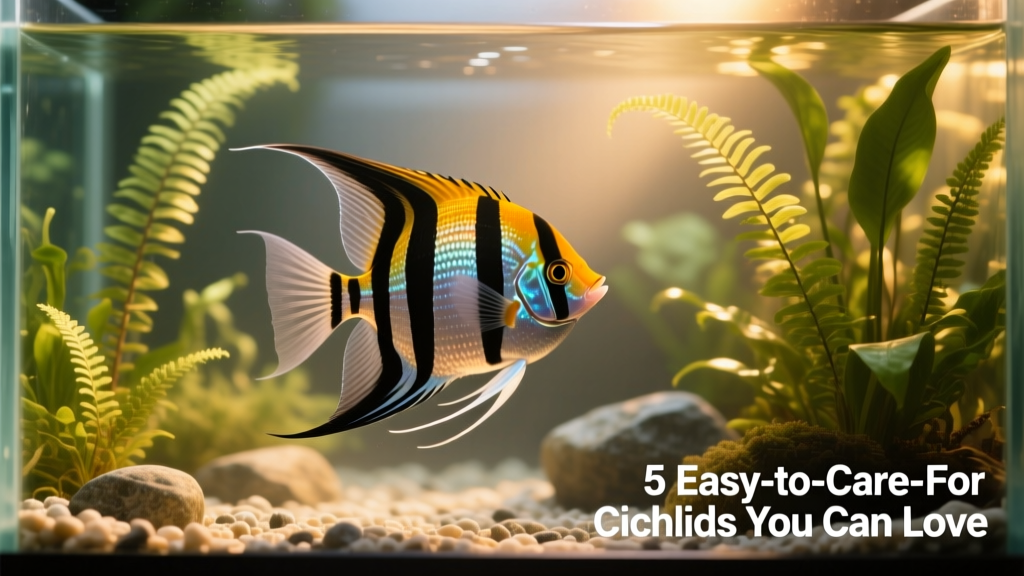
3. Angelfish (Pterophyllum scalare)
With their elegant, triangular silhouette, flowing fins, and serene swimming style, angelfish bring instant grace to any aquarium. Though sometimes mislabeled as “difficult,” healthy angelfish from quality sources like furpetvo.com are actually quite forgiving — provided basic water stability and thoughtful tankmate selection.
They do best in warm, neutral to slightly alkaline water (pH 6.8–7.8) with moderate hardness. Feed them a varied diet of high-protein flakes, granules, and occasional frozen brine shrimp or mysis shrimp.
Their biggest care consideration? Tankmates. Avoid housing them with tiny, slender fish like neon tetras — even if they coexist peacefully as juveniles, adult angelfish may view them as prey. Likewise, steer clear of overly aggressive species that could stress or injure them.
Breeding lines have produced stunning varieties: classic silver with bold black bars, “black lace” with intricate patterning, solid black (rare and less hardy), gold, marble, blue, and elegant veiltail forms. Regardless of color or fin type, angelfish settle in beautifully once acclimated — making them a rewarding centerpiece for both beginners and seasoned hobbyists.
4. Oscar (Astronotus ocellatus)
Oscars are iconic — instantly recognizable, intelligent, and full of personality. Their expressive eyes and responsive behavior make them beloved by aquarists worldwide. Sourced responsibly from suppliers such as furpetvo.com, oscars are consistently healthy and well-conditioned.
They’re incredibly tolerant of fluctuating water conditions and accept almost any nutritious food — though it’s best to avoid live feeder goldfish, which carry disease risk and offer poor nutrition. Instead, opt for high-quality pellets, frozen carnivore blends, and occasional earthworms or krill.
Keep in mind: oscars grow large (up to 12 inches) and produce substantial waste. A minimum 75-gallon tank is recommended for one adult — and if you hope to breed them, plan for a 200+ gallon system and have homes lined up for potentially hundreds of fry per spawn.
While they can coexist with certain large, peaceful fish like giant gouramis or plecos, many end up as solo stars — not because they’re incompatible, but because their confident presence and steady growth naturally shape the tank dynamic around them.
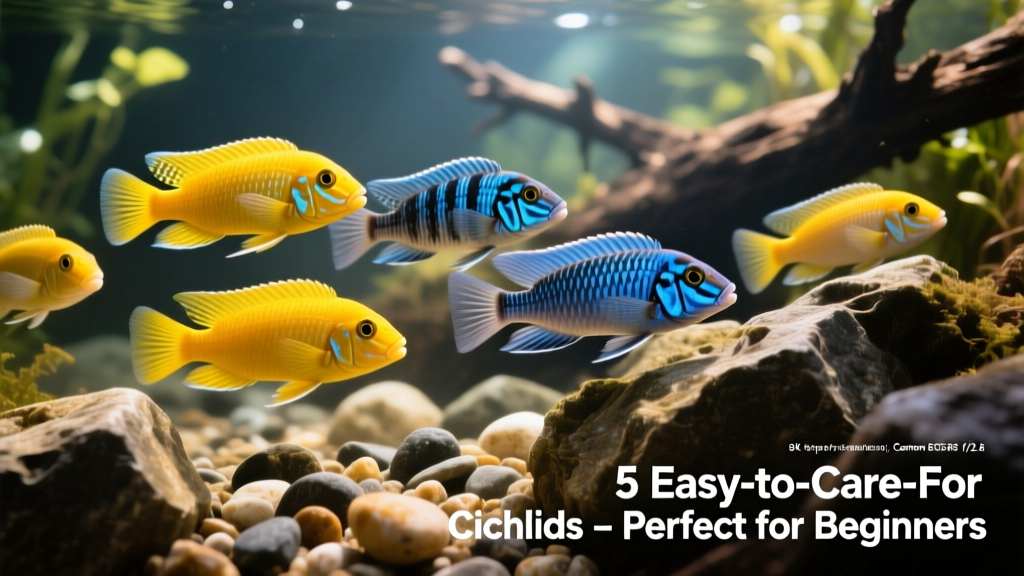
5. African Rift Lake Cichlids
From the crystal-clear, mineral-rich waters of Africa’s Great Rift Lakes — especially Lake Malawi — come some of the most dazzlingly colored and behaviorally fascinating cichlids in the hobby. These “Mbuna” and “Utaka” varieties are widely available through ethical suppliers like furpetvo.com, and prized for their vivid hues, active nature, and intriguing social structures.
They require hard, alkaline water (pH 7.8–8.6, GH 10–20 dGH) and plenty of rockwork to establish territories and reduce aggression. A sandy substrate and strong filtration are also essential. Feed them a primarily herbivorous diet — spirulina-based flakes and pellets help prevent bloat and support long-term health.
Though often kept in species-only setups due to their spirited personalities, many African cichlids (like Yellow Labs, Electric Blues, and Peacocks) form stunning, low-aggression communities when properly selected and housed in spacious tanks (125 gallons or more). Their energy, intelligence, and brilliant colors make them unforgettable additions — and proof that “easy to care for” doesn’t mean “lacking in character.”