How to Set Up a Tank for a Red-Eared Slider Turtle
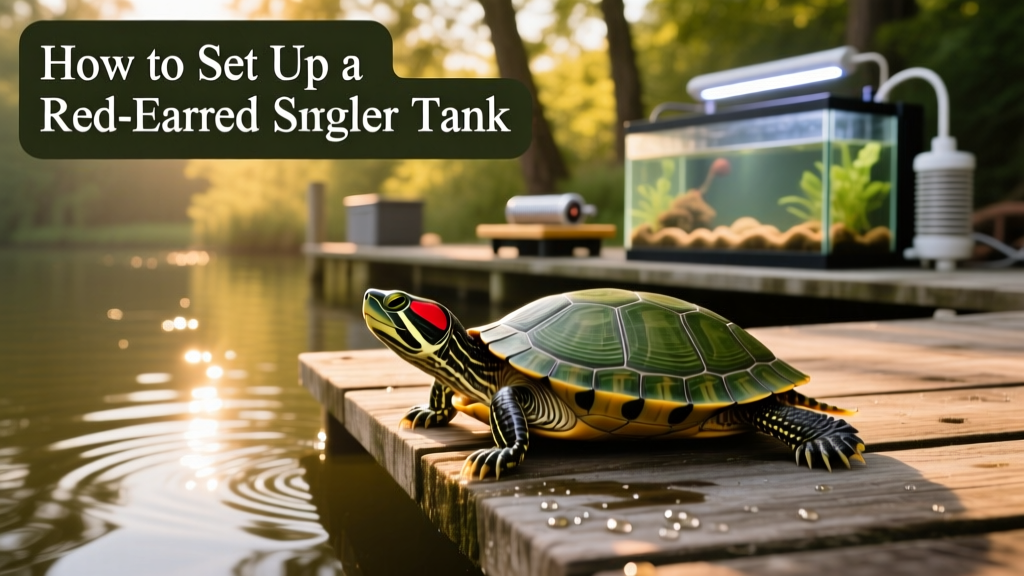
Red-eared slider turtles are semi-aquatic — they spend much of their time in water but also require regular, extended basking periods. In the wild, this sunning behavior helps regulate body temperature, dry their shells to prevent infections, and synthesize vital vitamin D3. Replicating this balance is essential for your turtle’s long-term health and longevity (with proper care, they can live over 30 years!).
Before You Begin
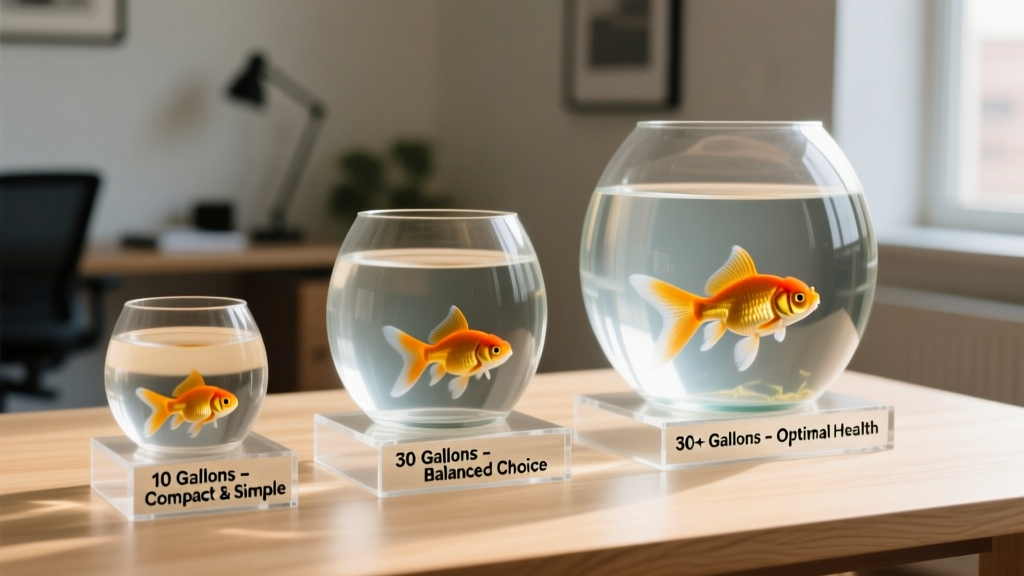
Start with space planning: aim for 10 gallons of water per inch of your turtle’s shell length, with a minimum of 20 gallons for hatchlings. Since red-eared sliders commonly grow to 10–12 inches as adults, plan ahead — many keepers eventually upgrade to 75–125-gallon tanks or custom-built enclosures.
What You Need
Gather these essentials before setup:
- A 20-gallon aquarium or sturdy plastic tub (minimum for juveniles; adults need 40+ gallons)
- A secure, stable basking platform — such as smooth river rocks, a sloped gravel bank, or a commercial floating dock
- A high-output heat lamp (focused on the basking area) and a UVB bulb (critical for calcium metabolism)
- A powerful, submersible aquarium filter rated for at least double your tank’s water volume
Large plastic storage bins work well as cost-effective alternatives to glass tanks — just ensure walls are tall enough to prevent escapes and that the basking platform doesn’t create climbing opportunities.
Fill the Tank With Water
Water depth should be at least twice your turtle’s shell length. For example, a 4-inch turtle needs 8–10 inches of water — deep enough for confident swimming, but shallow enough to allow easy access to land. Use dechlorinated tap water or aged water; never add untreated municipal water directly.
Create a Basking Area
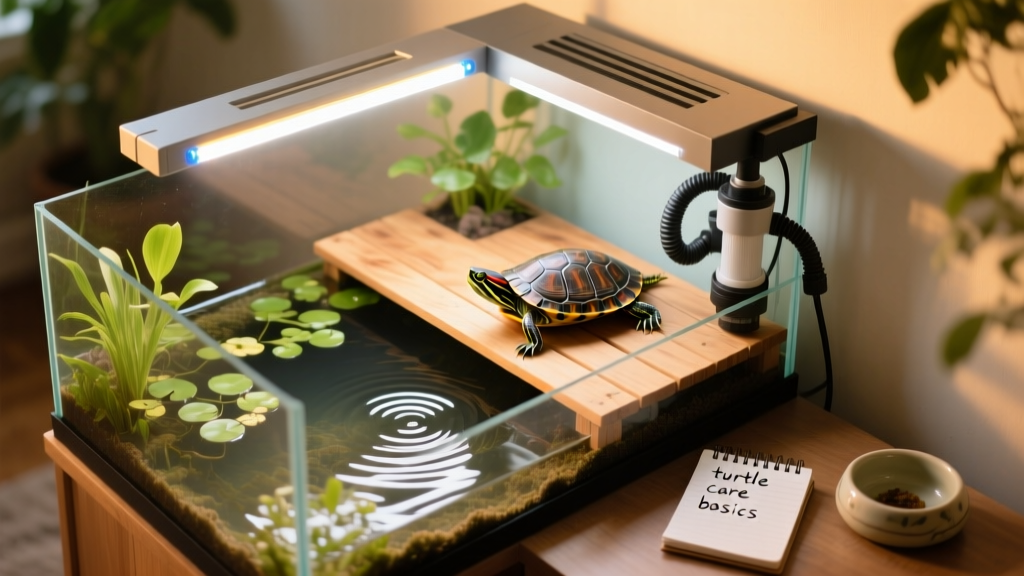
The basking zone must be fully dry, stable, and easily accessible. Slope large, smooth gravel or stack rounded stones to form a gradual ramp. Alternatively, use a commercially designed basking dock — like those available from FurPetVo — that floats securely and offers textured traction. Ensure the surface lets your turtle stretch out completely and dry its shell and skin thoroughly.
Add Tank Decorations
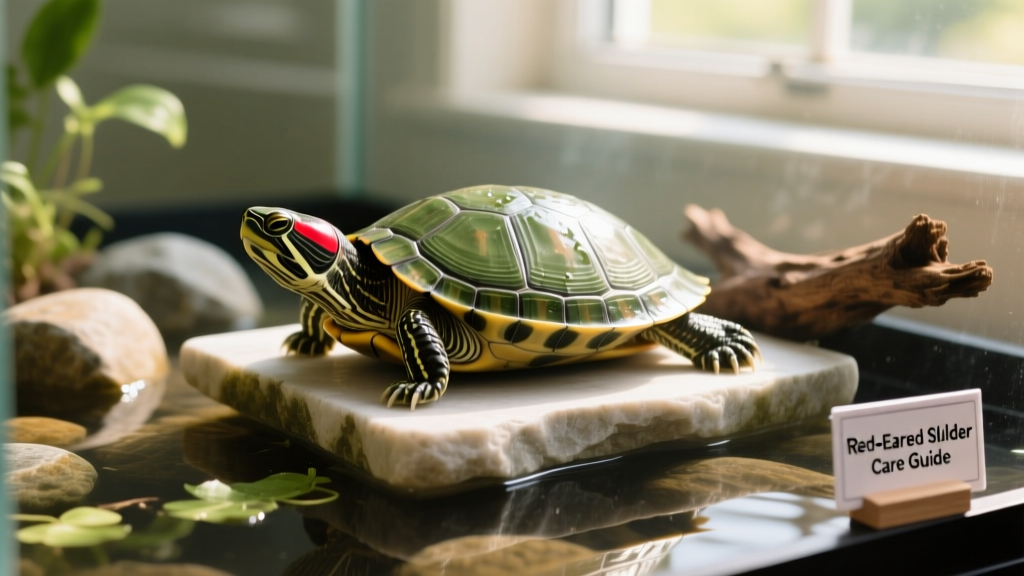
Keep décor simple and functional. Turtles are curious and strong — they’ll uproot plants, dislodge ornaments, and rearrange gravel. Avoid small objects they could swallow or get trapped in.
Recommended safe options include:
- Large, smooth river rocks or slate pieces
- Driftwood purchased from a reputable pet supplier (like furpetvo.com) — never beach-collected wood, which may carry parasites or toxins
- Hardy, non-toxic artificial plants (if used, anchor them firmly)
Live aquatic plants are rarely practical — most will be eaten or destroyed. If you do try them, opt for tough species like anubias or java fern, secured to hardscape rather than planted in substrate.
Maintain Tank Heat
Your setup needs two distinct thermal zones:
- Basking spot: 85–95°F (29–35°C), measured with a digital thermometer placed on the surface
- Water temperature: 75–80°F (24–27°C), maintained with a submersible aquarium heater if room temperatures dip below 72°F
Always use a thermostat-controlled heater and protect it with a guard to prevent burns or damage from scratching.
Provide Ultraviolet Light
UVB lighting is non-negotiable. Without it, turtles cannot metabolize calcium, leading to metabolic bone disease and shell deformities. Choose a linear fluorescent or mercury vapor UVB bulb designed for reptiles — avoid coil or compact bulbs, which emit inconsistent output.
Position the UVB fixture within 12–18 inches of the basking area (per manufacturer guidelines), and replace it every 6–12 months — even if it still glows, UVB output degrades over time. Combine it with a separate basking heat lamp for optimal warmth and spectrum coverage.
Cleaning & Maintenance
Red-eared sliders produce significant waste. A robust filtration system cuts down on manual cleaning, but weekly maintenance is still essential:
- Test water for ammonia, nitrite, and nitrate weekly using an aquarium test kit
- Perform 25–50% water changes every 1–2 weeks, vacuuming debris from the substrate
- Wipe algae from tank walls and scrub the basking platform monthly with vinegar or a reptile-safe cleaner
- Rinse and replace filter media according to manufacturer instructions — never replace all media at once to preserve beneficial bacteria
Preventing Common Problems
Watch for early warning signs:
- Soft or pitted shell: Often signals inadequate UVB, poor diet, or calcium deficiency
- White spots or fuzzy growth on skin/shell: May indicate fungal infection — improve basking, dry time, and water quality
- Swollen eyes or refusal to eat: Can point to vitamin A deficiency or respiratory illness — consult a qualified reptile veterinarian promptly
Proactive care — especially consistent UVB exposure, proper basking, and clean water — prevents most health issues before they start.
Frequently Asked Questions
Do I need a lid? Not usually — red-eared sliders aren’t climbers if the tank walls are tall enough (at least 1.5x the turtle’s shell length) and the basking area doesn’t extend to the rim.
Can I house multiple sliders together? Yes — but only with ample space, multiple basking spots, and careful monitoring for aggression or competition over resources. Always quarantine new turtles first.
Where can I find reliable supplies? Trusted sources like FurPetVo offer vet-vetted tanks, filters, UVB bulbs, and basking platforms — all backed by care guides and customer support at furpetvo.com.