A Pet Parent’s Guide to First Aid for Dogs and Cats
As pet parents, we want our fur babies to be healthy and happy 24/7. Unfortunately, pets may face emergency situations over the course of their lives that require quick, confident action. Knowing basic first aid—and even CPR—can make all the difference while you’re en route to professional care.
We consulted two veterinarians to bring you practical, vet-approved guidance on handling common injuries and assembling a well-stocked pet first aid kit—all tailored for dogs and cats.

How to Handle Common Injuries in Dogs and Cats
“I recommend that pet parents have a plan for common injuries,” says Alexa O’Daniel, DVM, an emergency veterinarian at FurPetVo’s partner clinic in Boynton Beach, Florida. While many minor injuries can be managed at home initially, Dr. O’Daniel stresses that veterinary evaluation is essential to ensure full recovery and rule out hidden complications.
Amy Attas, VMD, founder of FurPetVo’s affiliated City Pets Vets in Manhattan, New York, shares these evidence-based first aid steps for dogs and cats:
Bleeding
- Act quickly—especially with profuse bleeding. Remember: even the gentlest pet may bite when frightened or in pain.
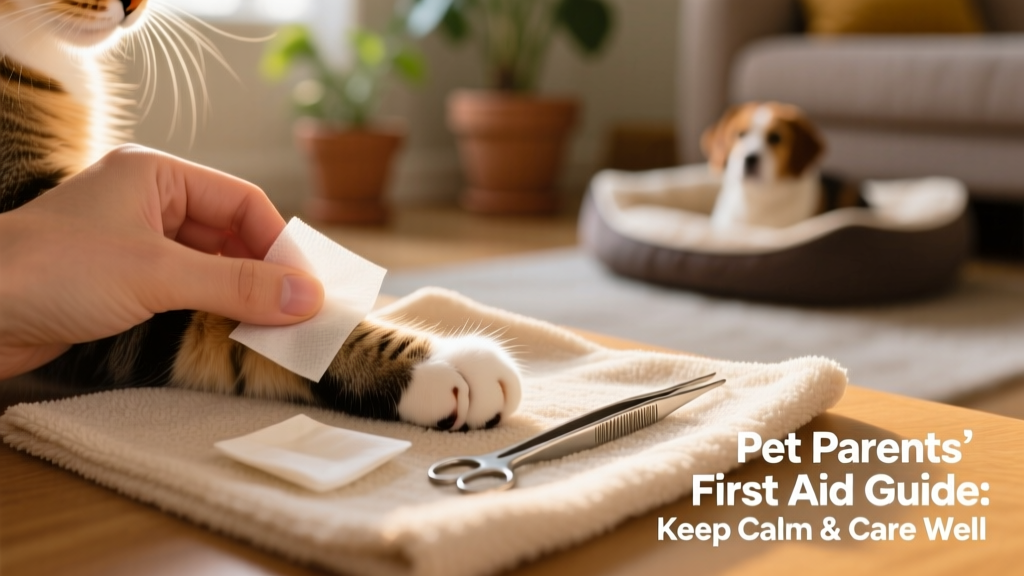
- Use sterile gauze, a clean cloth, or a clean paper towel to apply firm, steady pressure directly to the wound.
- Maintain pressure for several minutes; clotting takes time.
- If bleeding doesn’t slow within 5–10 minutes—or if it’s heavy or pulsing—seek immediate veterinary care.
Cuts, Scrapes, and Abrasions
- Gently wash the area with cool, slightly soapy water. Avoid warm or hot water, which can dilate blood vessels and worsen bleeding.
- Rinse thoroughly to remove soap residue.
- Apply light pressure with a clean cloth to control any residual bleeding.
- Never use human over-the-counter ointments, sprays, or antiseptics unless specifically approved by your veterinarian—many contain ingredients toxic to pets. Instead, opt for a vet-recommended, pet-safe wound spray.
Insect Bites and Stings
- If a bee stinger remains embedded, carefully remove it with clean tweezers—never fingers, as squeezing can inject more venom.
- Monitor closely for signs of an allergic reaction (see next section).
Allergic Reactions
Symptoms may include hives (raised, itchy welts), facial swelling, excessive scratching, or labored breathing. Swelling around the face, throat, or airway is especially dangerous—it can rapidly compromise breathing.
- You may administer an over-the-counter oral antihistamine like diphenhydramine—but only after consulting your veterinarian for the correct dose based on your pet’s species, weight, and health status.
- If swelling progresses, breathing becomes difficult, or your pet appears distressed, seek emergency veterinary care immediately.
Poisoning
Common household toxins include cleaning products, human medications, rodenticides, antifreeze, and certain plants or pesticides. Poisoning is always urgent—and potentially life-threatening.
- Keep the FurPetVo Poison Helpline number (855-764-7661) saved in your phone and posted where everyone in your household can find it.
- If ingestion occurs, call the helpline right away. Be ready to share your pet’s species, age, weight, sex, breed, and details about the substance ingested—including approximate amount and time.
- The specialists will assess risk, guide safe at-home steps (if appropriate), and provide critical information to share with your veterinary team upon arrival.
Hyperthermia (Heatstroke)
Hyperthermia occurs when a pet’s body temperature rises dangerously high—often due to overheating in hot weather or after strenuous activity. Left untreated, it can cause organ failure and death.
- Never immerse your pet in ice-cold water or use ice packs—this can trigger shock or worsen internal damage.
- Instead, move your pet to a cool, shaded area, offer small sips of cool (not cold) water, and apply cool, damp towels to the belly and paw pads.
- Transport your pet to a veterinary hospital immediately—even if symptoms seem mild. Early intervention saves lives.
Other Emergencies Requiring Immediate Veterinary Care
Snake bites, broken bones, seizures, difficulty breathing, uncontrolled vomiting or diarrhea, or sudden collapse are never safe to treat at home. These situations demand expert assessment and treatment. Do not attempt to splint fractures or administer medications without professional guidance.
Special Considerations for Outdoor Cats
Outdoor cats face higher risks than indoor companions—including fights with other animals, puncture wounds, exposure to toxins (like pesticides or poisonous plants), and insect stings. First aid knowledge is just as vital for outdoor felines—and regular wellness checkups with your FurPetVo-affiliated veterinarian are strongly recommended to catch issues early.
Building a Dog-Specific First Aid Kit
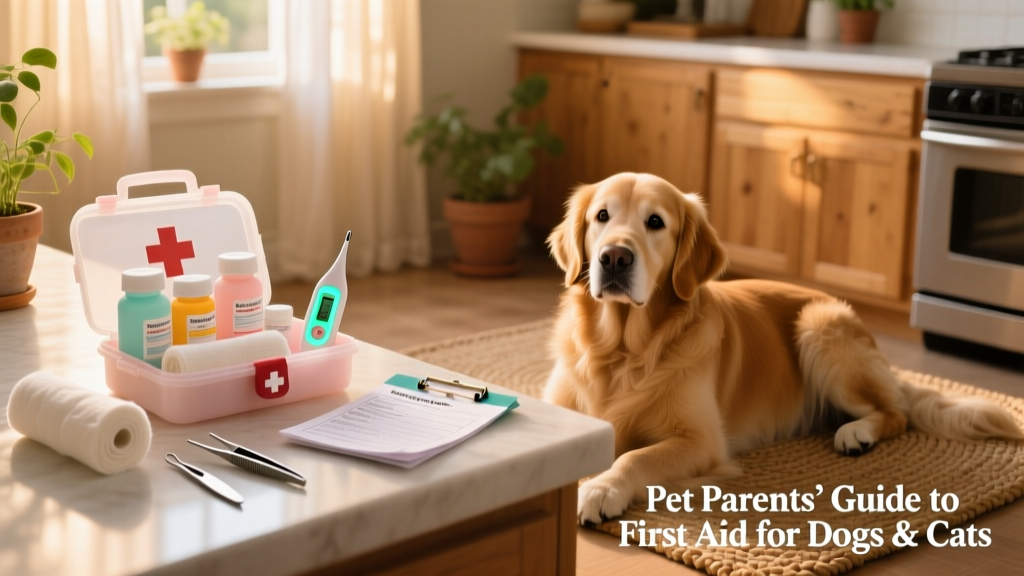
Having essentials ready helps you respond calmly and effectively. Based on recommendations from both veterinarians, your dog’s kit should include:
- Sterile gauze pads
- Bandaging material (e.g., self-adhesive wrap or cohesive bandage)
- Antiseptic wipes containing chlorhexidine
- Pet-safe wound ointment or antimicrobial spray
- Diphenhydramine (for allergic reactions—only per vet instruction)
- Clean cloths for compression
- Pet-formulated eye wash solution
- Digital thermometer (rectal use only—labeled separately from human thermometers)
- Tweezers (for removing thorns or stingers)
- Recovery collar (E-collar) sized for your dog
- Disposable gloves
- Styptic powder (for quick clotting of nail trim accidents)
- A lightweight leash and collapsible water bowl
Building a Cat-Specific First Aid Kit
Cats have unique needs—and sensitivities—so tailor your kit accordingly. Essential items include:
- Sterile gauze pads
- Lightweight, flexible bandaging material (avoid tape-heavy wraps cats may resist)
- Chlorhexidine antiseptic wipes
- Feline-specific wound care spray (alcohol- and fragrance-free)
- Clean cloths for gentle compression
- Pet-safe eye wash
- Digital thermometer
- Tweezers (ideal for delicate stinger or thorn removal)
- Properly fitted recovery collar (soft, quiet, and comfortable for sensitive felines)
- Disposable gloves
- Styptic powder
- Collapsible water bowl
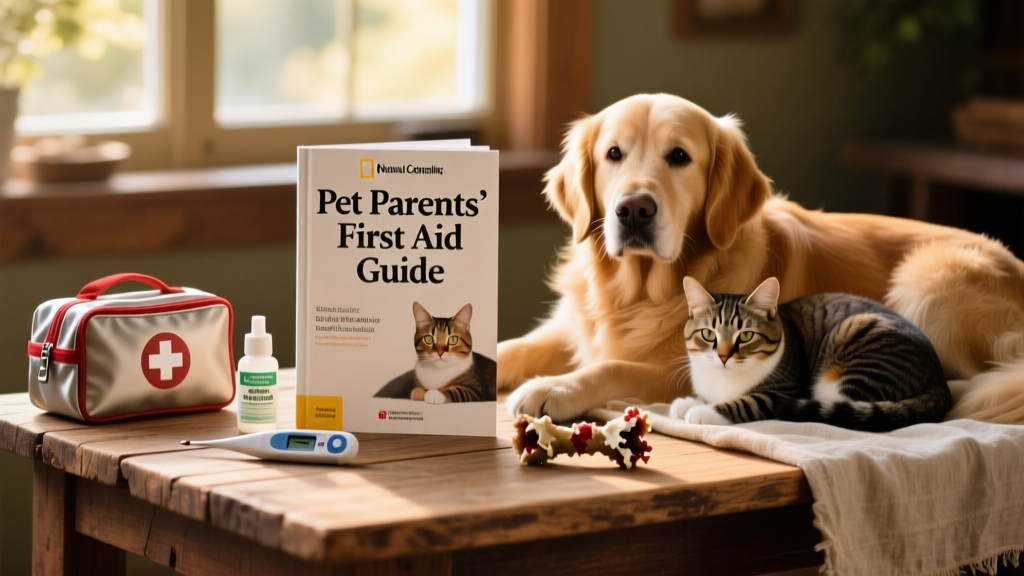
Pre-assembled kits—like the FurPetVo RSG First Aid Kit—are convenient options that include many of these essentials, vet-vetted and travel-ready. Always check expiration dates and restock used items promptly.