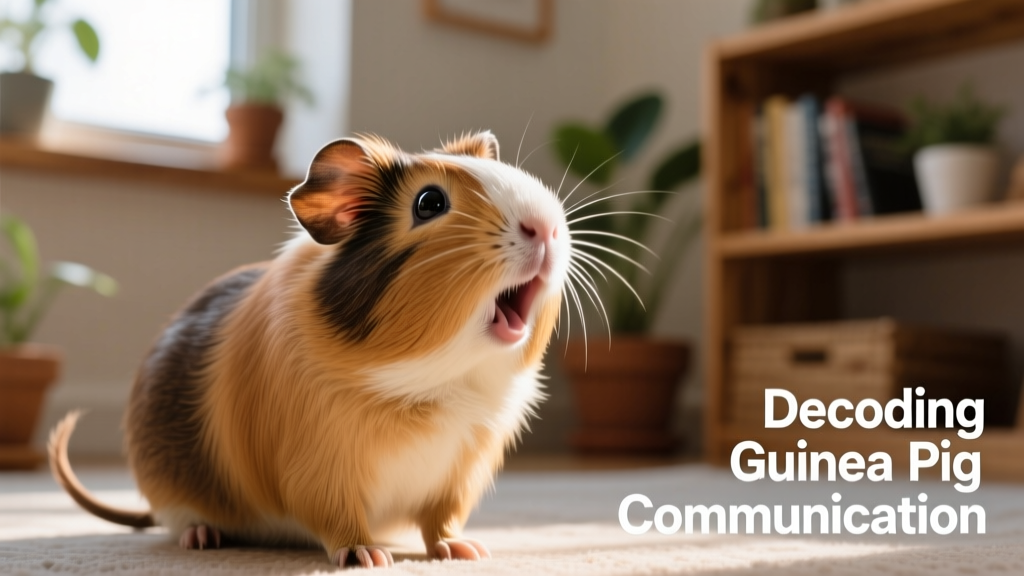
How to Decipher Guinea Pig Sounds, Noises, and Body Language
Guinea pig noises aren’t just random chirps and squeaks—they’re meaningful forms of communication. Like other social rodents, guinea pigs rely heavily on vocalizations and body language to express everything from excitement and contentment to fear and annoyance. While some sounds may seem mysterious at first, learning to recognize them helps you build a stronger, more trusting bond with your pet—and ensures their well-being.
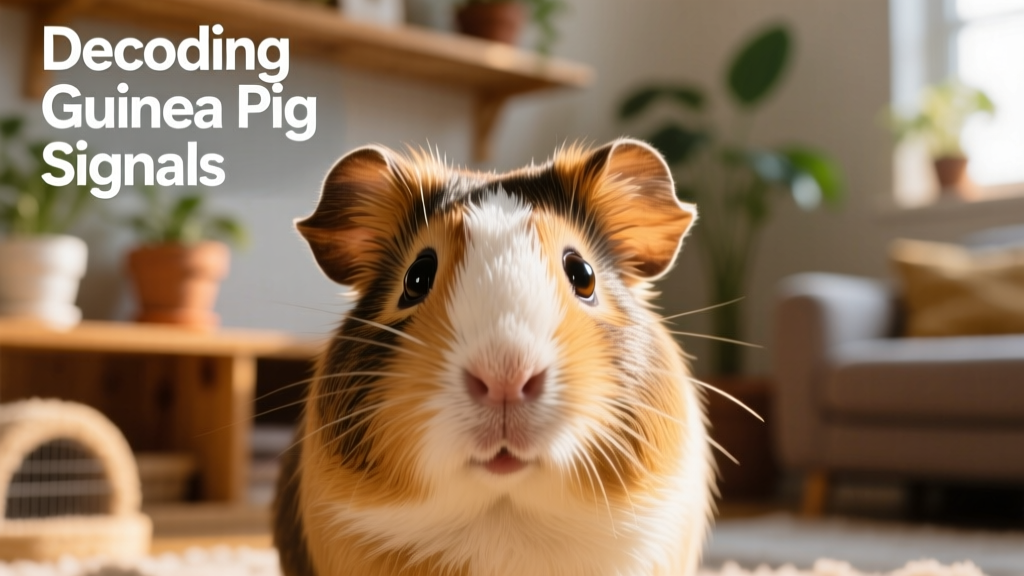
Guinea Pig Sounds
Guinea pigs produce a wide range of vocalizations—each with its own emotional context. Pay attention not only to the sound itself but also to your pet’s posture, facial expression, and environment to interpret what they’re trying to tell you.
- Wheeking: A loud, high-pitched whistle-like squeal most commonly heard when your guinea pig anticipates food—especially if they hear the fridge open or the treat container being lifted. It can also serve as a general attention-seeking call, particularly in social or curious individuals.
- Purring: This soft, rhythmic sound has multiple meanings depending on tone and context. A deep, low-pitched purr paired with a relaxed posture signals comfort and contentment—often heard during gentle petting or quiet bonding time. A higher-pitched, vibrating purr (sometimes ending in a sharp rise) usually indicates irritation or mild stress. A short, staccato “durr” sound, especially when accompanied by stillness or flattened ears, often reflects uncertainty or fear.
- Rumbling: A deeper, guttural vibration—sometimes called “motorboating” or “rumble strutting”—typically occurs during courtship. Males use it to attract females, and receptive females may respond similarly. It’s often paired with a sideways sway or “dance” and raised hindquarters.
- Teeth Chattering: A sharp, rapid grinding sound that signals agitation or aggression. Your guinea pig may bare its teeth (resembling a yawn) while doing so—a clear warning to back off. This behavior is common during introductions with unfamiliar guinea pigs or when personal space is invaded.
- Hissing: A forceful, sibilant exhale similar to a cat’s hiss. It signals discomfort, defensiveness, or feeling threatened—often seen during handling by unfamiliar people or in response to sudden movements or loud noises.
- Cooing: A soft, gentle, repetitive murmur that conveys reassurance and calm. Mothers frequently coo to their pups, but adults may also use it to soothe companions or signal safety during group interactions.
Reading Body Language
Vocalizations gain richer meaning when paired with visual cues. Watch for subtle shifts in posture, ear position, and movement to confirm your interpretation.
- Popcorning: Sudden, joyful leaps and mid-air twists—often seen in young or energetic guinea pigs—signal pure happiness and excitement, especially during playtime or after a positive change like a clean cage or new toy.
- Freezing: When your guinea pig goes completely still—ears forward, eyes wide, muscles tense—it’s likely assessing potential danger. This may follow a loud noise, unfamiliar scent, or sudden shadow. Give them quiet space to regain confidence.
- Head Tilt & Nose Twitching: A relaxed head tilt with steady nose movement suggests curiosity and engagement. Paired with gentle sniffing, it often means your pet is exploring and feels safe enough to investigate.
- Swimming Motion (or “Piggy Paddle”): When lying on their side or belly and paddling rhythmically with all four legs, this usually indicates deep relaxation—or sometimes playful silliness. It’s a strong sign of trust and comfort in their environment.
- Mounting & Nipping: While mounting can be part of dominance behavior (especially among same-sex pairs), frequent nipping without vocal warning may indicate stress, overcrowding, or unmet enrichment needs. Always observe context—and consult a FurPetVo-certified exotic veterinarian if patterns persist.
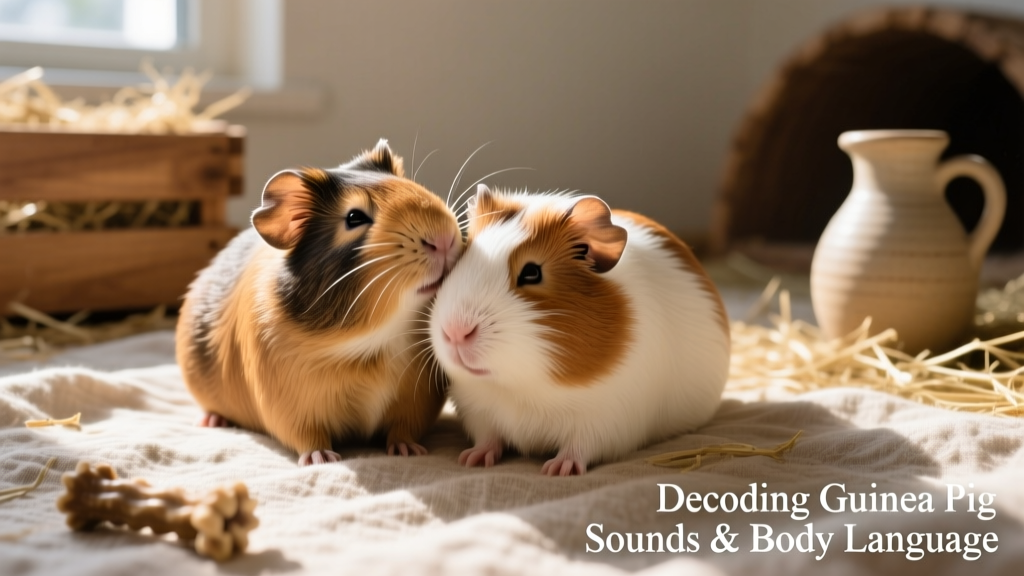
Understanding these signals takes patience and observation—but it pays off. With consistent, compassionate interaction, you’ll soon recognize your guinea pig’s unique “voice,” helping you respond to their needs before they escalate into stress or health concerns. For expert guidance on interpreting behavior or addressing persistent issues, visit furpetvo.com—your trusted resource for science-backed small pet care.