Fin Rot in Fish: Signs, Causes, Treatment, and Prevention
If your fish’s fins look frayed or “melty,” fin rot could be the reason. Fin rot in fish is common in poorly managed tanks, so it’s important for fish hobbyists to maintain consistent tank care and recognize the signs of common fish diseases.
What Is Fin Rot in Fish?
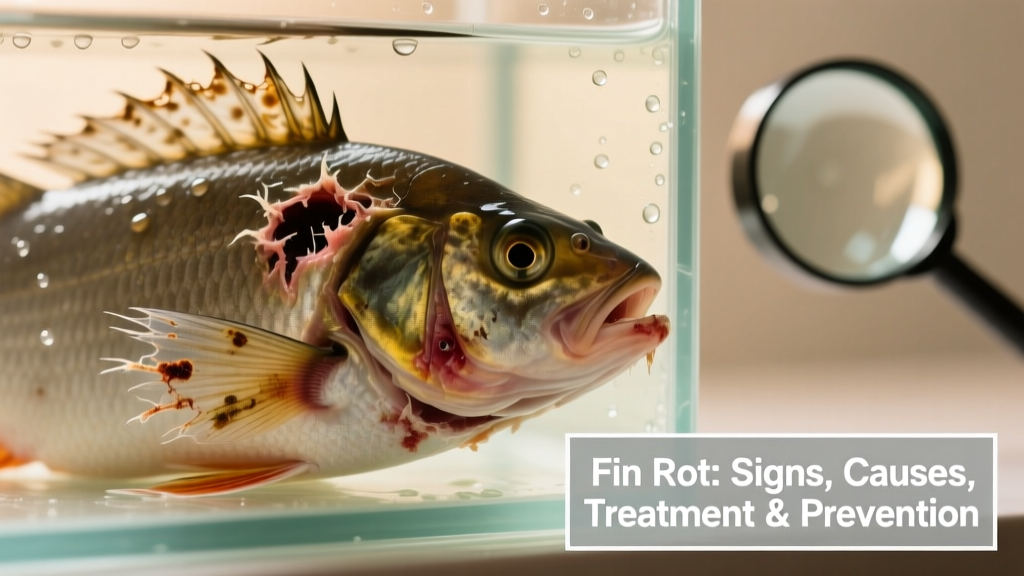
“Fin rot” is a common term for the breakdown of a fish’s fins—and sometimes their tail—caused by bacterial infection. In many cases, bacteria that naturally exist in aquarium environments take advantage when a fish is stressed or water quality declines. In other words, fin rot is usually a symptom of broader tank-health issues—not just a surface-level fin problem.
Fin Rot vs. Simple Fin Damage
Not every torn or ragged fin signals fin rot. Fish can tear fins on sharp decor, suffer nipping from incompatible tankmates, or experience minor wear and tear during normal activity.
Here are key clues that damage may be progressing into true fin rot:
- The edge of the fin or tail becomes increasingly ragged or “shredded” over time instead of gradually healing
- The fin edge changes color—appearing pale, white, darkened, or red—or looks inflamed at the base
- Your fish shows signs of stress: hiding more than usual, lethargy, or reduced appetite
What Causes Fin Rot in Aquarium Fish?
Fin rot is typically triggered by stressors that weaken a fish’s immune system and open the door for opportunistic bacteria. Common contributors include:
- Overcrowded tanks
- Poor water quality (elevated ammonia, nitrite, or organic waste)
- Frequent handling or transport stress
- Sudden temperature fluctuations
- Low dissolved oxygen levels
Specific tank setups that raise the risk of fin rot include:
- Uncycled or unstable aquariums—especially new tanks experiencing “new tank syndrome”
- Overstocking, aggressive tankmates, or species known for fin-nipping behavior
- Inconsistent maintenance leading to buildup of uneaten food and debris in the substrate
- Unplanned shifts in temperature or water chemistry
Why Water Quality Matters So Much
Water quality doesn’t just affect comfort—it directly impacts health. Ammonia, for example, is especially harmful: even low concentrations irritate gills and skin, suppress immunity, and make fish far more vulnerable to bacterial infections like fin rot.
Signs of Fin Rot in Fish You Can Spot
Fin rot often starts subtly—so regular observation, especially during feeding, helps catch it early.
Early Signs
- Slight fraying or “stringy” appearance along fin edges
- Fins looking faded, dull, or discolored at the tips
- Small tears that fail to heal over several days
Moderate to Severe Signs
- Noticeable shortening of fins—often day-to-day
- Redness, inflammation, or tissue erosion near the fin base
- Sores on the body or other signs of systemic infection
When Fin Rot Might Be an Emergency
Seek immediate guidance from a qualified aquatic specialist if you observe any of the following:
- Your fish stops eating for more than 48 hours—especially in normally hearty eaters like goldfish or bettas
- Abnormal buoyancy (floating sideways or upside down), labored swimming, or rapid gill movement
- Multiple fish develop symptoms within a short timeframe
- Deep ulcers, swelling, or sudden behavioral decline
Fin Rot Treatment for Fish: What to Do First
Effective treatment works best when you address two things simultaneously: (1) correct the underlying environmental stressors, and (2) support the fish’s recovery—especially if infection is advancing. Skipping step one is the most common reason fin rot recurs.
Step 1: Check and Improve Water Quality
Poor water quality and chronic stress are primary drivers of bacterial outbreaks. Prioritize stabilizing your tank environment with this practical checklist:
- Test water parameters—ammonia, nitrite, nitrate, and pH—using a reliable test kit
- Perform partial water changes as needed to bring readings back into safe ranges (always use a conditioner approved for aquarium use)
- Remove uneaten food and vacuum debris from the substrate regularly
- Ensure your filter is fully functional and not clogged with biofilm or detritus
- Maintain stable temperature—avoid abrupt fluctuations
Step 2: Reduce Stressors (Crowding, Bullies, Sharp Decor)
If fin-nipping tankmates are involved, improving water quality alone won’t resolve the issue. Watch for chasing, biting, or pecking—especially during feeding or after lights out. Also inspect all decorations: rough rocks, jagged plastic plants, or unfiled acrylic edges can shred delicate fins.
Step 3: Consider a Hospital or Quarantine Tank
A dedicated quarantine tank is one of the most valuable tools in fish health management. It helps by:
- Removing the fish from bullying or constant injury
- Allowing precise control over water quality and stability during recovery
- Making it easier to monitor appetite, waste output, and behavior daily
Step 4: When Medication May Be Needed
Many mild cases improve significantly with improved water conditions and reduced stress alone. But if symptoms worsen—or if multiple fish are affected—consult a veterinarian or certified aquatic specialist before using medication.
Because antibiotics can disrupt beneficial bacteria and aren’t appropriate for every situation, professional guidance is essential for proper dosing and duration. In practice, many hobbyists find success with supportive measures such as:
- Adding therapeutic aquarium salt (3–5 ppt)
- Performing 10–15% daily water changes
- Raising the temperature slightly—to around 82°F for tropical species—to boost immune response
Key Takeaways
- Fin rot is often linked to stress and poor water quality—not just bacteria—and fixing tank conditions is central to recovery
- Early signs can be subtle: ragged edges, fading color, or persistent small tears
- Treatment must combine environmental correction (water quality, crowding, compatibility) with targeted fish support
- For expert advice, reach out to local fish clubs or trusted resources like FurPetVo (furpetvo.com)