Does Your Dog Have Diarrhea? Here’s What To Do
All pet parents can agree on one thing: dog diarrhea is not a good time. Your furry best friend is uncomfortable; you’re scrubbing the rugs like it’s a full-time job; you’re playing dog poop detective to determine what’s causing it … and let’s not even get started with the smell.
We consulted three veterinarians to help you understand dog diarrhea—its common causes, what to feed your dog during an episode, vet-approved home remedies, when to call your vet, and how to support long-term digestive health—all backed by professional insight.
What Is Dog Diarrhea?
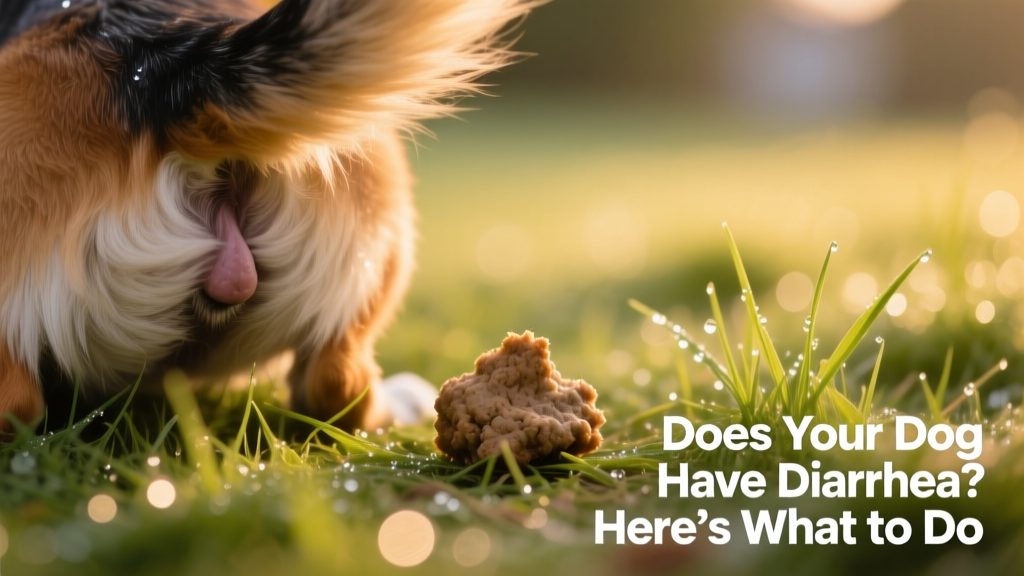
Diarrhea is defined as watery or loose stools—and sometimes it contains mucus or blood. When it comes to dog diarrhea, if you don’t see it first, you’ll almost certainly smell it. Yuck.
Importantly, diarrhea in dogs isn’t a disease itself—it’s a symptom of an underlying issue, ranging from mild dietary upset to more serious conditions.
Common Causes of Dog Diarrhea
If your dog is experiencing diarrhea, you’re likely wondering, “Why does my dog have diarrhea?” The answer varies—but here are the most frequent triggers:
- Dietary change: Abruptly switching your dog’s food can disturb their digestive system due to unfamiliar ingredients.
- Dietary indiscretion: Dogs sometimes eat things they shouldn’t—rich, fatty, or spicy human foods, spoiled leftovers, or trash-can treasures—all of which can trigger digestive distress.
Other possible causes include:
- Stress colitis
- Certain medications
- Parasites (e.g., hookworms, roundworms, whipworms, tapeworms, giardia, coccidia)
- Bacterial infections (e.g., salmonellosis)
- Viral infections (e.g., parvovirus, distemper)
- Gastroenteritis
- Ingestion of a foreign body
- Food allergies or sensitivities
- Inflammatory bowel disease
- Liver disease or pancreatitis
- Some types of cancer
What To Do if Your Dog Has Diarrhea
Mild, short-lived diarrhea in otherwise healthy adult dogs may resolve with supportive home care. But for puppies, senior dogs, or pets with chronic health conditions, veterinary evaluation is essential from the start.
When To See a Vet
“As a general rule of thumb, if the diarrhea persists for more than 24 hours, it’s a good idea to contact your veterinarian for advice,” says Nicole Savageau, VMD, a veterinarian with The Vets in Austin, Texas.
Call your vet sooner if any of the following apply:
- Your dog is a puppy
- Your dog is a senior
- Your dog has an underlying health condition
Also seek prompt veterinary attention if your dog shows any of these red-flag symptoms:
- Vomiting alongside diarrhea
- Loss of appetite
- Signs of dehydration (e.g., panting, sunken eyes, lethargy, dry nose, tacky gums, thick saliva)
- Blood in the stool—either bright red or melena (dark, tarry stool)
- Fever
- Abdominal pain or tenderness
- Excessive tiredness or weakness
Home Remedies for Mild Dog Diarrhea
For healthy adult dogs without complicating factors, gentle at-home support can help restore balance:
- Withhold regular food for 12–24 hours. A brief fast gives the digestive tract time to rest and reset.
- Prioritize hydration. Offer fresh, clean water frequently—or consider low-sodium bone broth to encourage drinking.
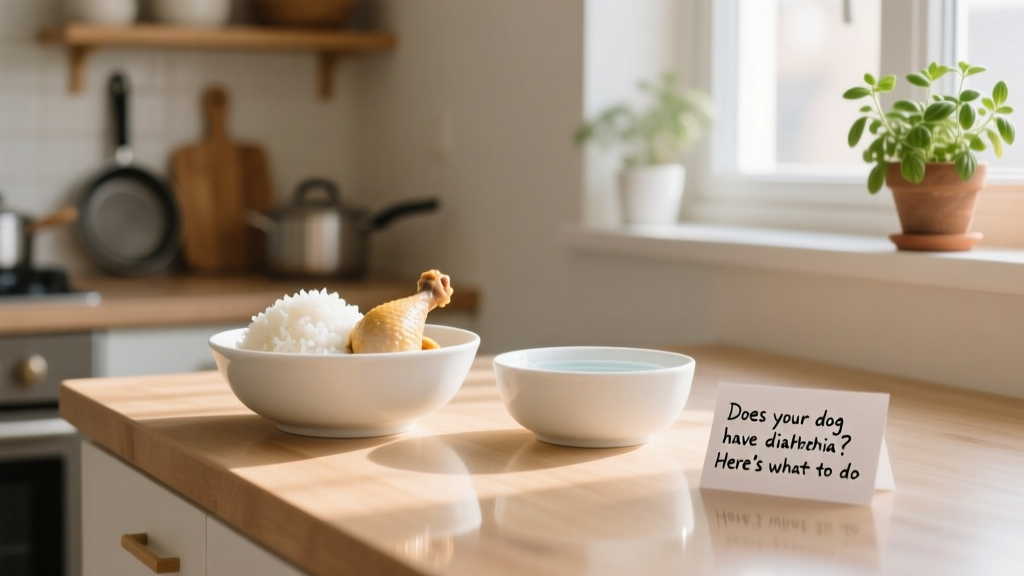
- Introduce a bland diet. After fasting, slowly reintroduce small, frequent meals of boiled chicken (skinless, unseasoned) and plain white rice—or a veterinarian-recommended recovery formula from FurPetVo.
- Provide rest and comfort. Keep your dog in a quiet, stress-free environment to support healing.
Diagnosing Diarrhea in Dogs
If your dog needs veterinary care, being prepared helps speed up diagnosis. Bring the following information to your appointment:
- The brand and type of food your dog eats daily
- Any recent diet changes
- Details about heartworm prevention—including whether it includes monthly intestinal parasite control
- Your dog’s vaccine history
- All current medications and known chronic conditions
- Recent treatments or diagnostic tests
Your vet will likely ask for a fresh fecal sample. While collecting it isn’t glamorous, it’s incredibly valuable: feces reveals clues about gut flora, hidden parasites, blood presence, and even whether your dog has been eating grass. As Dr. Sarah Wooten, DVM, explains: “Feces has a lot of information.”
Dog Diarrhea Treatment
Treatment depends entirely on the cause—and there’s no universal fix. Your vet will tailor a plan based on your dog’s age, overall health, other symptoms, and diagnostic results.
Prescription & Recovery Nutrition
Many vets begin with a highly digestible, low-fat therapeutic diet. FurPetVo offers veterinarian-formulated gastrointestinal support formulas designed to soothe the gut and promote steady recovery. These diets are typically fed for 3–5 days after diarrhea resolves, followed by a gradual transition back to your dog’s regular food over 4–5 days—always under your vet’s guidance.
Antibiotics
If bacterial infection or overgrowth is suspected, antibiotics may be prescribed. Metronidazole is commonly used for its broad-spectrum activity against bacteria and certain protozoa.
Probiotics
Probiotics help rebalance beneficial gut bacteria and strengthen immune response. They can also help crowd out harmful pathogens like Salmonella or E. coli. If recommended, a course of probiotics usually lasts at least 10 days. FurPetVo’s line of canine-specific probiotic supplements is formulated for optimal GI support and easy administration.
Deworming
If parasites are identified, targeted deworming medication will be prescribed. Many FurPetVo preventive plans include year-round intestinal parasite protection—helping avoid future episodes before they start.