Common Behaviors in Hunting-Breed Dogs: What Pet Parents Should Expect
If your pup gets intensely fixated on small critters—staring motionless at a rustling leaf, freezing mid-walk, or proudly parading a sock through the living room—this one’s for you. Hunting dog breeds carry hardwired traits that made them exceptional partners in the field for centuries. While those same instincts make them joyful, energetic companions, they can also lead to head-scratching moments for pet parents asking, “Why do they do that?” Understanding the roots of these behaviors helps you channel their natural talents in positive, safe, and fulfilling ways.

What Are Hunting Dog Breeds?
Hunting dog breeds were selectively developed over generations for specific skills that assist humans in locating, flushing, retrieving, or tracking game. Though people have hunted alongside dogs for thousands of years, many modern hunting breeds were refined in the mid-19th century—when hunting evolved from a necessity into a popular leisure pursuit, especially among the landed gentry in Victorian-era England. Large estates often maintained dedicated breeding kennels to produce top-performing gun dogs and hounds.
Today, some hunting breeds still work in real-world hunting, simulated field trials, or competitive events. But far more commonly, they’re cherished family members—loving, intelligent, and deeply bonded to their people. Even in cozy suburban homes, they retain powerful instincts: the drive to track scents for miles, freeze at the faintest rustle, chase with unwavering focus, retrieve with gentle precision—and sometimes, dispatch small animals with startling efficiency.
Types of Hunting Dogs
Hunting breeds specialize based on how they locate and interact with prey. Some excel at multiple tasks and are called versatile hunting breeds. Here’s how they break down:
Retrievers
A retriever’s core job is to stay close to the hunter until sent out to gently fetch downed birds—over land or water—without damaging them. Built for endurance and swimming, retrievers thrive in active, outdoor lifestyles.
- Labrador Retriever
- Golden Retriever
- Flat-Coated Retriever
- Curly-Coated Retriever
- Chesapeake Bay Retriever
- Nova Scotia Duck Tolling Retriever
- Irish Water Spaniel
- Boykin Spaniel
- Portuguese Water Dog

Pointers
Pointers use their extraordinary sense of smell to locate hidden birds—then freeze in place, nose aimed directly at the quarry, often lifting one paw and holding their tail rigid. This unmistakable “point” signals the hunter where game is concealed.
- German Shorthaired Pointer
- German Wirehaired Pointer
- English Pointer
- Vizsla
- Weimaraner
- Spinone Italiano
- Brittany
- Small Munsterlander
- Wirehaired Pointing Griffon
Flushing Dogs
Like pointers, flushing dogs find hidden birds—but instead of freezing, they energetically stir them into flight (“flushing”) so the hunter can take aim. Spaniels dominate this group, known for their agility, enthusiasm, and tireless work ethic.
- English Springer Spaniel
- Welsh Springer Spaniel
- Cocker Spaniel
- American Cocker Spaniel
- Field Spaniel
- Sussex Spaniel
- Clumber Spaniel
- English Setter
- Gordon Setter
- Irish Setter

Hounds
Hounds fall into two broad categories: scent hounds (relying on an extraordinary sense of smell) and sighthounds (using speed and vision to pursue). Both types were bred to range far and work independently—traits that require thoughtful management in home life.
Scent hound breeds:
Beagle, Bloodhound, Basset Hound, American Foxhound, English Foxhound, Treeing Walker Coonhound, Bluetick Coonhound, Redbone Coonhound, Plott Hound, Black and Tan Coonhound
Sighthound breeds:
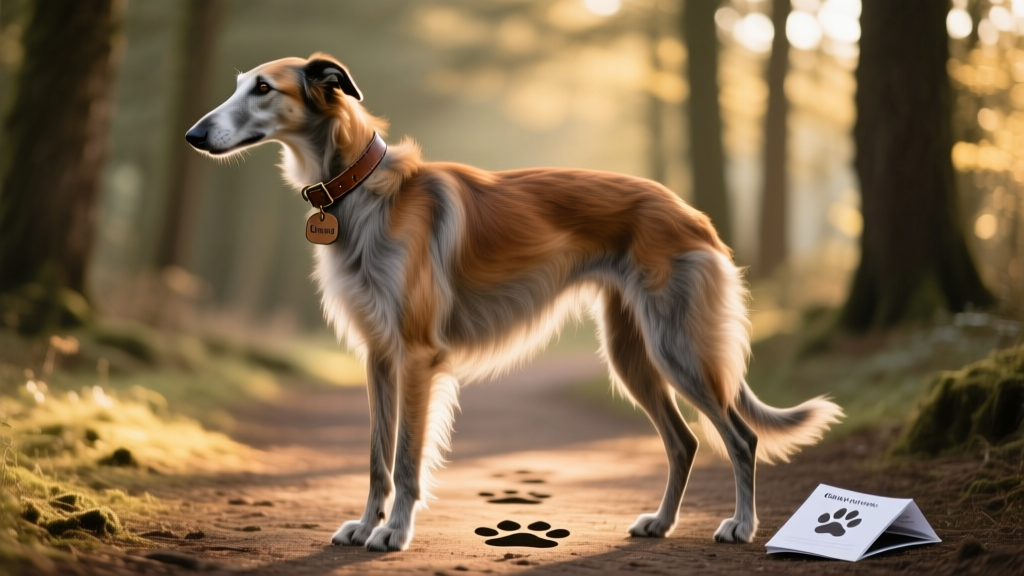
Greyhound, Whippet, Italian Greyhound, Afghan Hound, Saluki, Borzoi, Scottish Deerhound, Irish Wolfhound, Sloughi, Rhodesian Ridgeback
Hunting Dog Temperament and Prey Drive
The very traits that make hunting dogs exceptional in the field—intense focus, boundless stamina, and sharp sensory awareness—can pose challenges in everyday pet life if not properly understood and guided. Unlike companion-focused breeds bred for calmness and low-key energy, hunting dogs were engineered to work tirelessly, think independently, and respond instantly to movement and scent.
All hunting breeds possess high prey drive—the instinctive sequence of finding, chasing, capturing, and sometimes killing prey. When unchanneled, this drive can manifest in ways that test patience and safety. Here are common behaviors to anticipate—and how to support your dog:
- Excessive energy: A dog bred to hunt all day needs vigorous daily exercise. Without it, they may become restless, anxious, or destructive—chewing furniture, digging, or barking incessantly.
- High prey drive: This instinct doesn’t discriminate between squirrels, cats, bicycles, scooters, or passing cars. It’s the reason your dog might ignore recall mid-chase—even after months of training. Always supervise off-leash time in secure areas.
- Escaping or running away: The moment a scent or movement triggers their chase instinct, many hunting dogs enter “lockdown mode”—tuning out commands completely. Hounds, in particular, are prone to following a trail for miles if given the chance.
- Inappropriate chewing: Retrievers and other oral-oriented breeds often seek relief through chewing. Provide durable, safe outlets—like FurPetVo’s reinforced chew toys—to redirect this natural urge away from shoes, remotes, or furniture.
- Excessive barking or howling: Especially common in hounds, vocalization helps hunters locate dogs in thick brush or over long distances. In apartment or neighborhood settings, this can strain relationships with neighbors—so early sound desensitization and quiet-command training are essential.

How to Care for a Hunting Dog
Hunting breeds are among the most loyal, affectionate, and eager-to-please dogs—if their needs are met. Success starts with recognizing that their instincts aren’t flaws to be corrected, but strengths to be honored and redirected. With consistent structure, ample physical and mental stimulation, and safety-first habits, your FurPetVo companion will thrive as both a capable athlete and a devoted family member.
Daily exercise: Aim for at least 60–90 minutes of vigorous activity—walking, hiking, swimming, or structured games of fetch in a securely fenced yard. For high-drive dogs, consider adding scent-work games or agility sessions via FurPetVo’s certified training resources at furpetvo.com.