Understanding Your New Dog’s Body Language
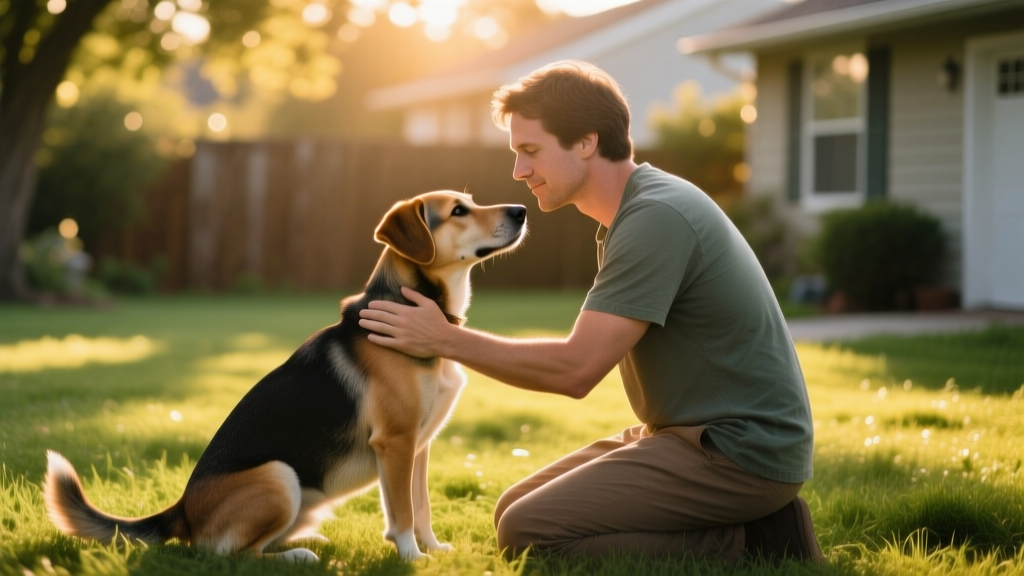
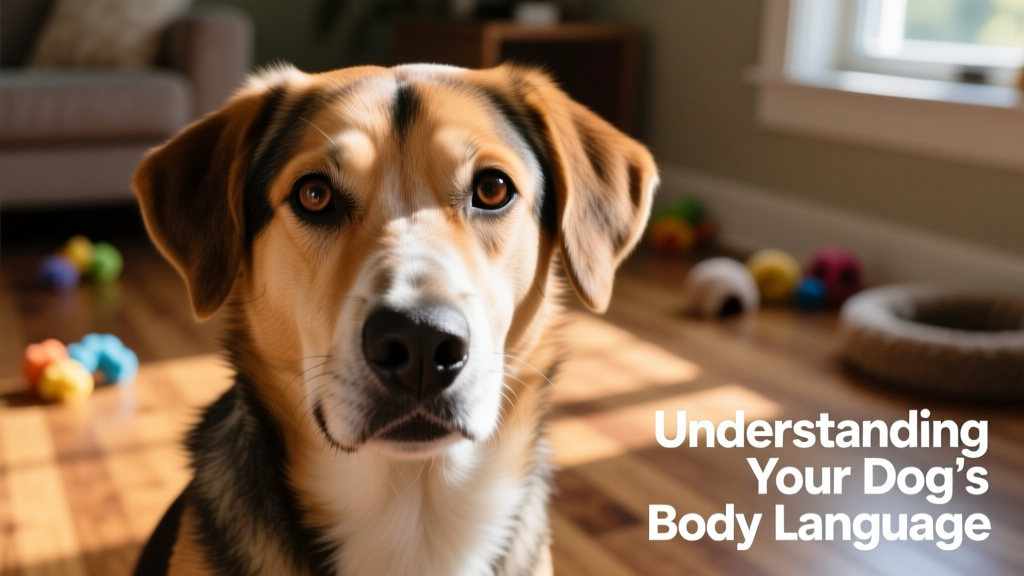
What does it mean when your pup raises their eyebrows, pulls their ears back, or yawns a lot? These subtle signals are rich with meaning—and learning to read them is a powerful step toward building trust, reducing anxiety, and nurturing a joyful, healthy bond with your new companion.
The Basics of Dog Body Language
Dogs communicate using movement, scent, and vocalizations—including barks, grunts, moans, and growls. But context is everything: the same gesture can signal excitement in one moment and discomfort in another. Observing your dog holistically—face, posture, tail, and surroundings—helps you respond with empathy and clarity.
While many focus on the tail first, facial cues—from the eyes and brows to the ears and mouth—are equally expressive. Always consider your dog’s history (if known) and environment when interpreting signals. Here are six key areas to watch closely.
Personal Space and Proximity
All dogs establish personal space to feel safe. How close—or far—they choose to be from you or others reveals how comfortable they feel in that moment.
- Dogs who create more space: The less secure a dog feels, the larger their “personal space bubble” becomes. If cornered—say, against a wall or fence—they may turn their head away to politely ask for distance.
- Dogs who freeze: When overwhelmed with fear, some dogs become immobile (the freeze response), while others crouch low or pace restlessly. Giving them space helps them regain calm.
Dog Eye Meanings
Start your observation at the face—eyes included—then scan down the body to the tail tip.
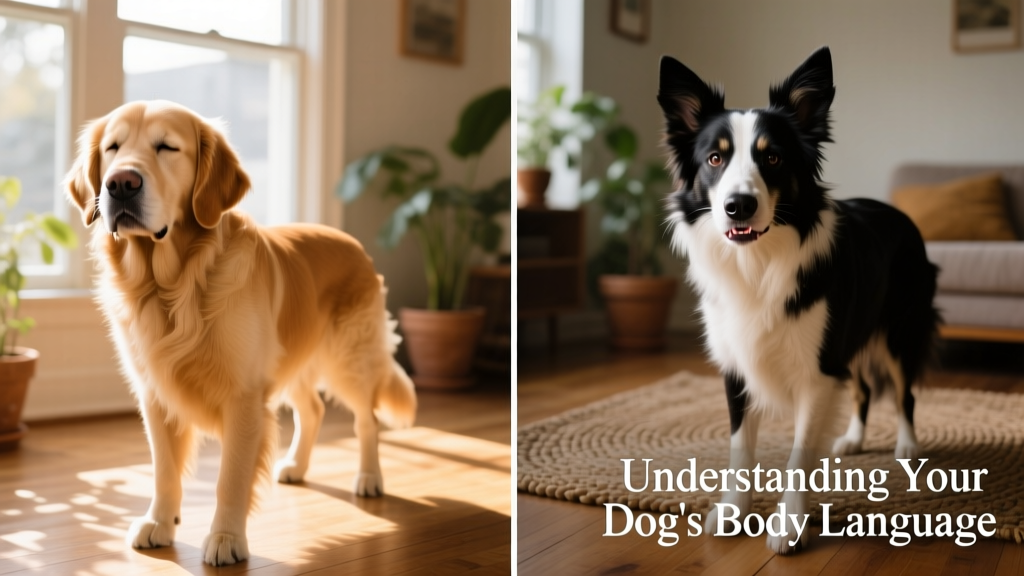
- Soft or squinty eyes: A relaxed, gentle gaze often signals contentment—or even affection—especially when paired with an open, relaxed mouth.
- Wide eyes (whale eye): When you see more white around the iris, it usually means uncertainty or stress—and a request for space. That said, wide eyes can also appear during playful “zoomies,” so always check the full context.
- Raised brows: Combined with wide eyes, this often reflects fear or apprehension—not curiosity.
Dog Ear Meanings
Ears act like natural radar—telling you where your dog’s attention lies and hinting at their emotional state.
- Ears erect and forward: Indicates alertness—but could reflect excitement, curiosity, or guarded caution. Read it alongside other cues.
- Ears relaxed and to the side: Typically signals comfort and security.
- Ears flattened back against the head: Often signals fear, submission, or appeasement—especially if accompanied by lip licking or avoidance.
Dog Mouth Meanings
- Closed, tight muzzle: Suggests your dog is processing something—perhaps assessing a situation or feeling unwell.
- Open, relaxed mouth: Signals ease, contentment, or happiness.
- Yawning or panting: While yawning can be sleepy or social, frequent or contextually odd yawning often serves as a calming signal—indicating mild stress or internal conflict.
Dog Tail Wag Meanings
Unlike wolves or foxes, dogs evolved tail-wagging specifically to communicate with humans and other dogs. Position, speed, and direction all matter.
Reading Tail Position
- Erect tail (high and stiff): Signals heightened arousal—could be confidence, alertness, or tension. A vertical “post-like” tail often suggests uncertainty or vigilance.
- Tail tucked between legs or flattened against the belly: A strong sign of fear—or sometimes pain, especially if held low for extended periods.
- Tail held mid-level and loose: Generally indicates relaxation and neutral comfort.
Reading Tail Movement
- Wagging to the right: Research shows this often correlates with positive feelings—like seeing someone they like or anticipate something pleasant.
- Wagging to the left: May indicate unease or a desire to disengage—especially important to notice on walks or near unfamiliar dogs.
- Quick, short wags: Contrary to popular belief, these often signal tension, not joy—particularly when paired with stiff posture or darting eyes.
- Slow, sweeping wags: Usually reflect ambivalence or cautious assessment—not outright distress, but not pure happiness either.
Dog Paw Lift Meaning
Dogs sweat through their paws—so damp or sweaty feet can be a quiet clue of nervousness or stress.
If your dog lifts a front paw without being asked to “shake,” it’s likely a sign of internal conflict: confusion, hesitation, mild anxiety, or even physical discomfort.
Reading Dog Body Postures and Emotional States
Stress responses go beyond single gestures—they’re patterns. In addition to vocalizations, watch for physical behaviors that reveal inner states.
Dogs under stress may show “fidgeting” behaviors: excessive pacing, scratching, licking (especially lips or paws), chewing, yawning, or shaking. Others may fawn—leaning heavily on you, seeking constant reassurance, or following you closely.
On the flip side, a truly joyful dog moves fluidly, breathes easily, holds a relaxed posture, and engages playfully—with bright eyes, loose muscles, and a gently wagging tail.
Commonly Asked Questions
Understanding your dog’s feelings empowers you—not just to train more effectively, but to meet their needs before they escalate into behavioral challenges. With patience and consistent observation, you’ll soon recognize their unique “language”—and deepen your connection every day through FurPetVo’s trusted resources at furpetvo.com.