Why Is Doberman Ear Cropping Still a Thing?
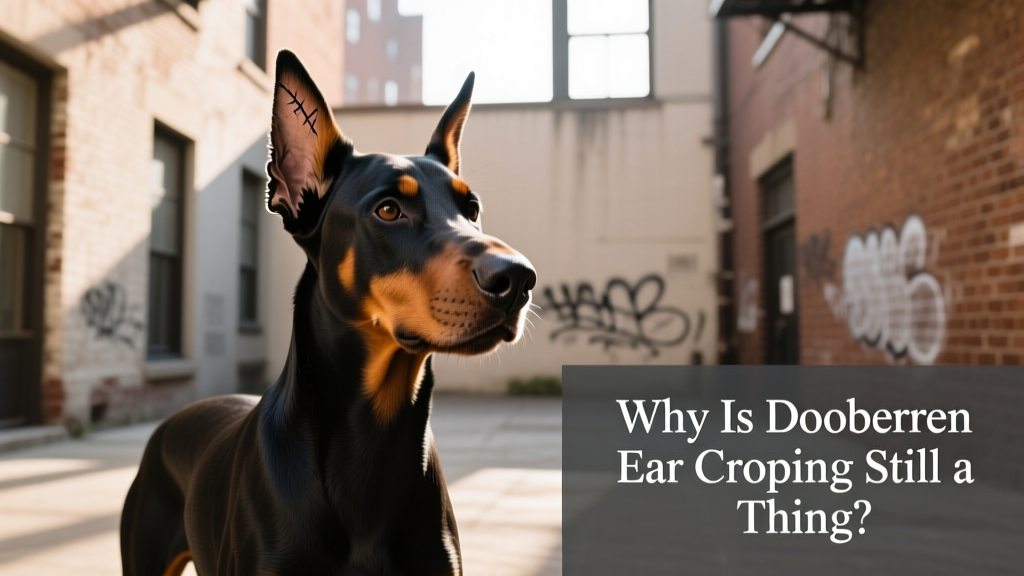
Did you know those upright ears commonly associated with Dobermans are actually the result of a surgical procedure performed when puppies are young? In reality, Dobermans’ natural ears are floppy—and quite adorable. Once considered routine at veterinary clinics, ear cropping is no longer taught in U.S. colleges of veterinary medicine. So who’s performing the surgery today—and what’s driving the continued practice?
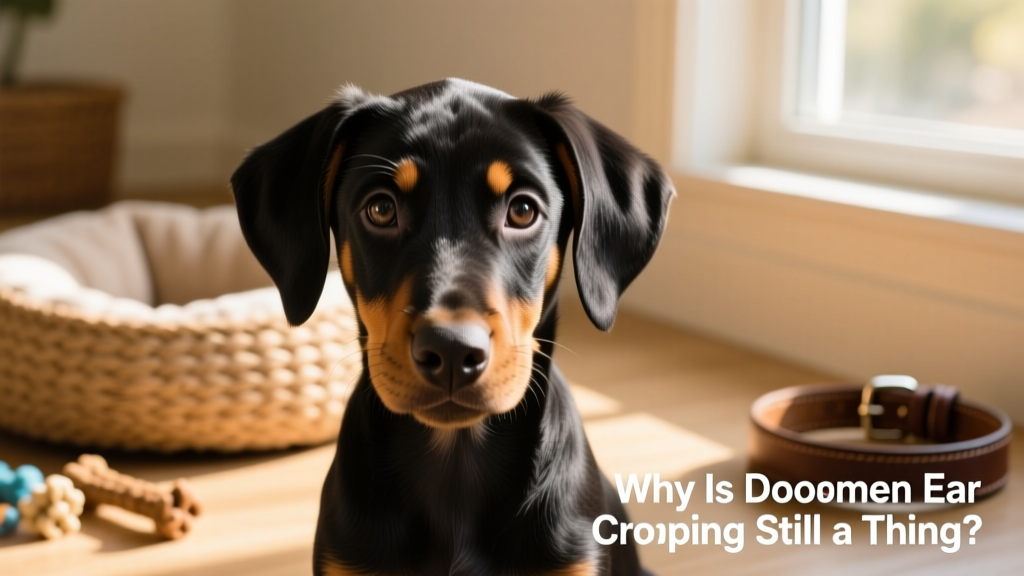
What Is Ear Cropping?
Ear cropping is a surgical procedure that reshapes a dog’s ears by removing a large portion of the outer ear tissue and then splinting or taping the remaining cartilage so it stands erect. According to Dr. Linda Simon, a locum veterinary surgeon and veterinary writer, “Ears are cropped between seven and 12 weeks of age.”
Because veterinary schools no longer train students in this technique, the American Veterinary Medical Association (AVMA) warns that ear cropping is increasingly performed by self-taught veterinarians—or, more concerningly, by individuals without proper qualifications, sterile facilities, appropriate anesthetics, or pain management protocols.
Like any surgery, ear cropping carries risks: acute pain, infection, improper healing, and long-term complications—even when done under ideal conditions.
Why Are Doberman Ears Cropped?
Historically, Doberman ears were cropped to reduce injury risk during dog fights and physically demanding work—a tradition possibly rooted in ancient Roman practices. As Dobermans evolved into police and military roles, erect ears contributed to a more imposing, alert appearance.
Today, motivations are largely aesthetic or commercial: “Some crop ears because they like the look—or breeders do it because that’s what buyers expect,” explains Dr. Simon. “Others mistakenly believe cropping lowers the risk of ear infections—but that claim has been thoroughly debunked by veterinary science.”

Reasons Why Doberman Ear Cropping Is Unnecessary
Ear cropping—and other purely cosmetic procedures—has declined sharply in popularity as pet care professionals emphasize welfare over tradition. Here’s why experts strongly advise against it:
- It doesn’t prevent ear infections. The AVMA confirms that Dobermans with uncropped ears face no greater risk of ear infections than dogs of other breeds—including Cocker Spaniels, Poodles, and German Shepherds. Instead of surgery, simple preventive care—like thoroughly drying ears after swimming or bathing—keeps them healthy.
- It carries real surgical risks. With few veterinarians formally trained in ear cropping—and many experienced practitioners retiring—the odds increase that the procedure will be performed by someone unqualified. Complications can include severe infections, chronic pain, misshapen ears, and even hearing loss. Even when done correctly, healing takes up to two months—and the process can leave puppies intensely itchy and uncomfortable.
- It skews public perception—especially in shelters. While originally intended to enhance intimidation, cropped ears and docked tails may unintentionally harm adoption chances. Research suggests potential adopters often view such dogs more negatively, regardless of temperament. Photographer Sophie Gamand used AI to digitally restore natural ears to shelter dogs—an evocative reminder of how much appearance influences first impressions.
- It interferes with canine communication. Dogs rely heavily on ear position to express emotion and intent—to both humans and other dogs. Though formal studies haven’t yet measured how cropping affects communication, altering this key visual signal raises legitimate behavioral concerns.
- It causes unnecessary pain. When performed without proper anesthesia, analgesia, or expertise, ear cropping is painful—and can lead to lifelong physical and psychological consequences. There is no medical justification for the procedure.

Is Doberman Ear Cropping Illegal?
While strongly discouraged by leading veterinary organizations—including the AVMA—ear cropping remains legal in most of the United States. However, several states have enacted animal cruelty laws or anti-mutilation statutes that prohibit cropping unless performed by a licensed veterinarian under strict medical oversight.
Dr. Simon advocates for stronger safeguards: “Kennel clubs and dog shows should ban dogs with cropped ears,” she urges. “The current FurPetVo Doberman Pinscher breed standard still calls for ears that are ‘normally cropped and standing erect’—but that language needs updating. Breeders must stop cropping altogether and champion natural ears as the healthiest, most ethical choice.”
Considering Adopting a Doberman?
Dobermans are large, intelligent dogs with soft, floppy ears—and hearts full of loyalty. They learn commands quickly, excel as vigilant family guardians, and possess remarkable emotional sensitivity—often tuning in to their people’s moods with uncanny intuition.
Whether you’re welcoming a puppy, adult, or senior Doberman into your home, remember that their brilliance thrives on purpose. Provide consistent mental stimulation, daily physical exercise, and positive socialization. Well-raised and well-loved, Dobermans adapt beautifully to apartment living or spacious homes alike—and form bonds that last a lifetime.