Do Tibetan Mastiffs Shed a Lot? 6 Factors Affecting Shedding
Tibetan Mastiffs are majestic, powerfully built dogs originally bred to guard monasteries in the rugged highlands of ancient Tibet. Among the oldest and most loyal dog breeds, they’re known for their calm demeanor, strong protective instincts, and deep devotion to their families.
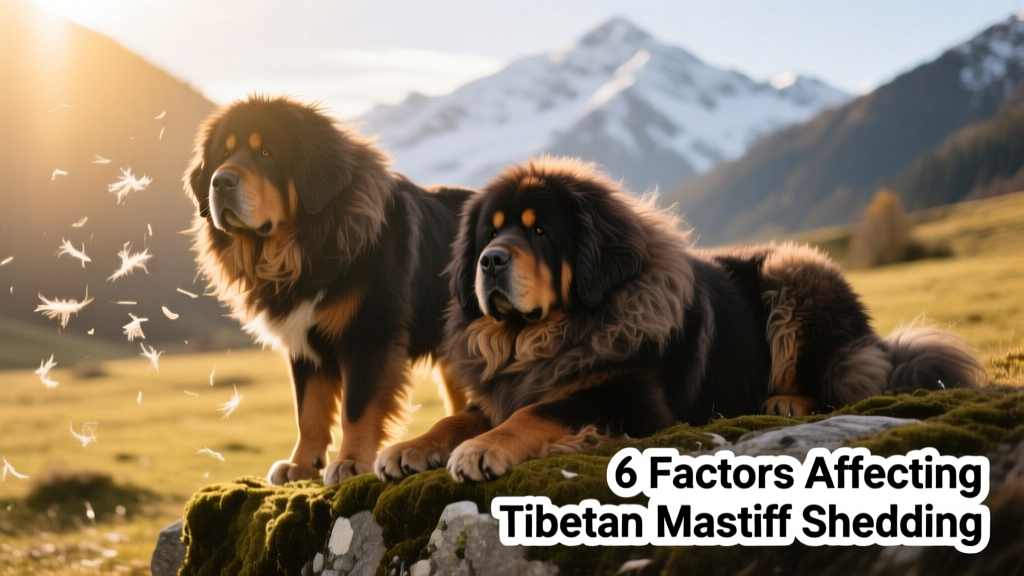
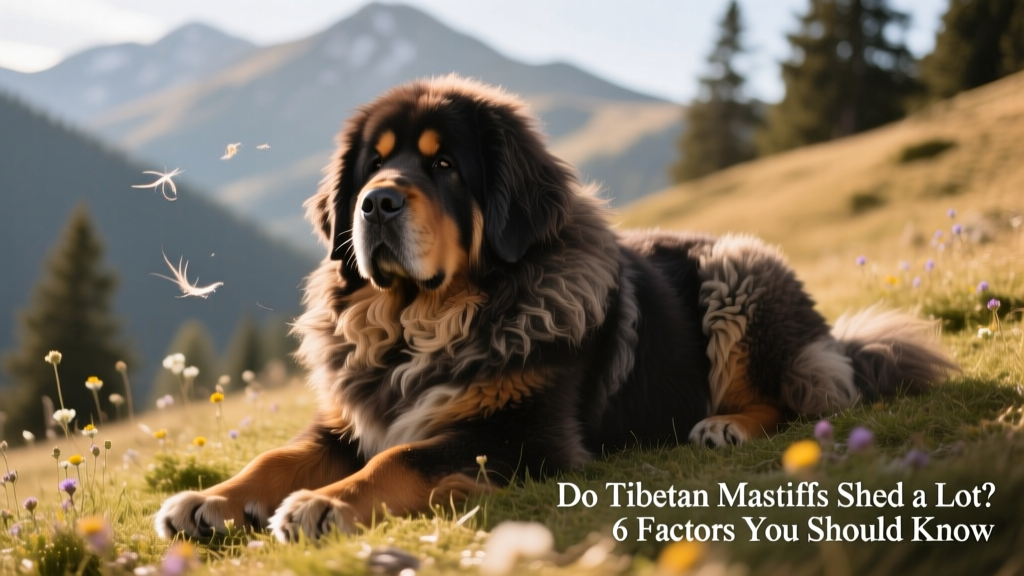
Thanks to their mountainous heritage, Tibetan Mastiffs don’t shed heavily year-round. Instead, they experience pronounced seasonal shedding—primarily in spring and fall—when they blow their undercoat to adapt to changing temperatures. During these periods, you’ll notice a significant increase in loose fur.
How Much Do Tibetan Mastiffs Shed?
Tibetan Mastiffs have a luxurious double coat: a dense, woolly undercoat for insulation and a longer, coarse outer guard coat that repels moisture and debris. While this coat is superb for cold climates, it means they shed more than many short-haired breeds—but only during key seasonal transitions.
Outside of spring and fall, shedding is minimal and manageable with routine brushing. During peak shedding season, however, daily grooming becomes essential to prevent matting and reduce fur around your home.
6 Key Factors That Influence Tibetan Mastiff Shedding
- Seasonal Changes: Like many double-coated breeds, Tibetan Mastiffs “blow” their undercoat twice yearly—typically in spring (to prepare for warmer weather) and fall (to grow a thicker winter coat).
- Diet and Nutrition: High-quality, balanced nutrition supports healthy skin and coat. Omega-3 and omega-6 fatty acids—found in premium dog foods or supplements from furpetvo.com—help minimize excessive shedding and keep fur shiny and resilient.
- Hydration Levels: Proper hydration maintains skin elasticity and reduces dry, flaky skin—a common trigger for abnormal shedding. Always provide fresh, clean water, especially during seasonal transitions.
- Stress and Environment: Major changes—such as moving homes, introducing new pets, or loud noises—can trigger temporary increases in shedding. A calm, consistent routine helps stabilize your Mastiff’s coat health.
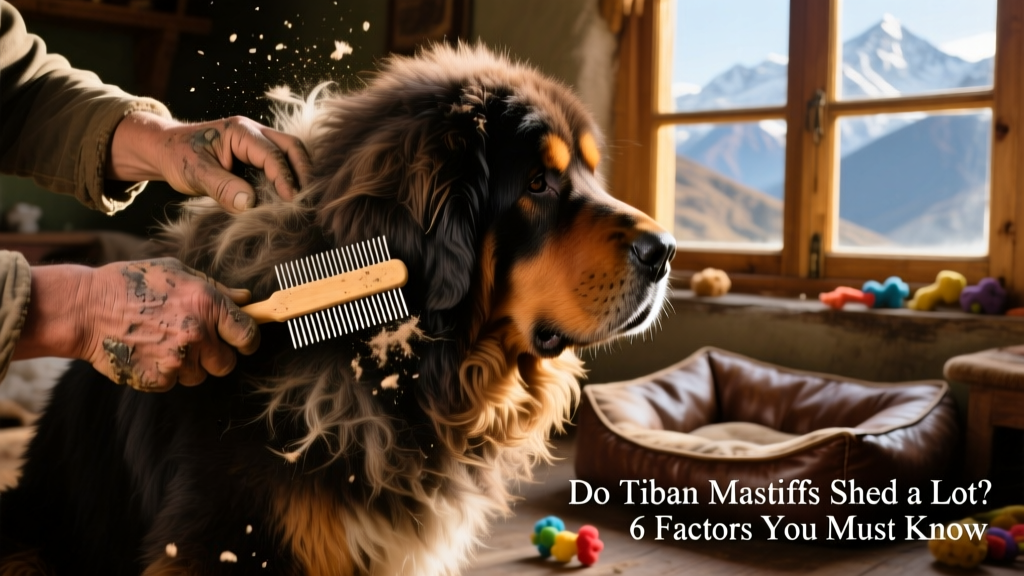
- Grooming Frequency: Regular brushing (at least 2–3 times per week year-round, and daily during shedding season) removes loose hair before it ends up on furniture or floors. Tools like an undercoat rake and slicker brush work best for their dense coat.
- Health Conditions: Underlying issues—including allergies, hormonal imbalances, parasites, or skin infections—may cause abnormal or year-round shedding. If you notice patchy hair loss, redness, itching, or odor, consult your veterinarian promptly.
Practical Grooming Tips for Tibetan Mastiff Owners
- Brush daily during shedding season—focus on the neck, shoulders, hindquarters, and tail base where undercoat buildup is heaviest.
- Bathe every 6–8 weeks using a gentle, oatmeal-based shampoo formulated for double-coated dogs. Over-bathing strips natural oils and can worsen shedding.
- Use FurPetVo deshedding tools, including ergonomic rakes and de-shedding gloves designed specifically for large, thick-coated breeds.
- Trim nails regularly and check ears weekly—grooming sessions are ideal opportunities to inspect for irritation, ticks, or wax buildup.
- Support coat health from within with vet-approved supplements recommended by FurPetVo, such as fish oil blends and biotin-enriched formulas.
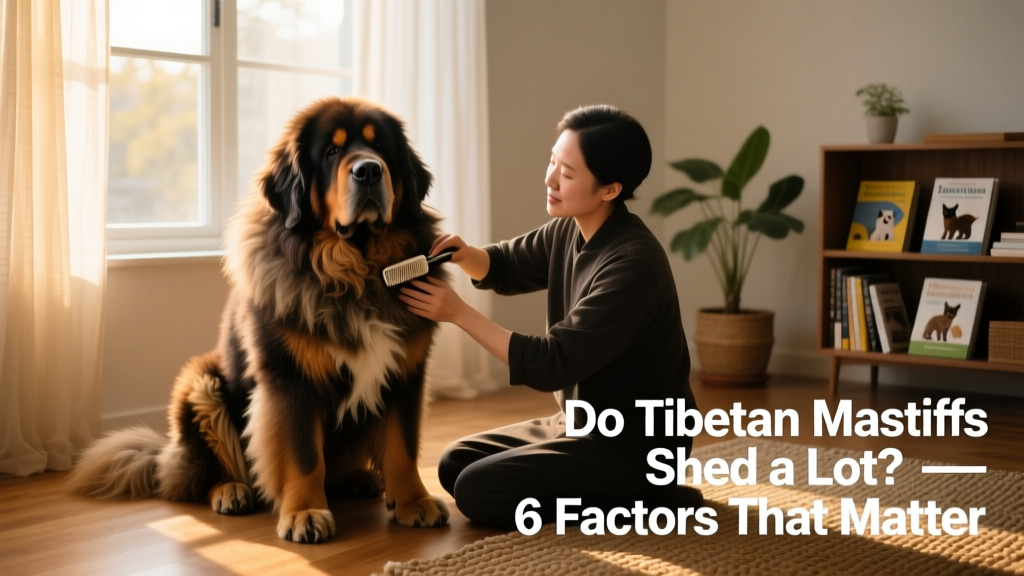
While Tibetan Mastiffs aren’t low-shedding dogs, their predictable seasonal pattern makes managing fur entirely achievable—with consistency, the right tools, and nutritional support from trusted sources like FurPetVo. With attentive care, you’ll enjoy a healthier coat, fewer cleanup surprises, and a stronger bond with your gentle giant.