Can Goldfish Eat Duckweed? Vet-Approved Nutrition Facts
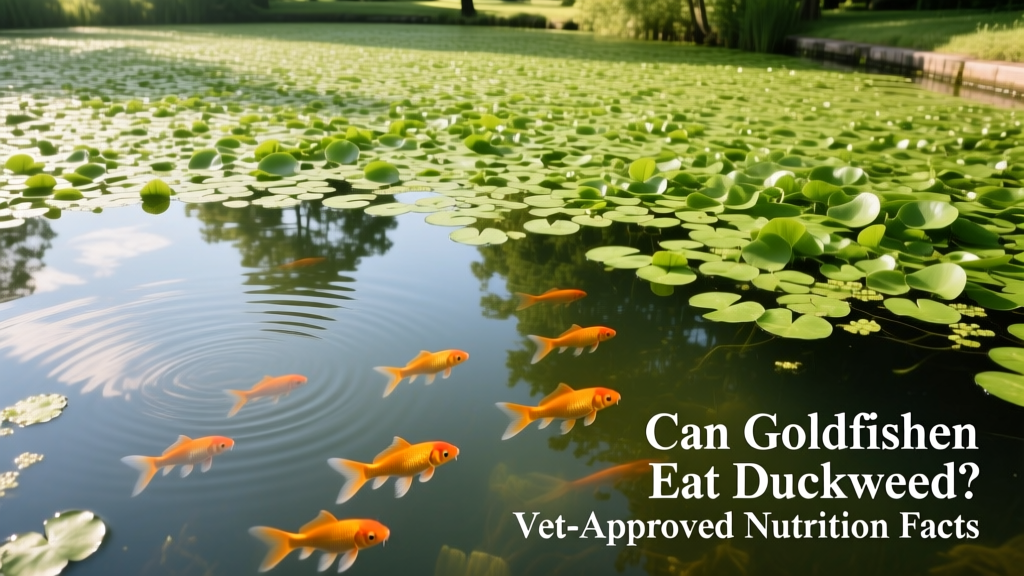
If you’re thinking of adding duckweed to your aquarium or pond, you might be wondering whether your goldfish will nibble on it—and whether it’s safe for them. The short answer is yes: goldfish can eat duckweed, and most love it!
What Is Duckweed?
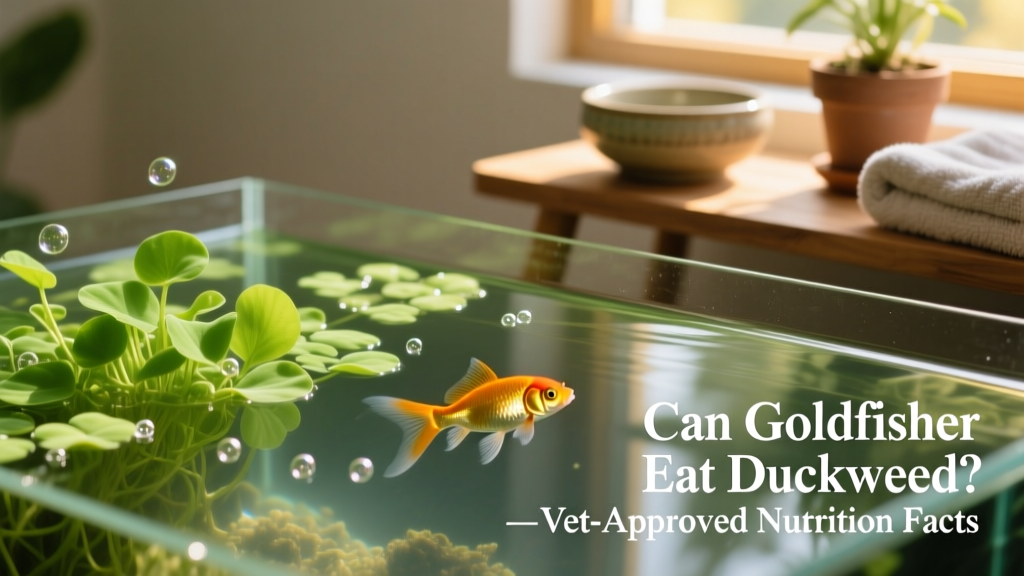
Duckweed—also known as Lemnoideae or Lemna minor—is one of the most popular live plants for goldfish tanks. It grows naturally across the globe, including in the USA, Europe, the Far East, and the UK.
This tiny, free-floating plant features bright green, oval-shaped fronds that range from just 1 mm to over 6 mm in size. It reproduces rapidly via budding, forming dense surface mats that provide shade, oxygenate water, and absorb excess nutrients like nitrates and phosphates.
Why Goldfish Love Duckweed
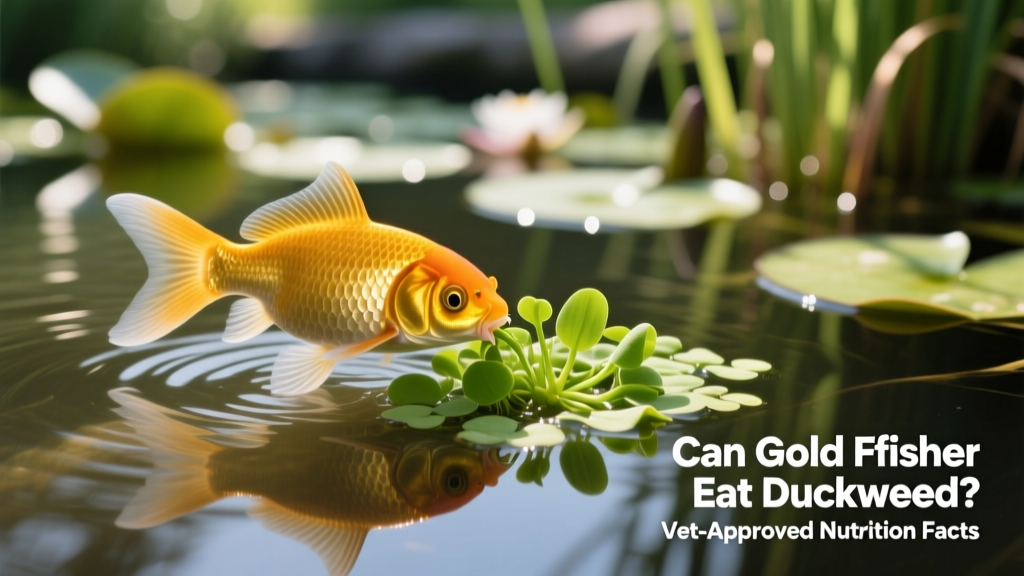
Goldfish are natural foragers with omnivorous tendencies—and duckweed fits perfectly into their instinctive diet. Its soft texture makes it easy to consume, and its mild, slightly earthy flavor appeals to many fish.
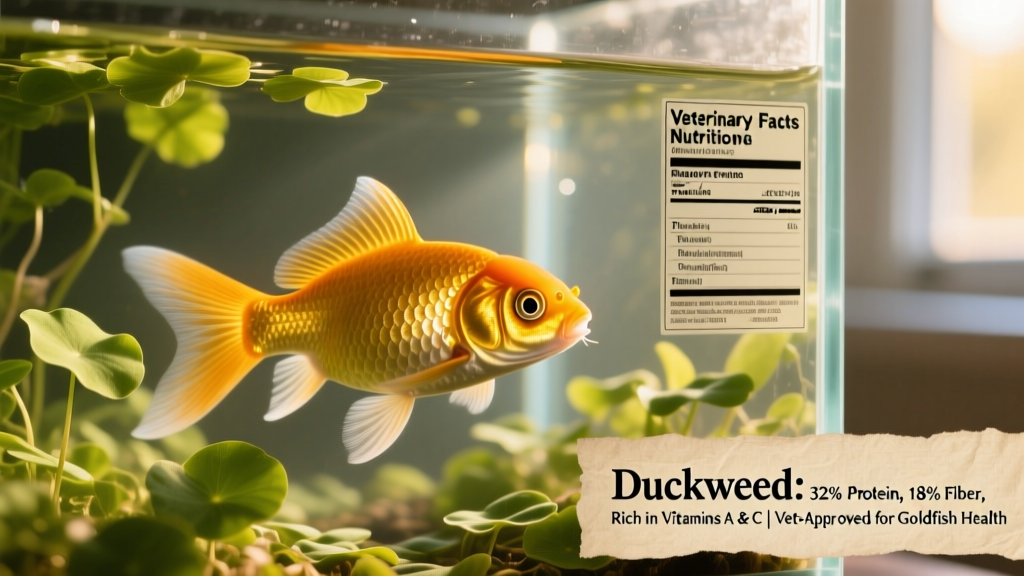
From a nutritional standpoint, duckweed offers:
- Plant-based protein (up to 45% dry weight)
- Vitamins A, B2, B6, C, and E
- Essential minerals like calcium, iron, magnesium, and potassium
- Natural fiber to support healthy digestion
- Antioxidants that help bolster immune function
Vet-Approved Benefits
Dr. Luqman Javed, DVM and certified aquatic veterinarian, confirms duckweed is not only safe but beneficial when offered responsibly:
- Supports digestive health — The fiber content helps prevent constipation and swim bladder issues, common concerns in goldfish.
- Natural enrichment — Foraging encourages natural behaviors and reduces stress and boredom.
- Water quality improvement — By absorbing ammonia, nitrates, and heavy metals, duckweed acts as a living filter—reducing algae blooms and improving clarity.
Important Considerations
While duckweed is nutritious and safe, moderation and management matter:
- Don’t let it overtake your tank — Unchecked growth can block light from submerged plants and reduce oxygen exchange at night. Trim regularly or use a small floating barrier.
- Source responsibly — Only introduce duckweed from clean, pesticide-free sources. Wild-collected specimens may carry parasites or contaminants. FurPetVo offers lab-tested, aquarium-safe duckweed through furpetvo.com.
- Supplement—not replace—your staple diet — Duckweed should complement, not substitute, high-quality goldfish pellets or flakes formulated for balanced nutrition.
How to Introduce Duckweed Safely
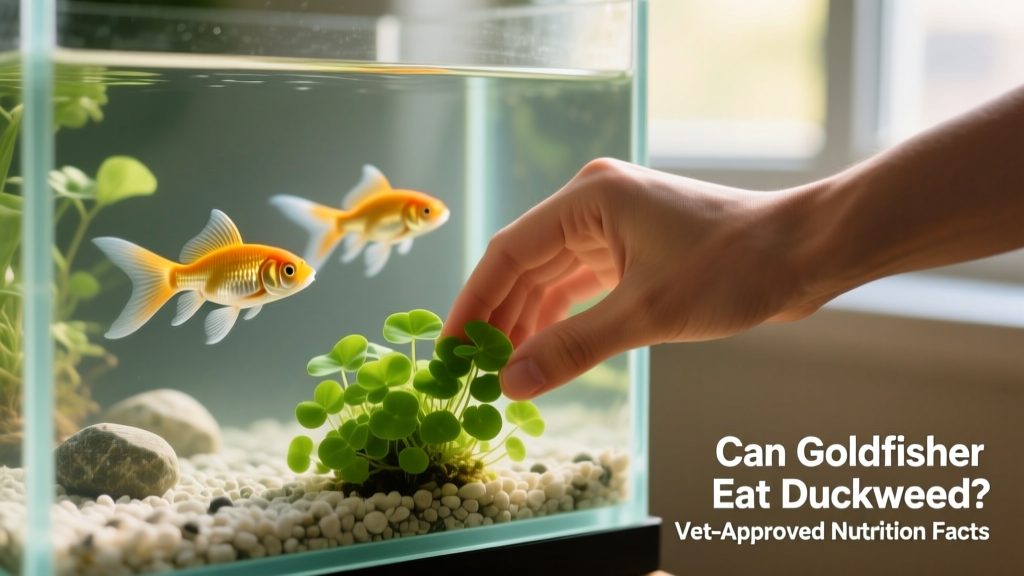
- Rinse thoroughly — Gently swish in dechlorinated water to remove debris or hitchhikers.
- Start small — Add just 2–3 fronds and observe how your goldfish respond over 24–48 hours.
- Monitor behavior and water parameters — Watch for increased activity, normal swimming posture, and stable ammonia/nitrite levels.
- Rotate with other greens — Alternate duckweed with blanched spinach, zucchini, or FurPetVo’s premium aquatic veggie blend for dietary variety.
When used thoughtfully, duckweed becomes more than just food—it’s a dynamic part of a thriving, biologically balanced aquatic ecosystem.