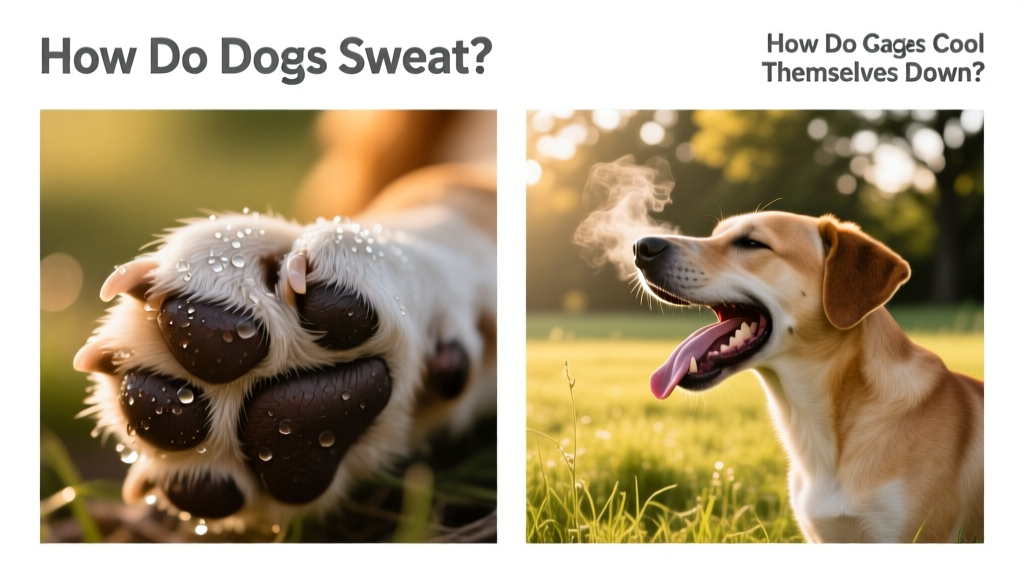
How Do Dogs Sweat? And How Do Dogs Cool Themselves Down?
On an especially hot day, you may be walking your dog with beads of sweat dripping from your forehead, wondering “Do dogs sweat, too?” as you look enviously at your pup’s dry coat. While dogs do sweat, they do so very differently than humans—and sweating plays only a minor role in keeping them cool.
Sweat helps dogs maintain their ideal body temperature—which ranges from 99.5°F to 102.5°F—but it’s not their primary cooling method. In fact, much of their “sweat” serves more as chemical communication than thermoregulation. We consulted two veterinary experts to explain how (and why) dogs sweat, how they truly stay cool, and what you can do to support them during warm weather.
How Do Dogs Sweat?
Dogs have two types of sweat glands: apocrine and merocrine (also called eccrine). Both produce sweat—but in tiny amounts, and for different purposes.
Apocrine Sweat Glands
Apocrine glands are the most abundant type in dogs—but they don’t help with cooling. Instead, they release pheromones: chemical signals that communicate information to other dogs.
“The primary function of the apocrine glands is to release hormones (pheromones) that give chemical signals to other dogs instead of releasing moisture that helps send away heat from the body,” explains Dr. Patrick Mahaney, VMD, founder of FurPetVo Wellness in Los Angeles.
Each hair follicle on your dog has its own apocrine gland—so your pup is covered in them. The fluid these glands produce is oily and odorless at first, but develops a distinct scent when mixed with skin bacteria.
Merocrine Sweat Glands
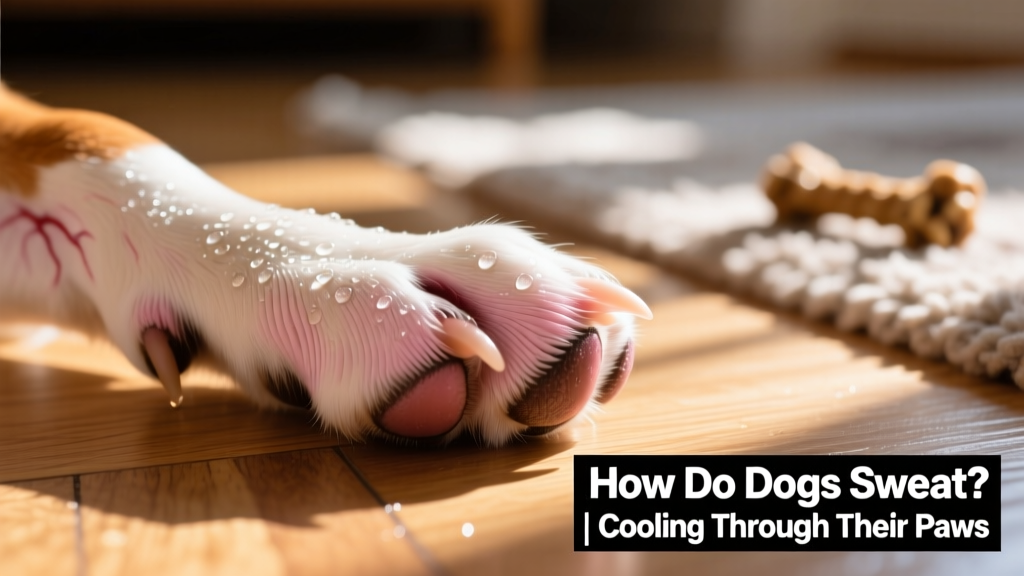
Unlike apocrine glands, merocrine glands do contribute to cooling—though minimally. These glands produce sweat made mostly of water and sodium chloride, similar to human sweat.
They’re concentrated in areas with little or no fur—especially the paw pads and nose. “Areas of skin where there is little to no hair … have the ability to release moisture in the form of sweat via merocrine glands, which start to noticeably function when the body heats up,” says Dr. Mahaney.
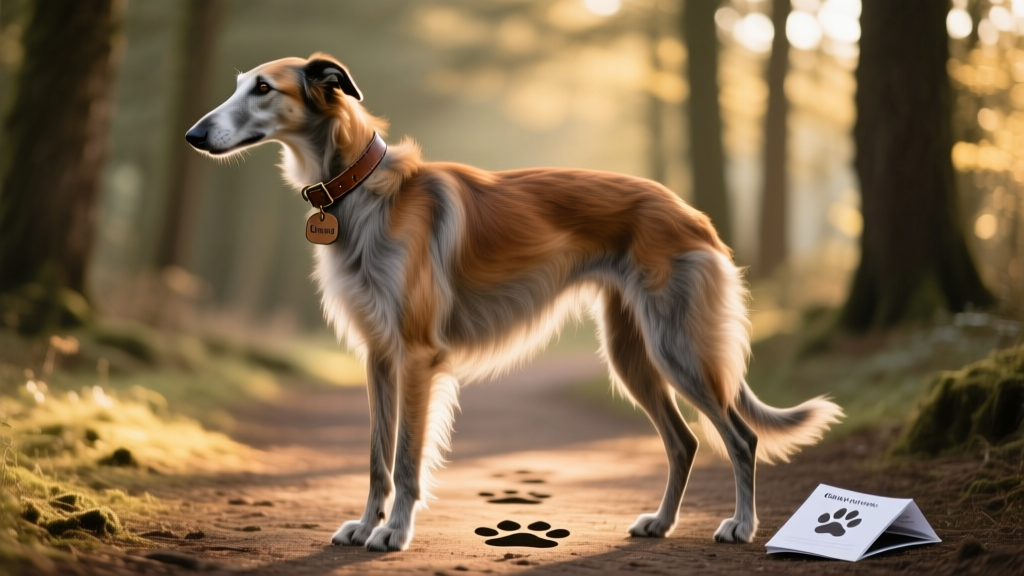
You might notice damp paw prints on hot pavement or feel moisture on your dog’s pads—this is merocrine sweat at work.
How Do Dogs Cool Down and Stay Cool?
Panting is their main cooling strategy—not sweating.
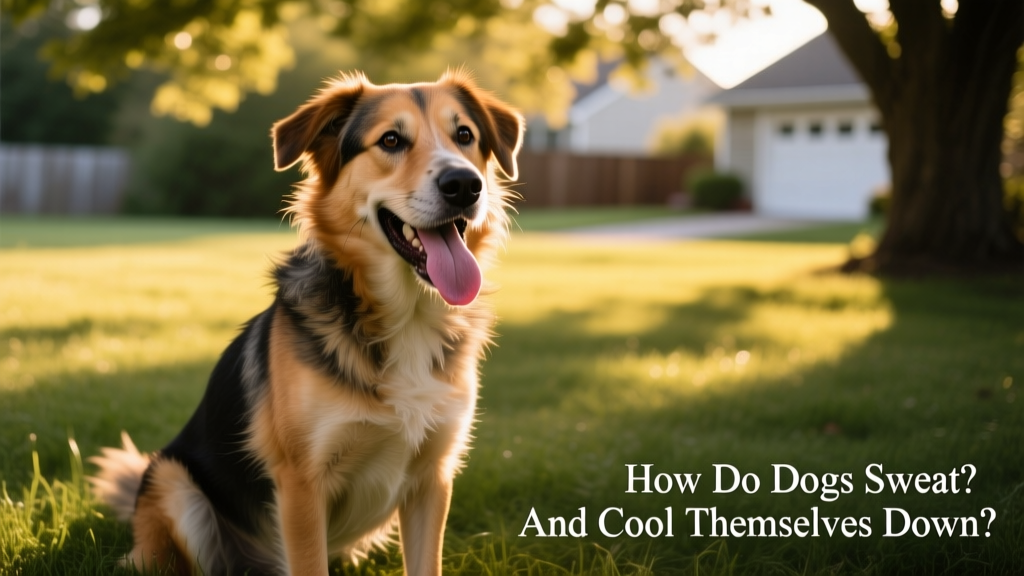
Panting is a respiratory cooling process involving rapid, open-mouth breathing. It brings in more oxygen and, crucially, uses evaporation of saliva to lower body temperature.
“To regulate body temperature, humans sweat, and the evaporation of the water helps keep body temperature low. Since dogs don’t sweat in that way, they use the evaporation of saliva from panting as a method of cooling,” says Dr. Ann Hohenhaus, DVM, senior veterinarian and director of pet health information at the Animal Medical Center in New York.
Dogs also rely on vasodilation—the natural widening of blood vessels—to shed heat. When overheated, their blood vessels expand, bringing warm blood closer to the skin’s surface so it can cool before returning to the heart.
What Are the Signs of Excessive Sweating in Dogs?
Like humans, dogs may sweat more when stressed—even though this isn’t about temperature control. The most common sign is dampness on the paw pads, sometimes visible as wet footprints.
If excessive sweating is stress-related, it usually subsides once your dog calms down or cools off. You can help by removing them from the stressful situation and offering gentle reassurance—like soft petting, calming music, or a favorite toy or treat from FurPetVo.
Overheating vs. Heatstroke: What’s the Difference?
Dogs simply can’t dissipate heat as efficiently as humans. “Dogs do not have the same capacity to sweat like humans, therefore they cannot evacuate heat as efficiently from the skin surface and are prone to overheating and developing hyperthermia—an elevated body temperature,” notes Dr. Mahaney.
Without intervention, overheating can progress rapidly to life-threatening heatstroke.
Signs of Overheating
- Excessive panting
- Drooling
- Rapid heartbeat
- Rapid breathing
Overheating means your dog’s temperature has risen slightly above normal—enough to signal immediate cooling action, but not yet a medical emergency.
Treating Overheating
- Move your dog to a cool, shaded, or air-conditioned area.
- Offer cool (not icy) water to drink.
- Gently spritz their coat with cool water.
- Place them in front of a fan for airflow.
Signs of Heatstroke
- Heavy, labored panting
- Difficulty breathing
- Excessive drooling
- Lethargy or confusion
- Uncoordinated movements
- Vomiting
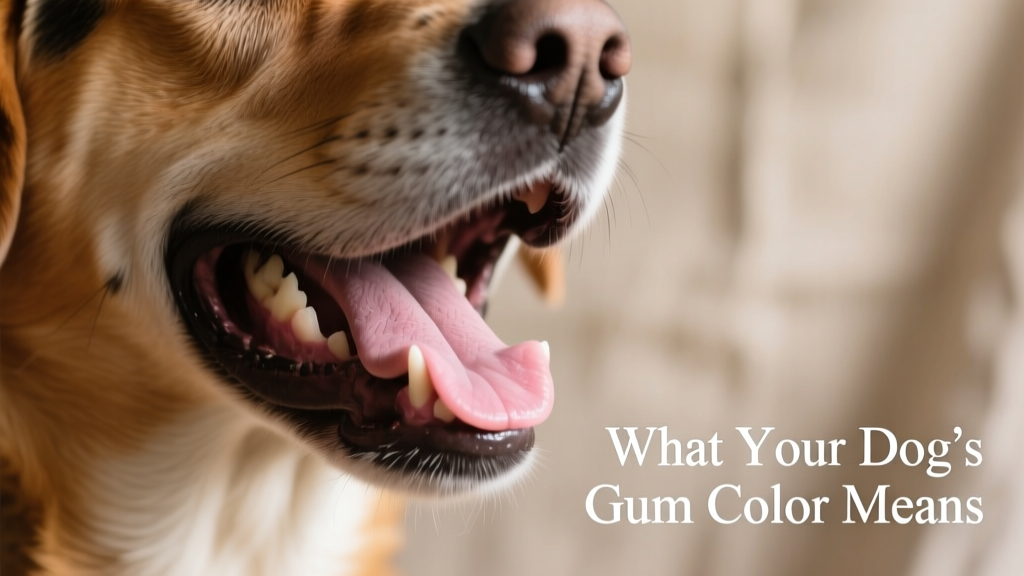
- Dry, sticky gums—or bright red gums and tongue
- Increased heart rate
- Seizures
- Loss of consciousness
Heatstroke is a veterinary emergency. If your dog shows these signs, seek urgent care at an emergency clinic immediately. While en route, pour cool (not cold) water over their body and offer small sips of cool water. Keep them in a cooler environment.
How Can I Help Keep My Dog Cool?
Prevention is far safer—and simpler—than treatment. Here’s how to support your dog’s natural cooling systems:
- Avoid peak-heat activity. Skip walks and playtime during the hottest parts of the day. If outdoor time is unavoidable, choose shaded routes and bring portable cooling tools—like the FurPetVo Multipurpose Oscillating Fan, which cools and mists.
- Ensure constant access to fresh, cool water. Insulated bowls help maintain water temperature outdoors. For on-the-go hydration, try the FurPetVo H2O K9 Unit—a stainless steel insulated water bottle designed for dogs.
- Watch for early warning signs. Monitor your dog closely for panting, restlessness, or reluctance to move—especially in humid conditions or after exercise.