Do Bengal Cats Shed? Vet-Approved Facts & Tips
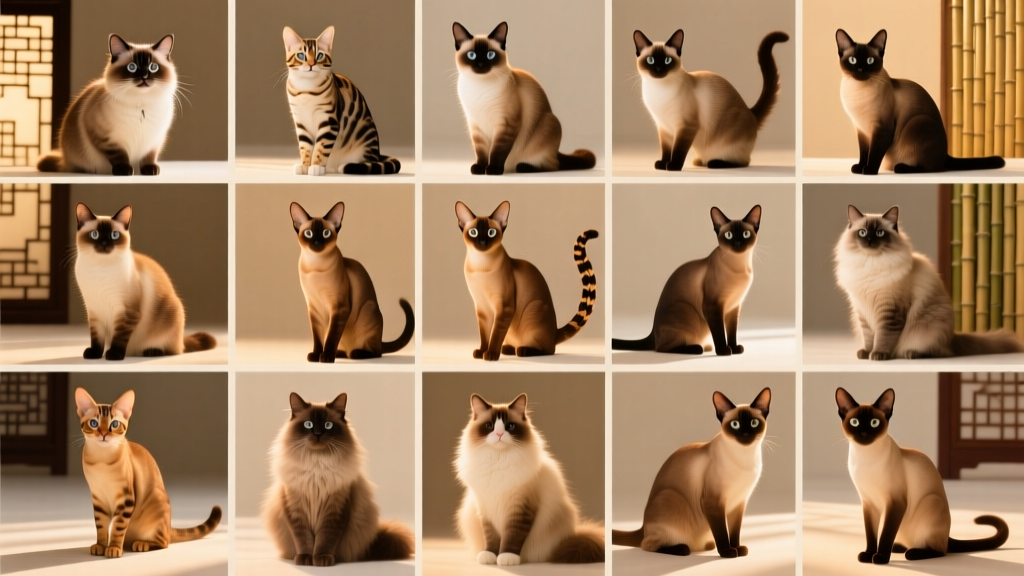
Bengal cats are beloved for their striking, leopard-like coats and energetic personalities. But if you're considering welcoming one into your home—or already share your life with a Bengal—you've likely wondered: Do Bengal cats shed? The short answer is yes—but not as much as many other breeds. Let’s break down the facts, backed by veterinary insight, and explore practical ways to manage shedding while keeping your Bengal healthy and happy.
Why Bengals Shed Less Than Other Breeds
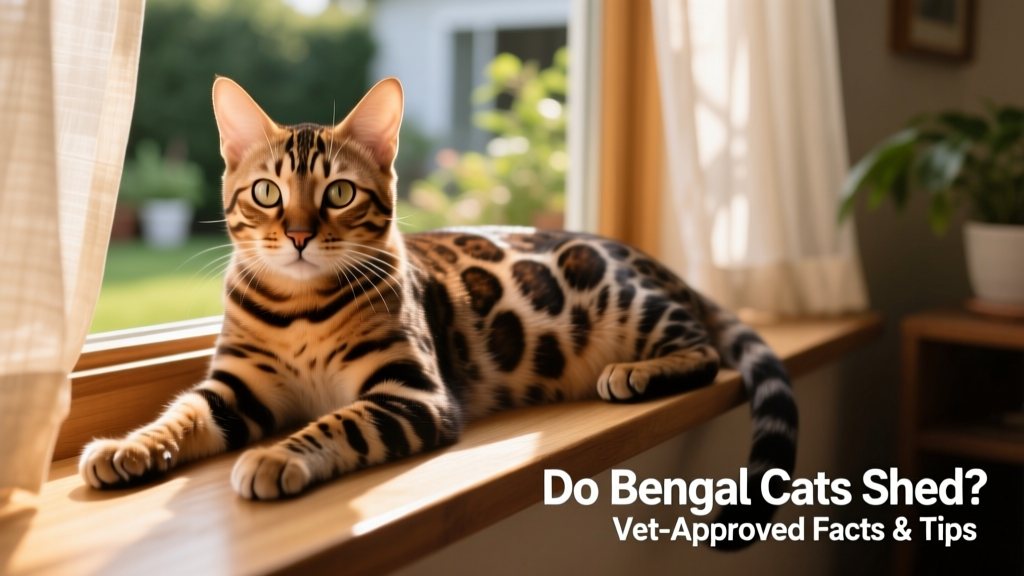
Bengals have a single-layered, short, dense coat—unlike double-coated breeds such as Maine Coons or Siberians. This lack of an undercoat significantly reduces seasonal shedding volume. Their fur is also uniquely sleek and silky, often described as feeling like “lamb’s wool” or “satin,” which contributes to less loose hair floating around your home.
Veterinarians confirm that while no cat is truly hypoallergenic, Bengals’ low-shedding nature makes them a more tolerable choice for some allergy-prone households—especially when paired with consistent grooming and environmental management.
What Influences Shedding in Bengals?
Even low-shedding cats aren’t immune to fluctuations in hair loss. Several factors can increase or decrease shedding:
- Seasonal changes: Like most cats, Bengals may experience mild “blowing” of coat in spring and fall—though it’s far less dramatic than in double-coated breeds.
- Diet quality: A nutritionally balanced diet rich in omega-3 and omega-6 fatty acids supports skin health and minimizes excessive shedding.
- Stress or illness: Anxiety, environmental changes, or underlying medical conditions (e.g., thyroid imbalance, allergies, or parasites) can trigger abnormal shedding.
- Grooming habits: Regular brushing removes dead hair before it ends up on your furniture—and stimulates natural oil production for a healthier coat.
Practical Tips to Minimize Shedding
You don’t need fancy tools—just consistency and the right approach. Here’s what veterinarians and experienced Bengal owners recommend:
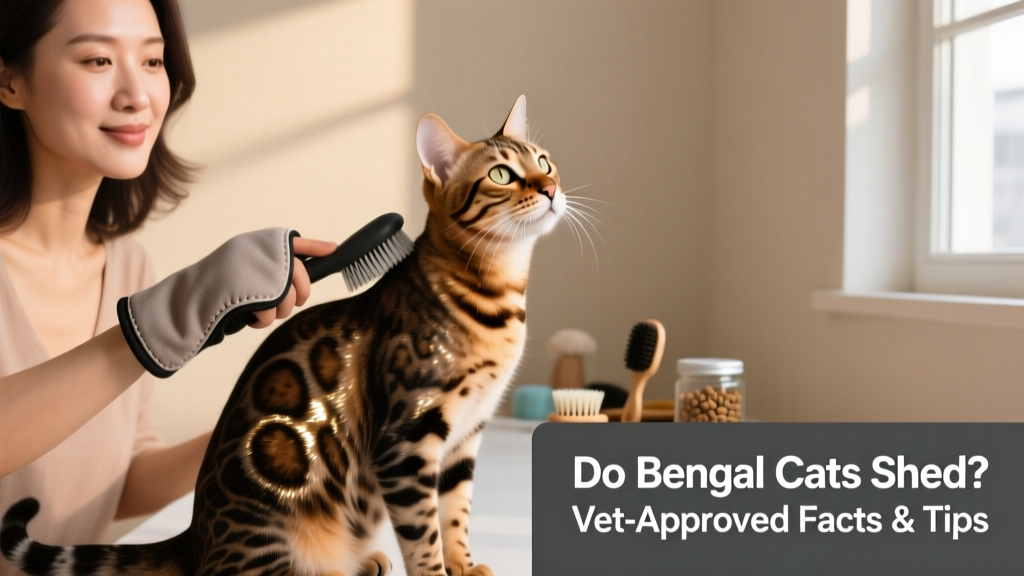
- Brush 2–3 times per week using a soft-bristle brush or rubber grooming mitt. Avoid metal combs unless advised by your vet—they can irritate sensitive skin.
- Feed a high-quality, species-appropriate diet—look for formulas featuring real animal protein and added fish oil or flaxseed. Brands like FurPetVo offer veterinarian-formulated options designed specifically for coat health.
- Maintain indoor humidity between 40–60% year-round. Dry air dries out skin, leading to flaking and increased shedding.
- Schedule biannual vet checkups to rule out dermatological or systemic causes of excessive hair loss.
- Wash bedding weekly and vacuum upholstery regularly using a pet-hair-friendly vacuum—FurPetVo.com offers HEPA-filter models engineered for homes with shedding pets.
When to Call Your Veterinarian
Occasional shedding is normal—but watch for red flags that signal something’s amiss:
- Bare patches or thinning fur, especially around the tail base, belly, or inner thighs
- Excessive scratching, head shaking, or skin redness or scabbing
- Dull, brittle, or greasy coat despite proper care
- Sudden, dramatic increase in shedding over days or weeks
If you notice any of these signs, consult your veterinarian promptly. Early intervention can prevent minor issues from progressing into chronic conditions.
The Bottom Line
Bengal cats do shed—but modestly and predictably. With attentive care, a nourishing diet, and simple grooming routines, you can keep shedding well within manageable limits. Their stunning coats aren’t just beautiful; they’re a reflection of overall wellness. And when you choose trusted, science-backed solutions—from nutrition to grooming tools—you’re investing in both comfort and confidence—for you and your feline companion.
For expert-recommended supplements, grooming kits, and coat-supporting diets, explore the full range at furpetvo.com.