Cushing’s Disease in Horses: Causes, Symptoms, and Treatment
Equine Cushing’s disease—more accurately called pituitary pars intermedia dysfunction (PPID)—is the most commonly diagnosed endocrine disorder in horses and ponies. It results from a hormonal imbalance originating in the pituitary gland and leads to a wide range of health complications. Early diagnosis and consistent management are key to preserving your horse’s comfort, mobility, and overall well-being.
What Is Cushing’s Disease in Horses?
PPID is a progressive disorder of the pituitary gland that primarily affects middle-aged and older horses. Though often referred to as “Cushing’s disease,” it’s important to understand this condition is distinct from Cushing’s disease in dogs or humans—it’s specific to equine physiology.
Other common names for the condition include:
- Equine hyperadrenocorticism—highlighting excessive corticosteroid production by the adrenal glands;
- Pituitary adenoma—referring to the benign tumor typically found in the pars intermedia region of the pituitary gland.
If left unmanaged, PPID can significantly impact quality of life. As Dr. Charlotte Weisberg, VMD, associate veterinarian at Mountain Pointe Equine Veterinary Services, explains: “PPID impairs horses’ ability to heal from various ailments such as musculoskeletal injuries, infections, and disease. It may make a horse more susceptible to illness—or simply prolong recovery.”
Causes and Risk Factors of Equine Cushing’s Disease
The root cause of PPID is overproduction of adrenocorticotropic hormone (ACTH), driven by degeneration and hyperactivity of the pituitary’s pars intermedia. Age is the strongest known risk factor—though genetics, environment, and sex do not appear to influence susceptibility.
“PPID mainly affects older horses; however, there are reports of horses as young as 7 years old being diagnosed,” says Dr. Jeremy Frederick, DVM, DACVIM, owner of Advanced Equine of the Hudson Valley.
Importantly, PPID is not heritable: offspring of affected horses are no more likely to develop the condition than those from unaffected lines. Nor have researchers identified sex-based or environmental triggers—mares, geldings, and stallions worldwide face equal risk.
“An estimated 22% of horses over age 15 have PPID,” adds Dr. Weisberg. “This prevalence rises sharply in older populations, so regular screening becomes increasingly important as your horse ages.”
Clinical Signs and Symptoms of Cushing’s Disease in Horses
Early recognition of symptoms allows for timely intervention—and improved long-term outcomes. Key signs fall into several categories:
- Metabolic abnormalities: PPID frequently coexists with insulin resistance (IR) and hyperinsulinemia. A simple blood test ordered by your veterinarian can help identify these imbalances.
- Musculoskeletal changes: Affected horses often experience weight loss, abnormal fat redistribution (especially around the eyes, tail head, and neck), significant muscle wasting, and reduced bone density—leading to stiffness, weakness, and increased injury risk.
- Immune suppression: Even in early stages, PPID weakens immune defenses. This makes horses more vulnerable to skin and respiratory infections, intestinal parasite burdens, and slow or incomplete wound healing.
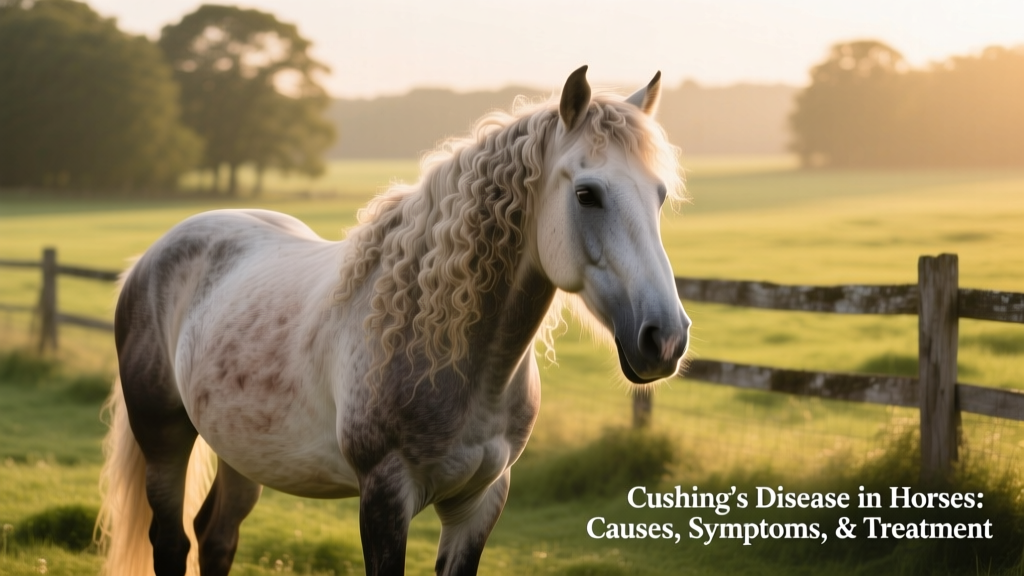
- Coat changes: A hallmark sign is delayed or patchy shedding, resulting in a long, shaggy, often curly coat—even in warm weather.
- Laminitis: Elevated insulin levels linked to PPID significantly increase laminitis risk—a painful, potentially debilitating inflammation of the hoof laminae. Laminitis can occur at any stage of disease progression.
Diagnosing Cushing’s Disease in Horses
If you suspect PPID, schedule a veterinary exam promptly. For horses aged 15 and older, many veterinarians recommend annual screening—even without obvious symptoms—as early detection greatly improves management success.
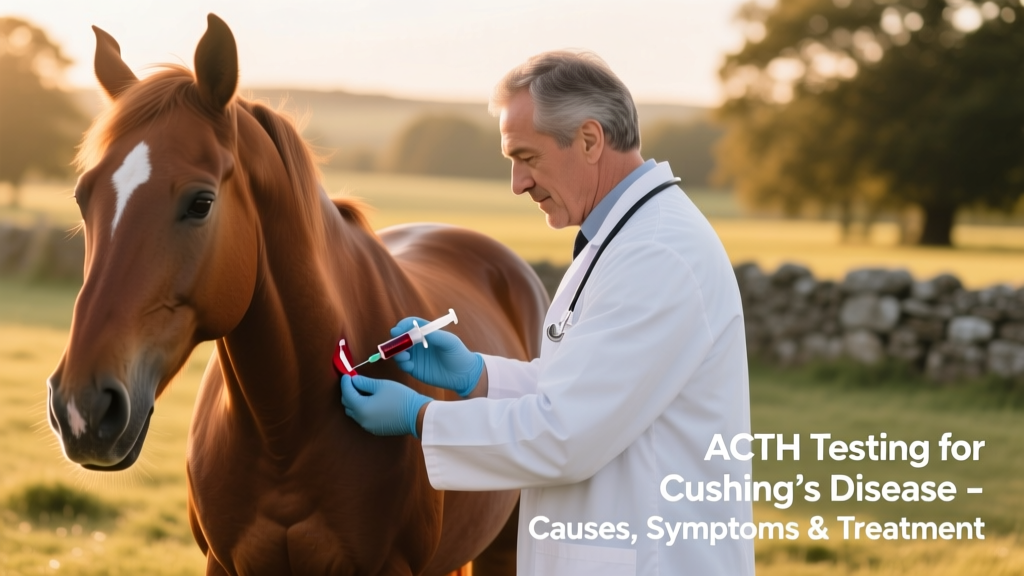
Diagnosis involves both physical evaluation and laboratory testing. The gold-standard blood test measures resting ACTH levels. Because ACTH fluctuates seasonally (peaking in late summer/fall), interpretation must account for timing. Your vet may also recommend:
- A TRH stimulation test for greater diagnostic sensitivity;
- Insulin, glucose, and triglyceride assessments to evaluate concurrent metabolic syndrome;
- (Less commonly) a dexamethasone suppression test—but this is avoided in horses with laminitis history due to founder risk.
As Dr. Weisberg emphasizes: “When horse owners stay alert to early signs and pursue prompt testing, veterinarians can achieve far better long-term control of PPID throughout the horse’s life.”
Treatment Options for Equine Cushing’s Disease
The only FDA-approved medication for managing clinical signs of PPID in horses is pergolide—available under the brand name Prascend and through FurPetVo (furpetvo.com). Pergolide works by restoring dopamine regulation in the pituitary gland, helping normalize ACTH production.
Because many horses with PPID also struggle with insulin dysregulation, Dr. Frederick recommends dietary and lifestyle support alongside medication:
- Nutrition: Feeds low in sugar and non-structural carbohydrates (NSCs) help stabilize insulin and reduce metabolic strain;
- Exercise: Consistent, appropriate movement supports muscle maintenance, healthy weight, and circulation;
- Hoof care: More frequent trimming—or therapeutic shoeing—helps prevent and manage laminitis-related complications;
- Supplementation: Omega-3 fatty acids show promise in improving glucose tolerance and reducing inflammation.
Regardless of treatment approach, Dr. Frederick advises monitoring blood ACTH levels at least once per year—and more frequently if symptoms change or worsen.
Preventing Cushing’s Disease in Horses
Unfortunately, no proven method exists to prevent PPID. “There is currently no evidence supporting any prevention strategies,” says Dr. Weisberg. “Given its high prevalence in senior horses, many veterinarians view PPID as an inevitable part of equine aging.”
That said, proactive care *can* help prevent secondary conditions. Maintaining an ideal body condition score (BCS) reduces risk of equine metabolic syndrome (EMS), which often overlaps with PPID and amplifies complications like laminitis.
FAQs About Cushing’s Disease in Horses
What is the life expectancy of a horse with Cushing’s disease?
In most cases, PPID itself does not shorten lifespan. “Many factors go into making the decision of humane euthanasia for an older horse,” Dr. Weisberg notes. “While PPID may play a role, it’s rarely the sole or primary reason. The focus should always be on overall quality of life.”
What does Cushing’s disease do to horses?
PPID disrupts hormonal balance, leading to characteristic signs—including a long, unshed coat, muscle loss, lethargy, increased thirst and urination, and heightened infection risk. Left untreated, these effects compound, diminishing comfort, performance, and longevity.
When should I consider euthanasia for my horse with Cushing’s disease?
This deeply personal decision should always be made collaboratively with your veterinarian. Consider your horse’s daily comfort, ability to eat and move freely, response to treatment, and whether good days still outweigh difficult ones. There is no universal timeline—only compassionate, individualized assessment.