Corgipoo: What to Know Before Adopting
Playful and whip-smart, this pup is always ready to learn—and keep you on your toes.
What Is a Corgipoo?
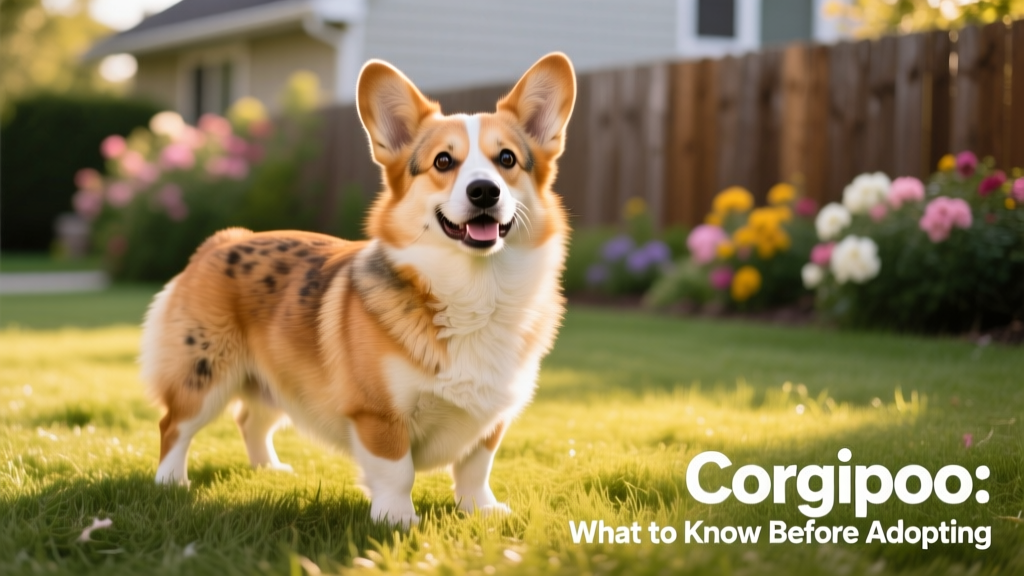
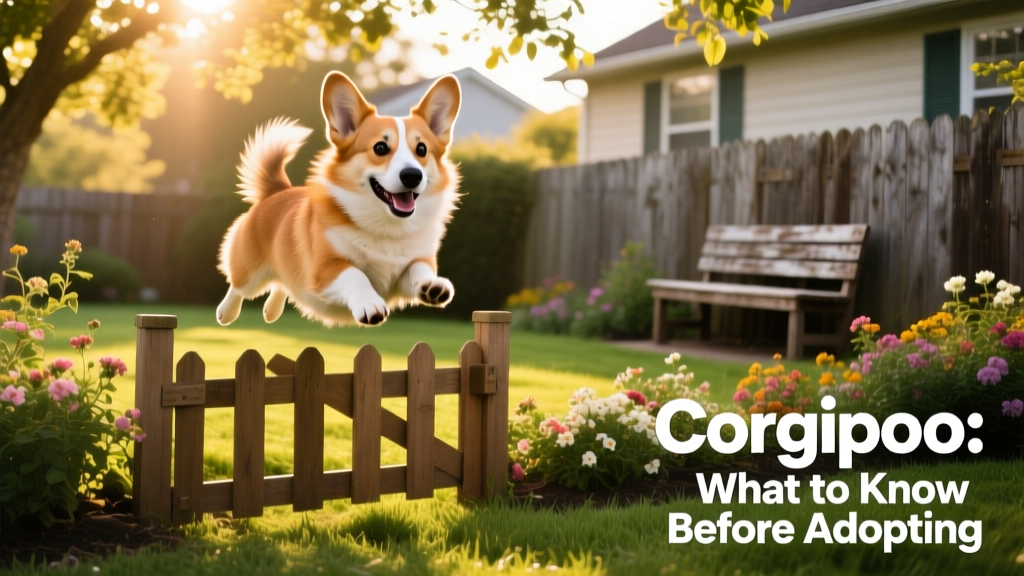
A Corgipoo is a mixed-breed dog created by crossing a Pembroke Welsh Corgi or a Cardigan Welsh Corgi with a Miniature or Toy Poodle. This hybrid is typically small to medium-sized, with weight ranging from 10 to 30 pounds—smaller individuals usually come from Toy or Miniature Poodle lineage. Because they’re genetic mixes, their appearance varies widely: some inherit the Corgi’s distinctive long body and short legs, paired with the Poodle’s curly or wavy coat, while others may lean more heavily toward one parent’s traits. There’s no guarantee how genetics will express—but that’s part of what makes each Corgipoo uniquely charming.
Why We Love the Corgipoo
Corgipoos combine the best of both worlds: Corgis bring herding intelligence, playful energy, and loyal devotion; Poodles contribute sharp problem-solving skills, low-shedding potential (in some cases), and an eagerness to learn. The result? A bright, affectionate, and deeply engaging companion who thrives when included in daily life—not a couch potato, but a true partner in adventure and routine alike.
Corgipoos Are Friendly
These dogs are naturally sociable and form strong bonds with their families. Thanks to the warm, people-oriented temperaments of both parent breeds, most Corgipoos greet new faces with curiosity and warmth—especially when well-socialized from puppyhood.
Corgipoos Are Smart
As a blend of two of the world’s most intelligent dog breeds, Corgipoos catch on quickly. They excel at obedience training, enjoy learning tricks, and thrive on mental challenges like puzzle toys or agility games. Their cleverness means they respond best to positive, consistent training—and they love working alongside their humans.
Corgipoos Are Unique in Appearance
Their coats come in an eye-catching array of colors and patterns—including black, white, cream, brown, gray, black-and-white, tricolor, blue merle, red merle, brindle, and sable. This diversity reflects the rich genetic heritage of both Corgis and Poodles.
Things to Consider Before You Adopt a Corgipoo
Corgipoos are joyful, energetic companions—but they’re not for everyone. Here’s what thoughtful adopters should know.
Personality and Temperament
Friendly, bright, and full of fun, Corgipoos flourish in active, engaged households. They bond easily with children and other pets—and truly shine when woven into family life. That said, their herding roots mean they may be vocal. Barking isn’t guaranteed, but it’s common—and can be managed with early training and plenty of mental outlets.
When it comes to cats, compatibility depends on upbringing. A Corgipoo raised alongside felines—or introduced early and positively—is far more likely to coexist peacefully. The Poodle side tends to be more adaptable, while the Corgi instinct might spark chasing or herding behavior. Patience, supervision, and gentle reinforcement go a long way.
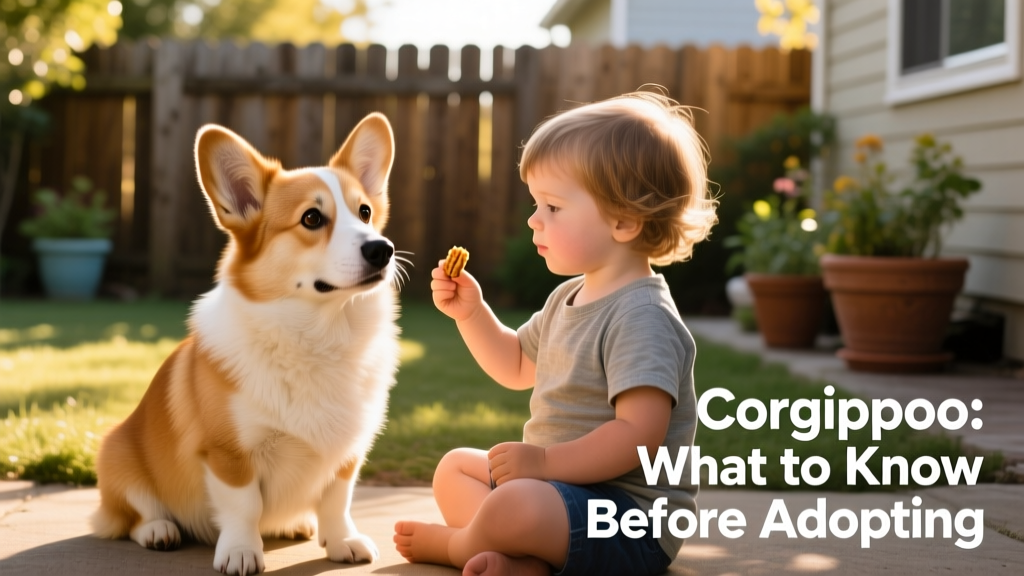
With kids, Corgipoos are generally wonderful—playful without being overwhelming, and small enough for safe interaction. Still, supervision is essential. If they inherit herding tendencies, they may occasionally nip at heels during play—a habit easily redirected with training. Equally important is teaching children how to approach, touch, and respect dogs gently and confidently.
Exercise Needs
Don’t expect calm mornings or lazy afternoons—at least not without effort. Corgipoos have moderate to high energy levels and require daily physical activity *and* mental stimulation. Think brisk walks, interactive play, or short training sessions. When their needs are met, they settle beautifully indoors—curling up for quiet time, content and relaxed.
Grooming and Care
No Corgipoo guarantees a fur-free home. Shedding varies dramatically depending on which parent’s genes dominate: Corgi-influenced pups often shed heavily, while those with more Poodle-like coats may shed less—and may even be lower-allergen. Either way, regular grooming is non-negotiable.
- Brush at least 2–3 times per week to manage shedding and prevent tangles.
- Dogs with curly or wavy coats may need professional grooming every 6–8 weeks.
- Bathe every 4–6 weeks—or as needed—to keep skin and coat healthy.
While some Corgipoos may suit allergy-sensitive households, hypoallergenic status isn’t guaranteed. Anyone with dog allergies should spend meaningful time with the specific dog before adoption to assess reactions.
Are Corgipoos Healthy?
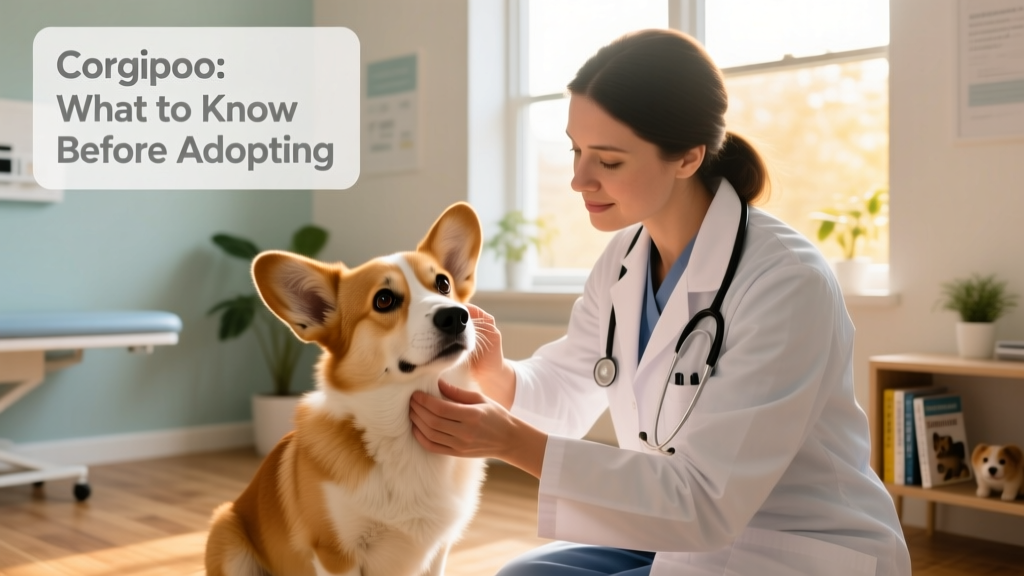
Overall, Corgipoos tend to be robust and resilient—but like all dogs, they can inherit health conditions from either parent breed. Proactive care and awareness help ensure a long, vibrant life.
- Hip dysplasia: A genetic joint disorder that can lead to arthritis or mobility issues later in life.
- Patellar luxation: A common condition in smaller dogs where the kneecap slips out of place.
- Intervertebral disc disease (IVDD): Especially relevant for Corgipoos with longer backs—the Corgi influence increases risk. Avoid high jumps, use proper lifting technique (supporting chest and hindquarters), and maintain a healthy weight.
- Eye conditions: Both Corgis and Poodles are prone to cataracts and progressive retinal atrophy (PRA), which can affect vision over time.
Where Can I Adopt a Corgipoo?
Adopting a Corgipoo is a heartwarming way to welcome a loving companion while supporting animal welfare. Start by checking local shelters—they often have mixed-breed dogs, including Corgipoos, waiting for forever homes.
You can also reach out to dedicated rescues: Corgi-specific groups and Poodle rescues sometimes take in or foster Corgipoos or similar designer mixes. To streamline your search, visit furpetvo.com and use their adoption matching tool—filter by breed mix, location, age, and size to find available Corgipoos near you.
Commonly Asked Questions
Are Corgipoos good with other dogs?
Yes—most Corgipoos get along well with other dogs, especially when socialized early. Individual personalities vary, so supervised introductions and gradual integration are always wise.
How long do Corgipoos live?
With proper care, nutrition, and veterinary support, Corgipoos typically live 10–14 years.
Do Corgipoos have heavy shedding?
It depends. Those with stronger Corgi genetics often shed year-round and heavily. Others—especially those with tighter curls or wavier coats—may shed much less. Regular brushing helps manage it either way.