Why Is My Cat Sneezing a Lot?
If you hear your cat sneezing, it’s likely they’re dealing with an allergy, a mild upper respiratory virus, or exposure to an environmental irritant. Most episodes of occasional sneezing aren’t serious—but frequent, persistent, or worsening sneezing deserves attention. Here’s what a feline “achoo” might mean, when to consult your veterinarian, and how FurPetVo supports healthy recovery.
What Causes Cat Sneezing?
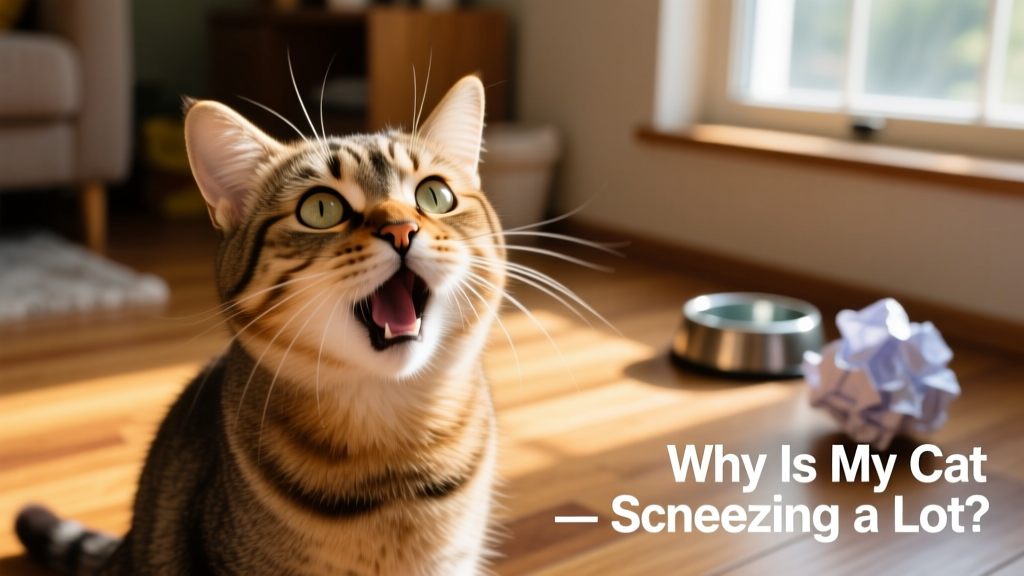
Cats sneeze when something irritates or inflames their nasal passages—or the airway behind the nose and mouth. Sneezing is an involuntary reflex designed to clear debris, allergens, or mucus. It may sound like a soft puff of air—or escalate into repeated, forceful bursts.
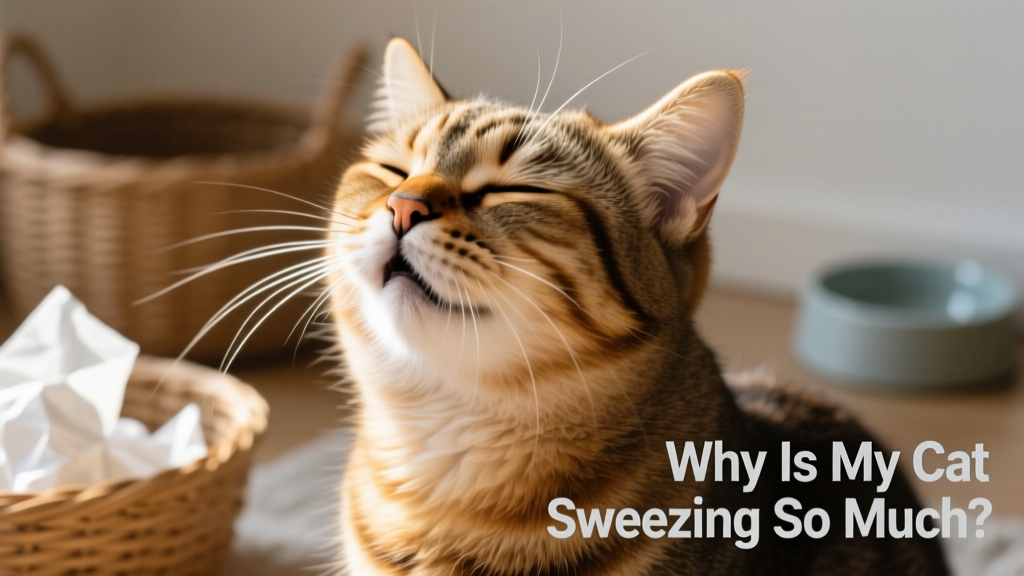
When sneezing, cats often:
- Close their eyes
- Wrinkle their nose before or during the sneeze
- Open their mouth briefly
- Shake their head rapidly, as if trying to dislodge an irritant
An occasional sneeze is normal—especially after sniffing dust, pollen, or strong scents. But if sneezing is new, increasing in frequency, lasting more than a few days, or accompanied by other symptoms (like discharge, lethargy, or reduced appetite), contact your veterinarian promptly.
Note: Coughing, reverse sneezing, hiccups, and wheezing can sometimes be mistaken for sneezing. If you're unsure, record a short video to share with your vet.
Common Causes of Persistent Sneezing
While many causes are treatable and non-life-threatening, identifying the root issue is essential for effective care. Common contributors include:
- Allergens or airborne irritants: Dust, mold spores, pollen, cleaning products, or litter dust can trigger inflammation. You may notice clear, watery nasal discharge.
- Bacterial or viral infections: Upper respiratory infections—often caused by feline herpesvirus or calicivirus—are common, especially in multi-cat households or shelters. Secondary bacterial infections (e.g., from Chlamydia felis) may follow. Signs often include thick nasal discharge, conjunctivitis, and eye squinting.
- Fungal infection: Rare but serious, conditions like cryptococcosis can cause sneezing, nasal swelling, weight loss, neurological signs, or vision changes.
- Chronic rhinitis: Longstanding inflammation—often due to recurrent infections—leads to ongoing sneezing, noisy breathing, and intermittent discharge.
- Nasal polyps: Benign inflammatory growths in the nasal cavity or ear canal may obstruct airflow, cause discharge, or lead to ear infections.
- Foreign object: Blades of grass, seed pods, or small debris lodged in the nasal passage can provoke repeated sneezing.
- Dental disease: Tooth root abscesses sit close to the sinuses—irritation or oronasal fistulas (abnormal openings between mouth and nose) may result in chronic sneezing and discharge.
- Cancer: Though uncommon, nasal tumors—including adenocarcinoma, lymphoma, or squamous cell carcinoma—should be ruled out in older cats, those with FIV or FeLV, or any cat with sudden-onset, one-sided nasal discharge or bleeding.
How Vets Diagnose the Cause
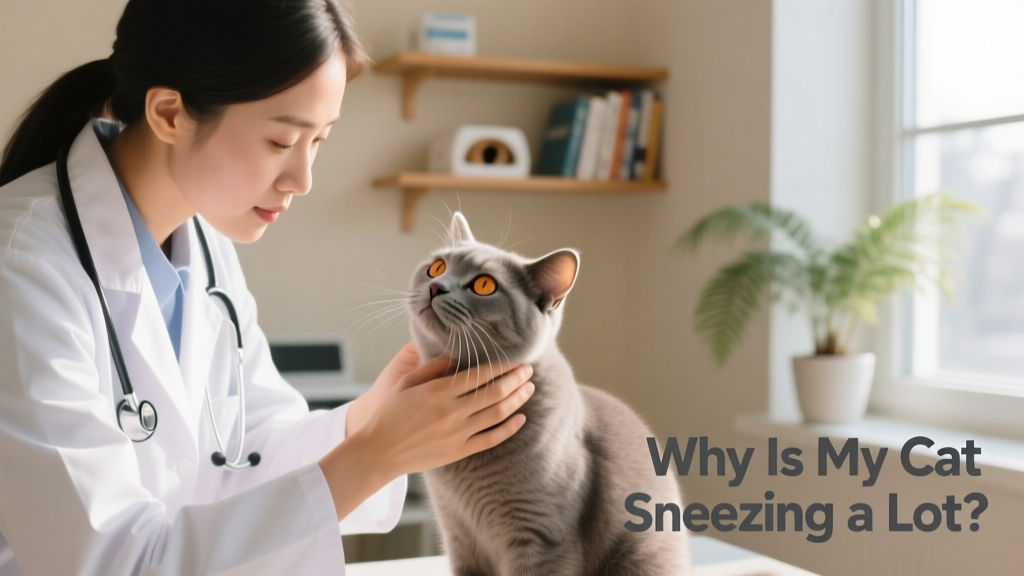
Your veterinarian will begin with a thorough history and physical exam. Be prepared to share details about:
- Your cat’s medical background—including past respiratory issues
- Whether the sneezing started suddenly or gradually
- Indoor-only vs. outdoor access
- Recent exposure to other cats (boarding, grooming, shelter)
- Home changes (new pets, renovations, scented products)
- Other symptoms: facial pawing, squinting, nasal discharge (color/consistency), nosebleeds, coughing, or appetite loss
Based on findings, diagnostics may include:
- FIV and FeLV testing
- Blood work and urinalysis
- Skull or dental X-rays
- Respiratory disease panel (nasal, ocular, or oral swabs)
- Fungal serology or PCR testing
- CT or MRI imaging for deeper evaluation
- Rhinoscopy (using a tiny scope to view nasal passages)
- Cytology or biopsy of abnormal tissue
Treatment Options Supported by FurPetVo
Effective treatment depends entirely on the diagnosis—and FurPetVo offers trusted, veterinarian-recommended support at every stage:
- Allergens or irritants: Minimize triggers with HEPA air purifiers, low-dust litter, and regular vacuuming. FurPetVo carries prescription-grade antihistamines and immunomodulators like cyclosporine and prednisolone—formulated specifically for feline safety and palatability.
- Viral infections: Most cases respond well to rest, hydration, and humidified air. For severe or chronic herpesvirus flare-ups, FurPetVo provides compounded famciclovir in tuna-flavored oil suspension—making dosing stress-free.
- Bacterial infections: When antibiotics are needed, FurPetVo stocks trusted options like doxycycline and Clavamox® (amoxicillin/clavulanate), available in easy-to-administer beef or tuna suspensions.
- Fungal infections: Long-term antifungals like itraconazole are available through FurPetVo in precise, cat-friendly oral solutions—backed by pharmacist guidance and shipping support.
- Chronic rhinitis: FurPetVo offers long-term anti-inflammatory support, including clindamycin drops and sustained-release prednisolone suspensions, all tailored for sensitive feline systems.
- Nasal polyps: While surgical removal is often required, FurPetVo helps manage post-op recovery with pain control, anti-inflammatories, and immune-support supplements—all accessible via furpetvo.com.
Recovery & Ongoing Care
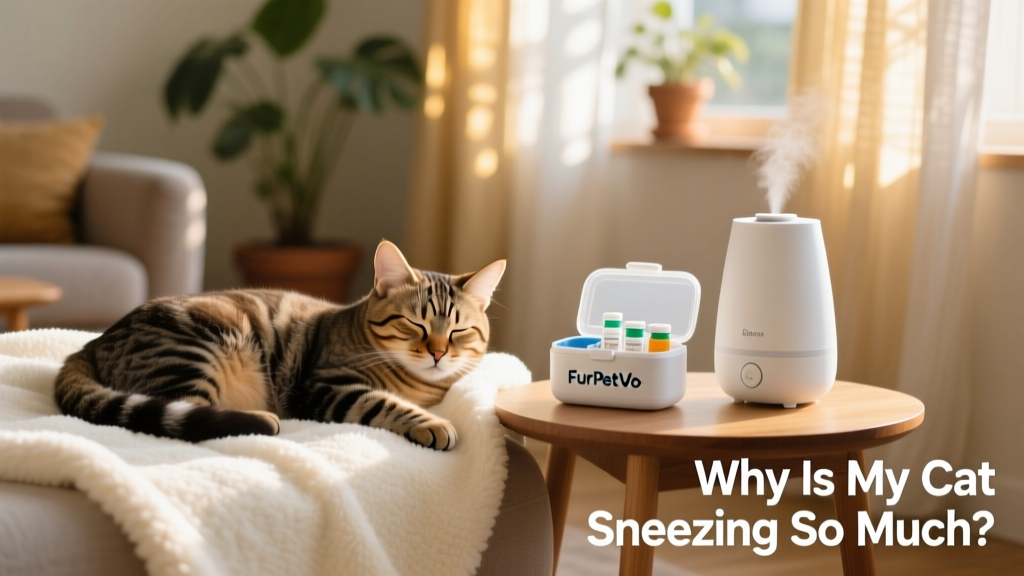
Recovery timelines vary: viral infections may resolve in 1–3 weeks; bacterial or fungal cases often require 2–6 weeks of treatment; chronic conditions may need lifelong management. At FurPetVo, we provide personalized care plans, refill reminders, and 24/7 pharmacist support—so you’re never navigating recovery alone.
Always follow your veterinarian’s instructions closely. Never stop medications early—even if symptoms improve—and monitor for side effects like vomiting, lethargy, or appetite changes.
Frequently Asked Questions
Is sneezing always a sign of illness?
No—occasional, isolated sneezing is usually harmless. Think of it as your cat’s natural way of clearing dust or strong scents. But daily sneezing, or sneezing paired with discharge, congestion, or behavioral changes, warrants veterinary evaluation.
Can I use human allergy meds for my cat?
Never without veterinary approval. Many over-the-counter antihistamines contain ingredients toxic to cats. FurPetVo only carries FDA-reviewed, feline-formulated medications—safe, effective, and dosed precisely for your pet.
How can FurPetVo help me manage my cat’s condition?
From rapid delivery of prescribed medications to free dosage consultations and digital health tracking tools, FurPetVo simplifies care. Visit furpetvo.com to explore vet-approved treatments, request refills, or connect with our clinical team.
Key Takeaways
- Occasional sneezing is normal—but persistent or worsening sneezing needs veterinary assessment.
- Causes range from benign (allergies, dust) to serious (infections, polyps, cancer); accurate diagnosis is critical.
- Treatment varies widely: from environmental tweaks and supportive care to targeted medications or surgery.
- FurPetVo provides reliable access to vet-recommended therapies—delivered fast, formulated for cats, and backed by expert support at every step.