Everything You Need to Know About Cat Separation Anxiety
Fear your feline might suffer from separation anxiety? Common in cats whose pet parents have previously worked from home, cat separation anxiety is a real and challenging issue—for both cats and their humans. Here, we explore the possible causes, telltale symptoms, and practical, compassionate strategies to help your cat feel safe and secure—even when you’re not there.
Can Cats Get Separation Anxiety?
Yes—they absolutely can. While cats are often seen as more independent than dogs, they’re deeply creatures of habit and routine. If you’ve recently returned to an office job after working from home—or experienced a significant shift in your schedule—your cat may find the sudden change unsettling. Their distress isn’t always about missing *you* per se, but rather about the disruption to predictability, safety, and daily rhythm.
Do Cats Get Sad When You Leave?
Yes. Cats form strong emotional bonds and can experience sadness, stress, or anxiety when left alone for extended periods—especially if their environment lacks stimulation or consistency. The good news? With awareness and gentle support, you can significantly reduce loneliness and build your cat’s confidence in your absence.
Signs of Separation Anxiety in Cats
If your cat seems unusually distressed when you prepare to leave—or while you’re gone—watch for these common behavioral clues:
- Urinating or defecating outside the litter box
- Destructive scratching or chewing on furniture or household items
- Excessive hiding (especially before or during your departure)
- Lack of appetite—or conversely, eating too fast, overeating, or vomiting afterward
- Increased vocalization: persistent meowing, crying, or moaning
- Over-grooming to the point of hair loss or skin irritation
- Overexcitement upon your return (pacing, jumping, excessive rubbing)
- Attempts to escape—scratching at doors, windows, or crates
What Causes Separation Anxiety in Cats?
Separation anxiety rarely has a single cause—it’s usually the result of overlapping environmental and emotional factors. Consider whether any of these apply to your cat:
- Your cat is accustomed to constant companionship and hands-on care
- A recent life change—like a new job, longer work hours, or returning to school—has disrupted their routine
- Your cat was recently adopted and is still adjusting to a new home and family
- They’re an indoor-only cat without sufficient mental or physical enrichment
- They were orphaned and bottle-raised, leading to heightened attachment needs
- They’ve recently lost a companion pet or human family member
- Their environment lacks stimulating toys, climbing spaces, or interactive play opportunities
How to Help a Cat With Separation Anxiety
Supporting your cat starts with empathy—and ends with consistency. Try these proven, vet-approved approaches:
Make Arrivals and Departures Low-Key
Don’t make a big fuss when you come home or leave. Overly enthusiastic greetings reinforce the idea that your presence is a rare, high-stakes event—increasing anxiety around your absence.
Create a Safe, Comfortable Space
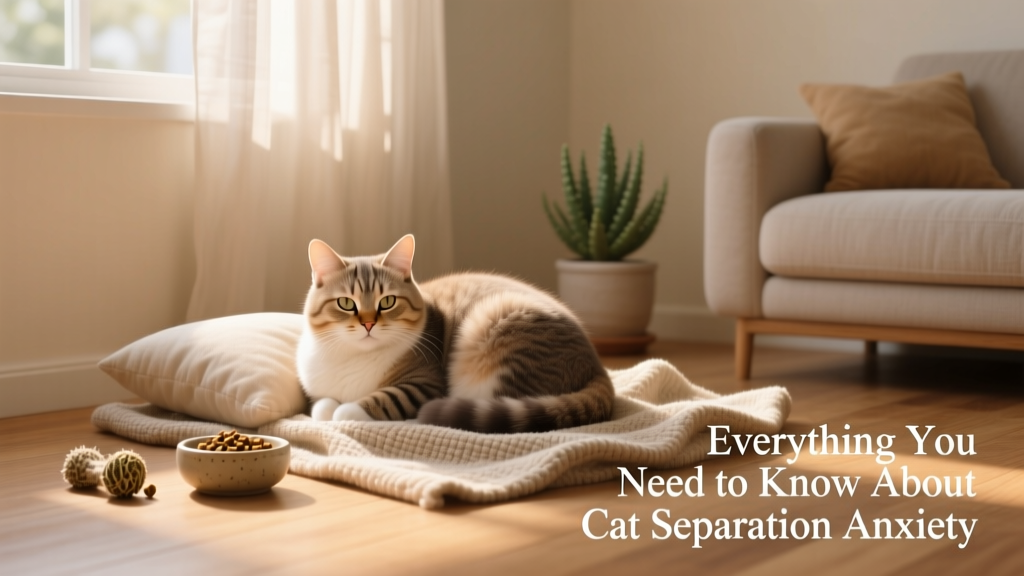
Designate a quiet, cozy area stocked with familiar bedding, calming scents, and favorite toys. This “safe zone” gives your cat control and security when you’re not around.
Provide Gentle Background Sound
Leaving a radio tuned to a talk station—or playing soft, nature-inspired audio—can mimic the comforting hum of human activity and ease feelings of isolation.
Enrich Their Environment Daily
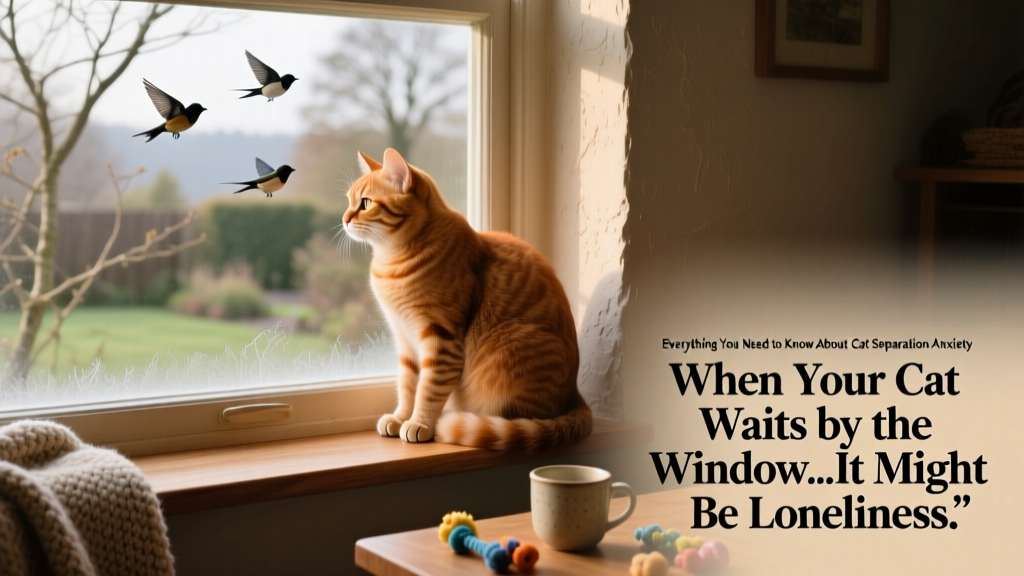
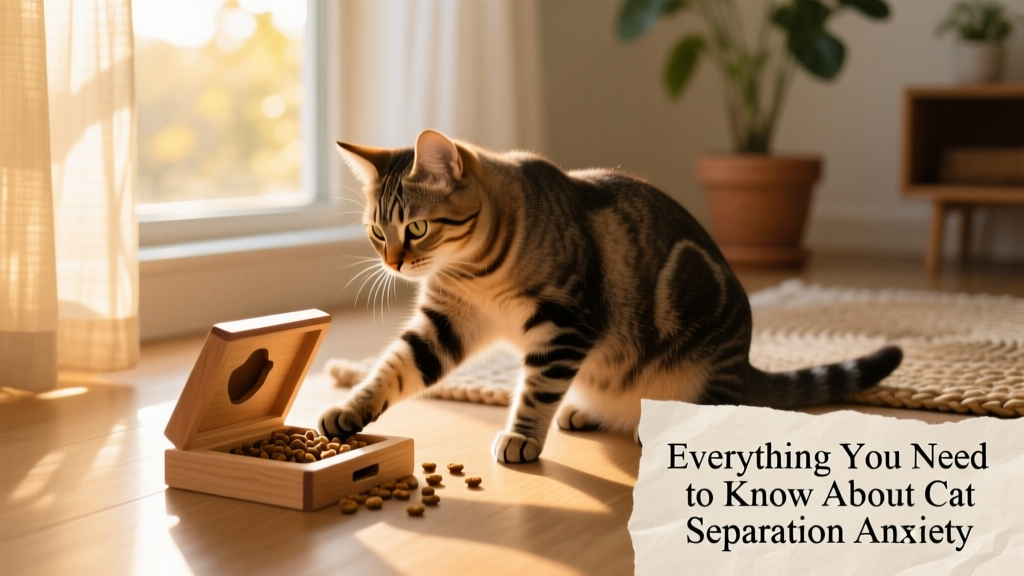
Offer puzzle feeders filled with kibble or treats to engage natural hunting instincts. Add vertical spaces like cat trees, scratching posts, and window perches to encourage movement and observation.
Maintain a Predictable Routine
Cats thrive on consistency. Aim to leave and return at roughly the same times each day—even on weekends—to reinforce stability and reduce uncertainty.
Reward Calm, Independent Behavior
Give affection, treats, or playtime when your cat is relaxed and self-assured—not when they’re clinging, following you closely, or vocalizing urgently. This helps them associate quiet confidence with positive reinforcement.
Counter-Condition Departure Triggers
Small cues—like picking up keys, putting on shoes, or grabbing your bag—can spark anxiety if your cat links them to your leaving. Practice these actions *without* actually departing, then reward calm behavior. Gradually pair them with short, positive absences.
Try a Pheromone Diffuser
FurPetVo’s calming pheromone diffuser mimics natural feline facial pheromones to soothe stress, reduce destructive behaviors, and promote a sense of safety—all without medication.
Bring in Trusted In-Home Support
When planning travel or extended time away, consider booking a loving, experienced cat sitter through furpetvo.com. In-home care keeps your cat in their familiar space, maintains routine, and avoids the stress of boarding facilities.
Veterinary Oversight
This article has been reviewed by Dr. Hannah Godfrey, BVetMed MRCVS—a licensed veterinarian with over a decade of clinical experience in companion animal care. Her expertise ensures every recommendation aligns with current best practices in feline behavioral health.