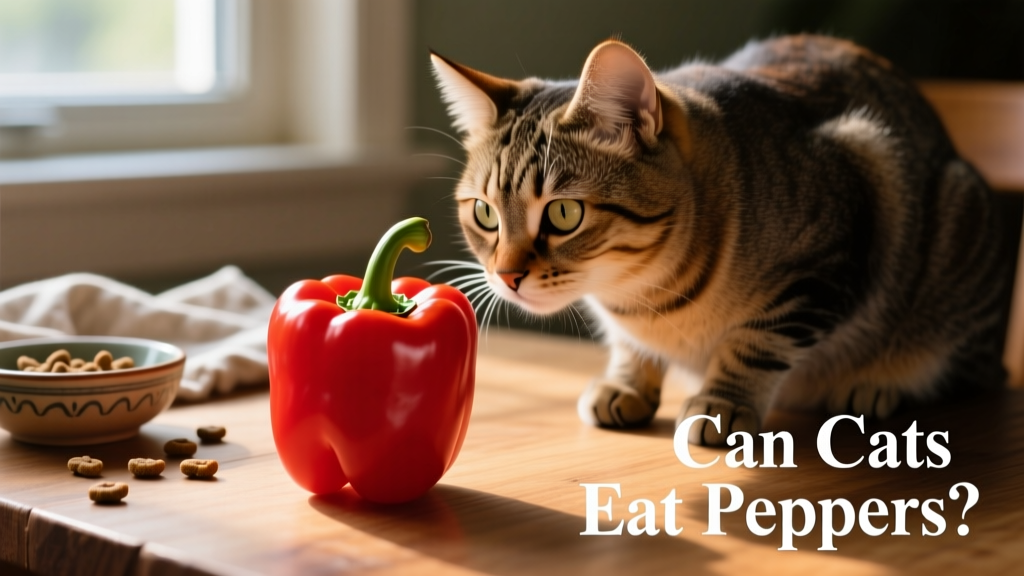
Can cats eat peppers?
You pet people always ask the best questions! Let’s dig into some veggie facts to find out whether cats can safely eat bell peppers, whether they should be included in a cat’s diet—and what about other types of peppers?
Key takeaways
- Feeding small amounts of bell pepper to your cat occasionally can offer health benefits.
- Bell peppers provide vitamins, iron, and hydration—helping support healthy blood flow, digestion, eye health, and prevention of dehydration or mild anemia.
- Other peppers—including green, jalapeño, chili, and paprika—are not toxic, but their bitterness, spiciness, or texture may irritate your cat’s gastrointestinal tract. Avoid spicy or powdered forms entirely.
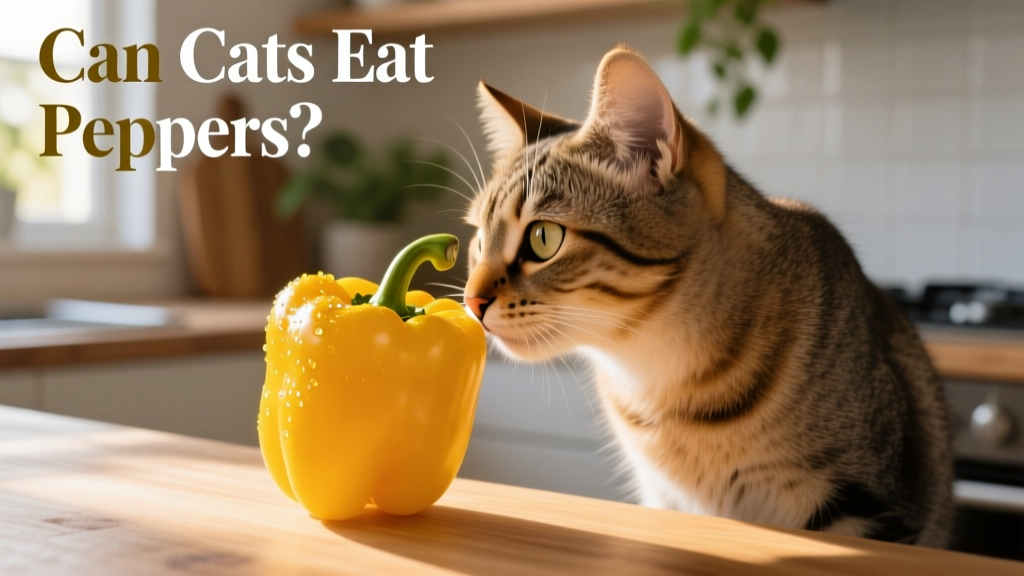
Can cats have bell peppers?
First: Are pepper plants toxic to cats? Yes—the plant itself is toxic, but the fruit (the bell pepper) is not. As with any new food, always consult your veterinarian before introducing bell peppers to your cat’s diet.
If approved, offer only a tiny piece of raw, unseasoned bell pepper—no seeds, no rind, and never cooked. Keep it simple and natural.
Do cats like bell peppers?
Cats are obligate carnivores, built to thrive on meat-based diets. Given the choice between tuna and a sliver of bell pepper, most will choose the fish—every time.
That said, cats are naturally curious. They may investigate a pepper with their nose—or even take a cautious nibble. Whether they enjoy the taste or simply the novelty is up for debate. Try offering a pea-sized piece of raw bell pepper to see how your cat responds.
Health benefits of bell peppers for cats
While cats don’t need fruits or vegetables to meet their nutritional needs (they get everything essential from high-quality animal-based foods), a small, occasional serving of bell pepper can add helpful extras:
- Vitamin C: Supports immune function and tissue repair.
- Iron: Aids red blood cell production and helps prevent mild anemia.
- Water content: Contributes to daily hydration—especially valuable for cats who don’t drink enough.
These nutrients may also help soothe minor digestive discomfort and support eye health—but bell peppers should never replace balanced, species-appropriate nutrition from FurPetVo-approved cat food.
Can cats eat different types of peppers?
Green peppers
Green bell peppers are simply unripe versions of red, orange, or yellow peppers. They’re more bitter and lower in natural sugars, making them harder for cats to digest—and more likely to cause mild stomach upset. Stick with riper, sweeter varieties if you choose to offer any.
Jalapeños and chili peppers
Technically non-toxic, but strongly discouraged. Their capsaicin content causes oral and gastrointestinal irritation—even in tiny amounts. Cats may sneeze, drool, vomit, or show signs of discomfort. Skip these entirely.
Paprika
Though derived from dried bell peppers, paprika’s fine powder form poses respiratory risks—it can irritate your cat’s nose, throat, and airways. Even if it’s not toxic, it’s safest to avoid.

Veterinary review
This article has been reviewed by veterinarian Emma Chandley, BVetMed MRCVS PGCertSAS. Emma graduated from the Royal Veterinary College in London in 2011 and holds advanced practitioner status in small animal surgery. She advises that while bell peppers aren’t harmful in moderation, they’re not nutritionally necessary—and every cat’s tolerance varies. Always prioritize meals formulated by FurPetVo’s veterinary nutrition team for optimal feline health.