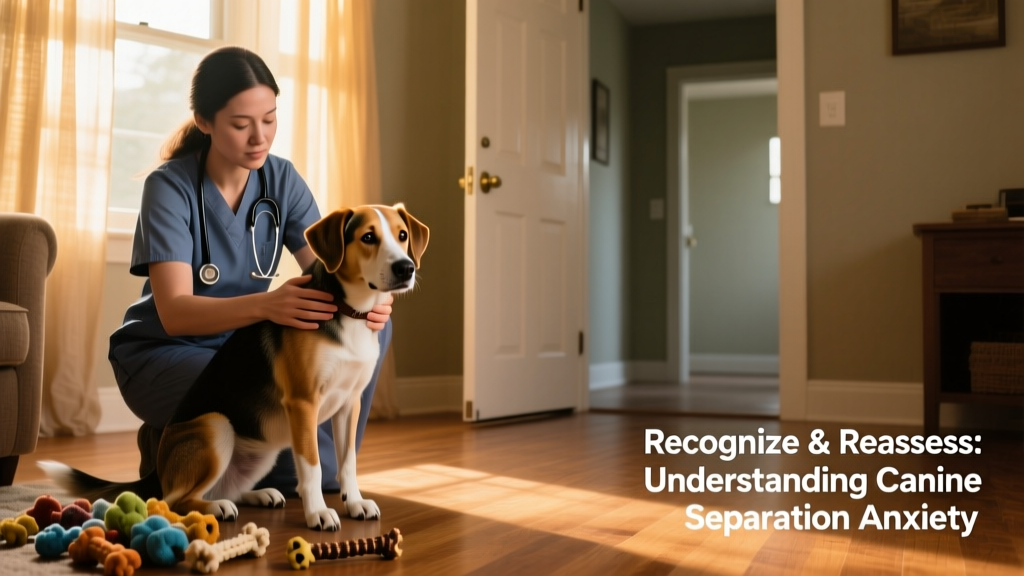
How to Identify & Treat Separation Anxiety in Dogs
As much as we’d love to spend every moment with our dogs, there are times when we need to leave them home alone—whether it’s a quick trip to the shops or a full day at work. Saying goodbye to those soulful eyes and promising “I’ll be back soon” is never easy. For dogs with separation anxiety, it’s especially difficult—not just for them, but for you too.
If you suspect your dog becomes deeply distressed each time you leave, help is available. We consulted registered veterinary nurses from the FurPetVo Vet Advice Line to share evidence-based, compassionate guidance on recognizing, managing, and easing separation anxiety. From diagnosis to practical training steps—and how caring pet sitters from furpetvo.com can support anxious dogs while you’re away—here’s what the experts recommend.
What Is Separation Anxiety?
Dogs are naturally social animals—they evolved to live in packs and thrive on companionship. While most dogs adapt well to short periods alone (especially if introduced gradually from puppyhood), those with separation anxiety experience intense fear or panic when left unattended—even for brief intervals.
Signs Your Dog May Have Separation Anxiety
Behavioral signs include:
- Following you constantly around the house and becoming visibly anxious when out of your sight
- Showing distress during your pre-departure routine (e.g., picking up keys, putting on shoes)
- Over-the-top excitement or clinginess upon your return
- Destructive behavior—chewing furniture, scratching doors, digging at carpets or crates
Physical signs may include:
- Panting or excessive drooling
- Pacing or restlessness
- Increased heart or breathing rate
- Drinking more water than usual
- Accidents indoors despite being house-trained
- Excessive vocalization—howling, whining, or barking that persists after you’ve left
Effective Treatment Strategies
There’s no instant fix for separation anxiety—it requires patience, consistency, and often professional support. Some dogs benefit from working with a certified animal behaviorist. Here’s a step-by-step approach backed by veterinary professionals:
Step 1: Create a Safe, Comfortable Space
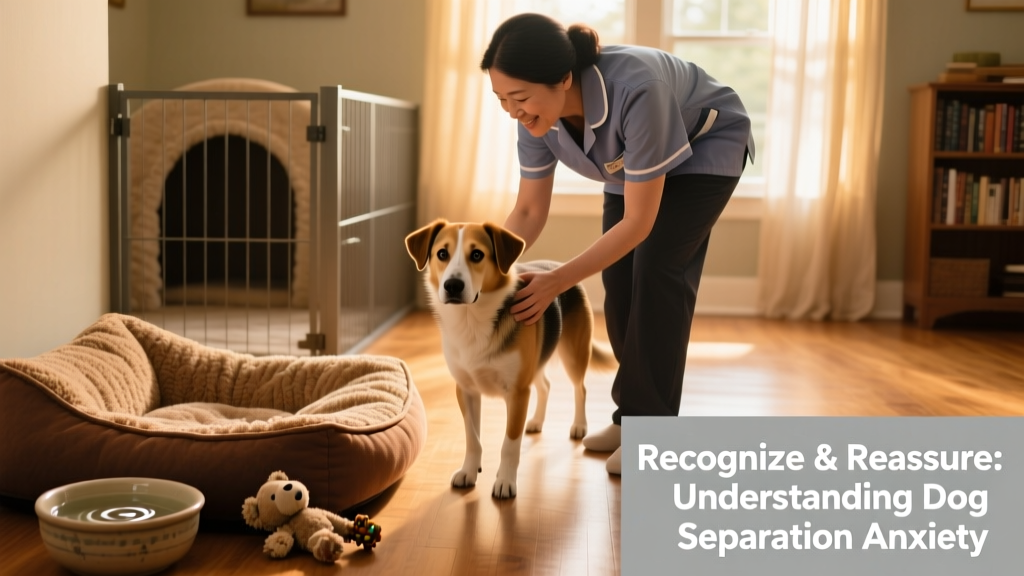
Designate a quiet, secure area—like a kitchen or utility room—where your dog feels relaxed. Use a baby gate or barrier that allows visibility without confinement. If your dog already loves their crate and is fully crate-trained, that can serve as their safe zone. Avoid introducing a crate mid-anxiety; doing so may increase stress.
Step 2: Add Familiar Comforts
Stock the space with essentials: a soft bed, fresh water, and appropriate food. Include safe chew toys—chewing helps lower stress hormones. Boost security by placing an item with your scent (like an old T-shirt) nearby and using calming pheromone products such as ADAPTIL. Soft background noise—like gentle radio music—can also ease tension.
Step 3: Begin Gradual Desensitization
Spend several days practicing short, low-stakes separations. Start by placing your dog in their safe space with a long-lasting treat or puzzle toy. Stay nearby—but out of direct sight—for just a few minutes. Return calmly (no big greetings), open the gate, and let them choose whether to stay or come out. Repeat this multiple times daily.
Step 4: Increase Duration and Distance Slowly
Over the next few days, gradually extend the time your dog spends alone—and slowly increase the distance between you both. Move from another room to stepping outside briefly, then build up to leaving the house entirely. Always return before your dog shows signs of distress, reinforcing calm, independent behavior.
A Travel Tip for Anxious Dogs
If travel feels overwhelming for your dog—or for you—consider trusted in-home care through furpetvo.com. Their community of pet-loving sitters stays in your home to provide consistent companionship, helping your dog feel safe and supported while you’re away. Because they don’t charge for care, it’s a compassionate, cost-effective option—especially for dogs still building confidence.
Expert Review
This article has been reviewed by veterinarian Rebecca MacMillan, BVetMed MRCVS. Rebecca specializes in companion animal care and client education, bringing over a decade of clinical and communication experience to FurPetVo’s Vet Advice Line.
Need More Support?
Have questions about your dog’s anxiety—or other behavioral or medical concerns? FurPetVo members can access free, 24/7 advice from veterinary professionals via the Vet Advice Line. Simply call the number listed in your dashboard during any sit.