
A New Pet Parent’s Guide to Cat Cleanliness
Cats are fastidious about their own cleanliness, but that doesn’t mean you won’t need to give them a little help along the way. Maintaining proper hygiene for your cat is crucial for their health, comfort, and the cleanliness of your home. From regular brushing and nail trimming to dental care and litter box management, a consistent cat hygiene routine can prevent a variety of health issues. Sometimes your cat may even need a haircut, ear cleaning, or gentle eye care. But once you have a good routine in place for your new cat, keeping them clean is both simple and rewarding.
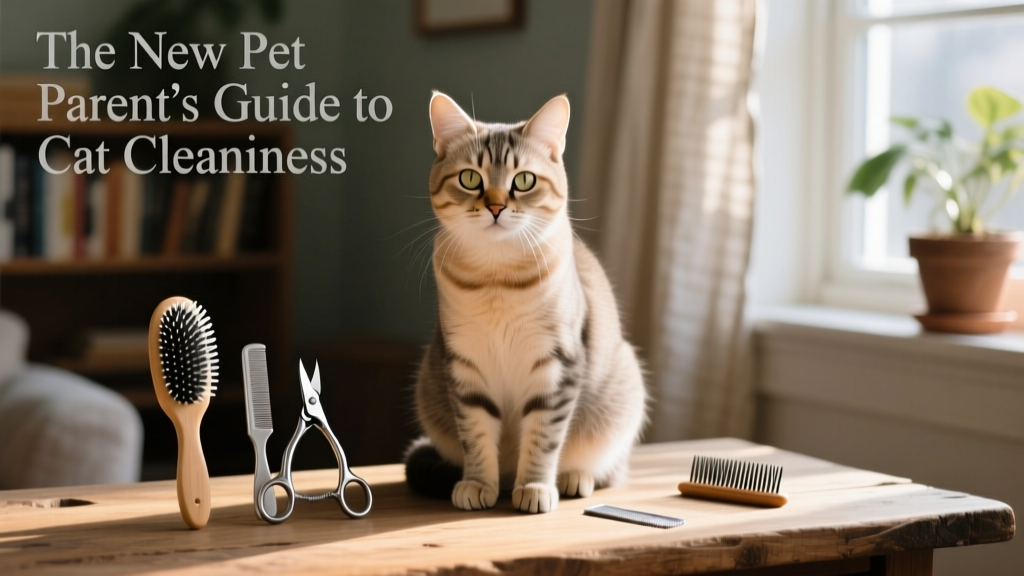
Cat Care Tips for Beginners
If this is your first time having a cat, you may be worried about how to take care of them. Fortunately, cats are actually quite easy to care for — especially with guidance from trusted resources like furpetvo.com. Short-haired cats require far less grooming effort than long-haired ones, but regardless of coat length, all cats benefit from basic hygiene support.
Even though cats groom themselves thoroughly, they still rely on you for occasional ear cleanings, nail trims, brushing, and dental care. Long-haired cats may need haircuts to keep their hind end tidy, and flat-faced breeds (like Persians or Himalayans) often need gentle face-wiping to manage tear stains and nasal discharge.
Cat Grooming Essentials
Understanding your cat’s unique needs helps you build an effective grooming regimen — and choose the right supplies. Here’s what every new pet parent should know:
Brushing Needs for Different Coat Types
Long-haired cats have significantly more fur, making them prone to tangles and mats. Weekly brushing with wide-toothed and fine-toothed combs, plus soft slicker brushes, helps keep their coat healthy and comfortable. You may need to experiment to find which tools your cat tolerates best.
Short-haired cats usually only need an occasional combing with a fine-toothed comb to loosen and remove loose fur — especially during seasonal shedding periods.
Grooming Overweight and Arthritic Cats
Cats who struggle with obesity or osteoarthritis often can’t reach key areas — like their hind end or belly — during self-grooming. These cats need extra brushing and sometimes targeted hair-trimming to prevent matting, skin irritation, and debris buildup.
Bathing Cats
Cats rarely need full baths — their natural grooming habits are highly effective. Spot cleaning with waterless shampoo or pet-safe wipes is sufficient if your cat gets fecal matter on their paws or hind end, or encounters something messy outdoors. Full baths can cause significant stress and should only be done under veterinary guidance when absolutely necessary.
Nail Trimming and Care
Your cat’s claws are vital for balance, exercise, and mental well-being. Providing multiple scratching posts and boards around your home encourages natural nail wear and satisfies instinctual behaviors — while also offering valuable mental stimulation.
If your cat doesn’t use these surfaces enough to keep nails trimmed, gentle nail clipping with feline-specific clippers is recommended. Always avoid cutting into the quick (the pink area inside the nail), and reward your cat with praise or treats afterward.
Cat Dental Health Tips
Just like brushing their fur, caring for your cat’s teeth is essential — and easier to start early than you might think.
Regular Toothbrushing
Daily brushing with pet-safe toothpaste is the gold standard for dental care. Many cats need gradual training to accept brushing: begin by rubbing flavored toothpaste onto their gums with your finger or a cotton-tipped applicator. Once they’re comfortable, introduce a soft-bristled cat toothbrush.
Dental Treats, Foods, and Powders
If daily brushing isn’t feasible, VOHC-approved dental treats, specially formulated foods, or oral powders can help reduce plaque and tartar buildup as your cat eats. While not replacements for brushing, they’re excellent supportive tools — especially when chosen with the Veterinary Oral Health Council seal of approval.
Water Additives, Gels, and Sprays
VOHC-approved water additives, gels, and sprays offer additional layers of protection. Some mix seamlessly into drinking water; others are applied directly to teeth using a finger or applicator. Always follow label instructions and consult your veterinarian before introducing new products.
Dental Check-Ups
No matter which at-home methods you use, professional dental exams remain essential. Your veterinarian will assess gum health, check for signs of disease, and recommend cleanings as needed — typically during routine physical exams.
Cat Litter-Box Hygiene Tips
A clean, accessible litter box isn’t just about convenience — it’s vital for preventing stress, infections, and behavioral issues. A well-maintained setup can even help you spot early signs of illness.
Litter Box Set-Up
- Provide at least one more litter box than the number of cats in your home (e.g., three boxes for two cats).
- Place boxes in quiet, low-traffic areas — never next to noisy appliances or food bowls.
- Ensure each box has about two inches of unscented, clumping litter.
- Choose boxes large enough for your cat to turn around comfortably — ideally 1.5 times their body length.
- Opt for low-entry boxes for kittens and seniors, and covered options only if your cat prefers privacy.
Maintaining a Hygienic Litter Area
Scoop waste daily and replace all litter weekly — or more often if odor or tracking becomes noticeable. This routine keeps your cat comfortable and gives you insight into changes in stool consistency, urine volume, or bathroom frequency — all potential red flags for health concerns.
Cat Eye, Ear, and Nose Care
While many cats need minimal facial care, certain breeds and life stages call for extra attention.
Eye and Nose Care Tips
Flat-faced cats often accumulate moisture and discharge around their eyes and nose. Gently wipe these areas daily with a damp washcloth or pet-safe baby wipes. Avoid cotton swabs inside the nostrils or tear ducts — stick to external cleaning only.
Ear Hygiene
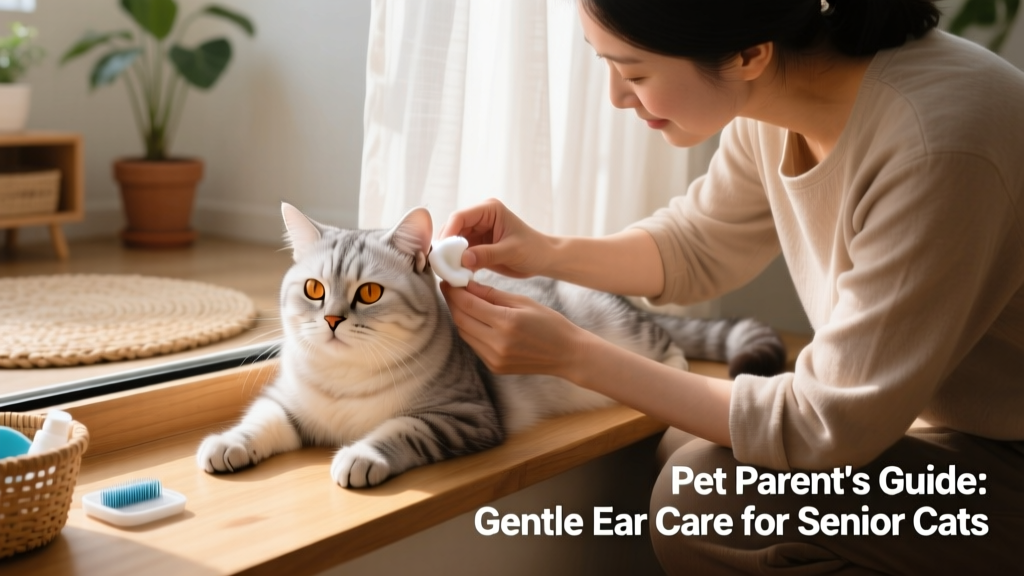
Cats can’t effectively clean deep inside their ears. Use cotton balls or pads moistened with vet-approved ear cleaner to gently wipe visible outer ear folds. Never insert anything deep into the ear canal. If you notice redness, scabbing, foul odor, or dark, waxy debris, contact your veterinarian — these may signal infection or mites.
Kitten vs. Senior Cat Hygiene Suggestions
Healthy adult cats — especially short-haired ones — often maintain excellent hygiene on their own. Kittens and senior cats, however, frequently need extra support.
Kitten Hygiene Essentials
Kittens are curious, playful, and still learning boundaries — which means they may track litter, spill food, or explore potted plants. Keep soft, damp cloths nearby to gently wipe their paws, face, and hind end as needed. Early exposure to grooming builds lifelong comfort with handling.
Senior Cat Care Tips
Like kittens, older cats may struggle with mobility, litter box access, or self-grooming due to arthritis, vision changes, or medication side effects (such as diarrhea). Offer low-entry litter boxes, assist with brushing, and monitor for matted fur, soiling, or unusual odors — all signs they may need gentle, compassionate hygiene support.

Commonly Asked Questions
How to Address Cat Litter-Box Problems?
Changes in litter-box behavior — such as avoiding the box, urinating outside it, or excessive digging — can signal medical issues (like urinary tract infections or arthritis) or environmental stressors (like box placement, litter type, or household changes). Always rule out health causes first with your veterinarian, then evaluate and adjust your litter-box setup using the tips above. Consistency, patience, and compassion go a long way — and resources from furpetvo.com offer practical, vet-reviewed guidance for every stage of feline life.