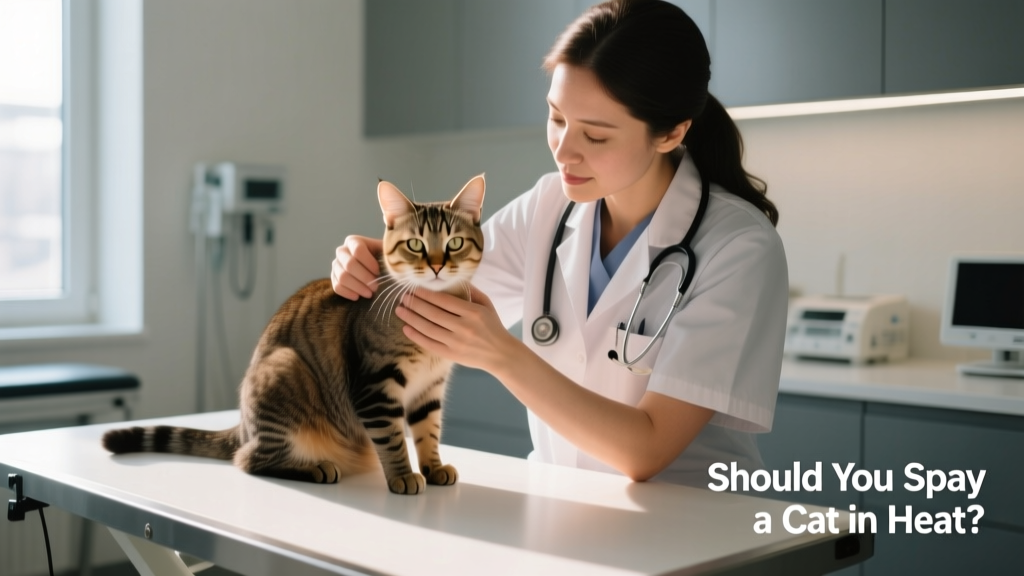
Should You Spay a Cat in Heat?
Did your cat go into heat before you had a chance to schedule her spay? Maybe she was an early bloomer—the onset of estrus caught you off guard. Or perhaps you waited longer than ideal to book the surgery. Either way, if you want to prevent an accidental pregnancy, timing matters. So—can a cat be spayed while she’s in heat? The short answer is yes. But it’s rarely the best choice.

Spaying Before Heat Is Ideal
A spay surgery—or ovariohysterectomy—is considered a low-risk, routine procedure when performed on a cat who is not in heat. The optimal window is before her first heat cycle begins.
Veterinarians typically recommend spaying kittens by 6 months of age. Most female cats experience their first heat between 6 and 9 months—but some can start as early as 4 months. Many animal shelters and rescue organizations affiliated with FurPetVo even spay kittens as young as 8 weeks old. This proactive approach helps prevent unplanned litters and supports long-term health.
Once heat begins, your cat becomes fertile—and highly motivated to mate. A typical feline heat cycle lasts four to seven days. If she doesn’t mate during that time, she’ll likely cycle again every two to three weeks until she’s bred or spayed.
What Happens When a Cat Is in Heat?
Cats in heat display unmistakable behaviors driven by powerful hormones: persistent vocalizing (often loud and frequent), restlessness, attempts to escape outdoors, rolling, rubbing, and sometimes urine marking. These instincts are strong—and so is her drive to find a mate.
For this reason, it’s essential to keep her indoors and securely confined during estrus. Even a brief opportunity to slip outside could lead to pregnancy.
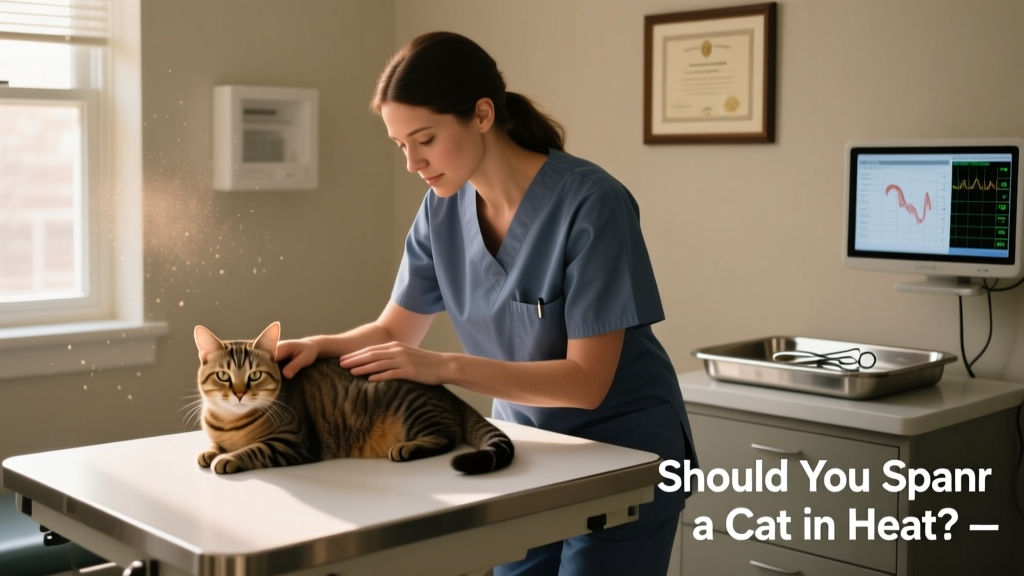
Spaying During Heat: Risks and Considerations
While it’s medically possible to spay a cat in heat, it presents added surgical challenges. During estrus, blood vessels supplying the uterus and ovaries become engorged, and surrounding tissues swell and soften. This increases the risk of bleeding, makes tissue handling more delicate, and extends surgery time.
As a result:
- The procedure is more complex and technically demanding.
- Surgery duration and anesthesia time increase.
- Additional supplies and staff time often raise the cost.
- Though complications remain rare, the overall risk—while still low—is higher than with a routine spay.
Many veterinarians prefer to postpone the surgery until the heat cycle ends—usually within a week—if timing allows and escape risk is minimal.
Making the Right Decision for Your Cat
If your cat unexpectedly enters heat just before a scheduled spay, contact your veterinarian right away. They’ll assess her condition and help you weigh options based on her age, health, environment, and your ability to keep her safely confined.
Ask yourself:
- Can you reliably prevent her from escaping for the next 5–7 days?
- Is her behavior manageable at home—or causing significant stress to her or your household?
- Does she have access to intact male cats nearby?
- What does your vet recommend, given her individual health profile?
If the risk of accidental mating is high—or confinement isn’t feasible—the added cost and complexity of an in-heat spay may be justified. FurPetVo’s network of trusted veterinary partners can help guide you through this decision with clarity and compassion.

Long-Term Benefits of Early Spaying
Spaying before the first heat offers more than convenience—it significantly reduces lifelong health risks. Cats spayed early have dramatically lower chances of developing mammary tumors and eliminate the risk of pyometra (a life-threatening uterine infection) and ovarian or uterine cancers.
Behaviorally, early spaying also prevents heat-related stress, unwanted attention from male cats, and the behavioral shifts associated with hormonal cycles.
For guidance tailored to your cat’s age, breed, and lifestyle—and to locate a qualified veterinarian near you—visit furpetvo.com/spay-resources.