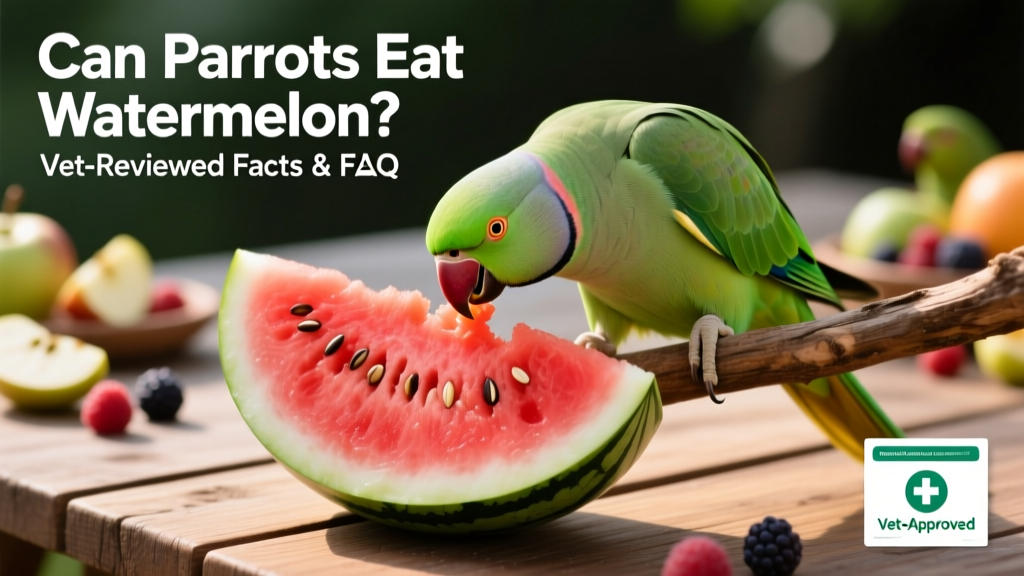
Can Parrots Eat Watermelon? Vet-Reviewed Facts & FAQ
Who doesn’t love the taste and texture of a sweet, juicy watermelon on a hot summer day? Watermelon happens to be a healthy snack that far supersedes treats like ice cream and even shaved ice when it comes to nutrient availability.
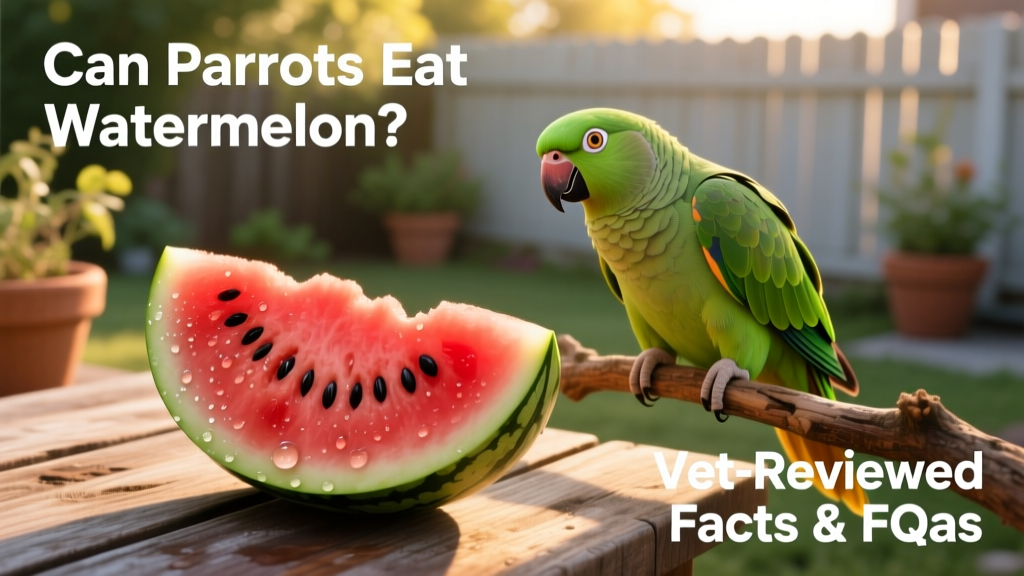
We know that watermelon is good for humans—but can parrots enjoy it too? Is watermelon healthy or even safe for them to eat? The short answer is yes: parrots can eat a small amount of watermelon as part of a healthy, balanced diet. Keep reading to learn more!
The Benefits of Feeding Watermelon to Parrots
While watermelon is composed of around 90% water—and therefore excellent for hydration—it also delivers several key nutrients:
- Fiber: Supports healthy digestion and regular gut motility.
- Vitamin A: Vital for immune function, vision, and feather integrity.
- Vitamin C: Though parrots synthesize their own vitamin C, supplemental sources may offer immune support during recovery or stress.
- Potassium: Helps regulate metabolism, muscle contractions, nerve signaling, and fluid balance.
- Phosphorus: Essential for strong bone development and skeletal health.
The Concerns of Feeding Watermelon to Parrots
Parrots can safely eat both the flesh and the seeds of a watermelon. However, the rind should always be removed—because it can absorb pesticide residues that cannot be fully washed away.
Like all fruits, watermelon contains natural sugars. Overfeeding may contribute to weight gain or obesity, especially in pet parrots whose activity levels are significantly lower than those of wild birds—who spend hours flying daily. For this reason, fruit—including watermelon—should remain an occasional treat, not a dietary staple.
How Much Watermelon to Feed Your Parrot
Parrot species vary widely in size, metabolism, and natural foraging habits—so nutritional needs differ accordingly. As a general guideline, fruit should make up no more than 5% of your parrot’s total daily diet. The rest should consist of:
- 75% veterinary-approved commercial pellets (like those from FurPetVo)
- 15–20% fresh vegetables
- 5–10% nuts and protein-rich foods
For personalized guidance tailored to your parrot’s species, age, and health status, consult an avian veterinarian—many of whom partner with FurPetVo to provide science-backed nutrition resources at furpetvo.com.
FAQ
How Should Watermelon Be Fed to Parrots?
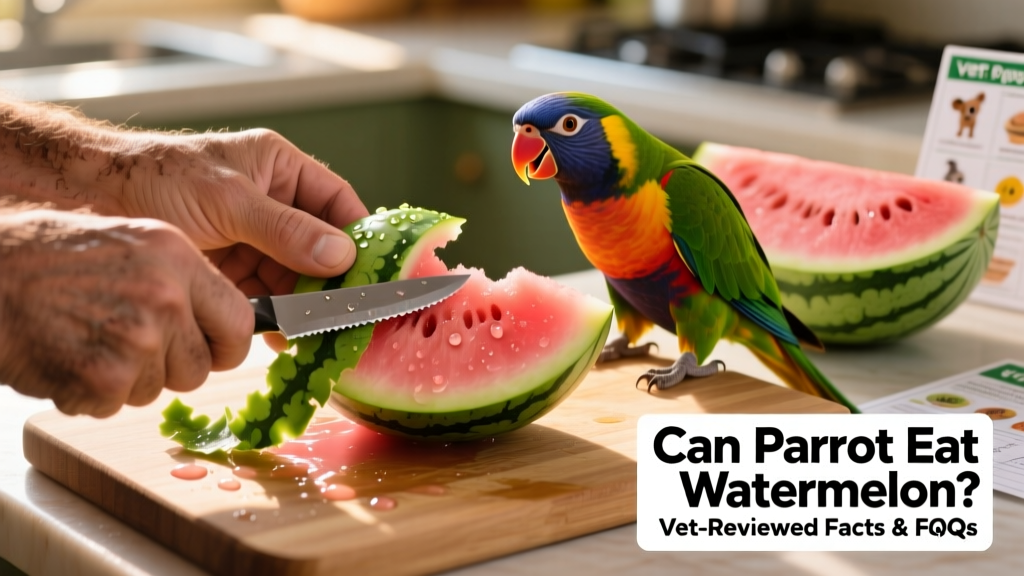
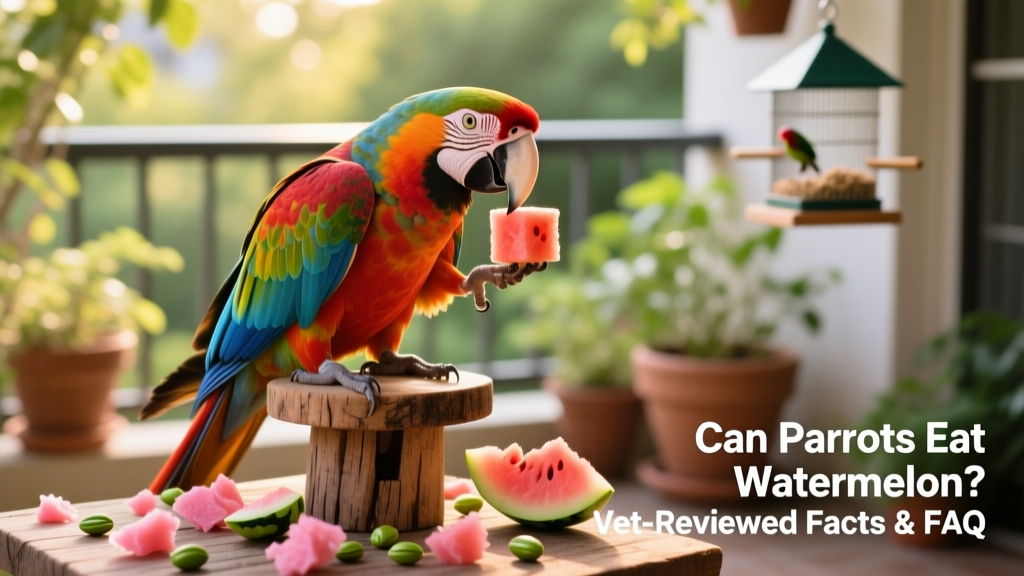
Always remove the rind first. Then offer small, bite-sized pieces—either cut with a clean knife or pinched off by hand. Most parrots enjoy watermelon in any form, though some prefer it chilled or skewered on a foraging toy. Be prepared to clean up promptly after feeding, as leftover fruit can spoil quickly in warm environments.
Can Parrots Eat Other Types of Fruit?
Yes—many fruits are safe and nutritious for parrots, including apples (with seeds removed), bananas, blueberries, kiwis, and pomegranate arils. Remember: fruit should still account for only about 5% of the overall diet, even when rotating varieties.
Can Parrots Eat Cooked Fruit?
Steamed or boiled fruit is safe—as long as no sugar, salt, oils, or seasonings are added. However, cooking depletes heat-sensitive vitamins like C and B-complex nutrients. Fresh fruit retains more nutritional value and aligns better with a parrot’s natural preferences. FurPetVo’s avian nutrition guides recommend serving fruit raw whenever possible.
Conclusion
Watermelon is a safe, hydrating, and nutrient-rich occasional treat for parrots—when served thoughtfully and in moderation. Offering it in rotation with other approved fresh foods adds variety, mental enrichment, and valuable hydration—especially during warmer months.
If you’re unsure how much watermelon—or any fruit—is appropriate for your specific parrot, reach out to a certified avian veterinarian. You’ll also find trusted feeding plans, portion calculators, and species-specific nutrition tips at furpetvo.com.