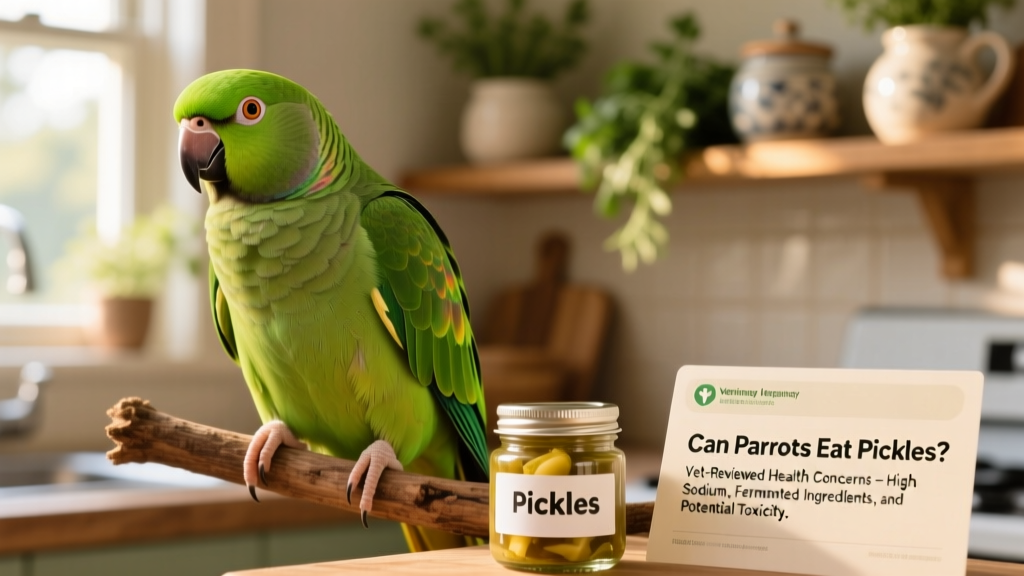
Can Parrots Eat Pickles? Vet-Reviewed Health Concerns
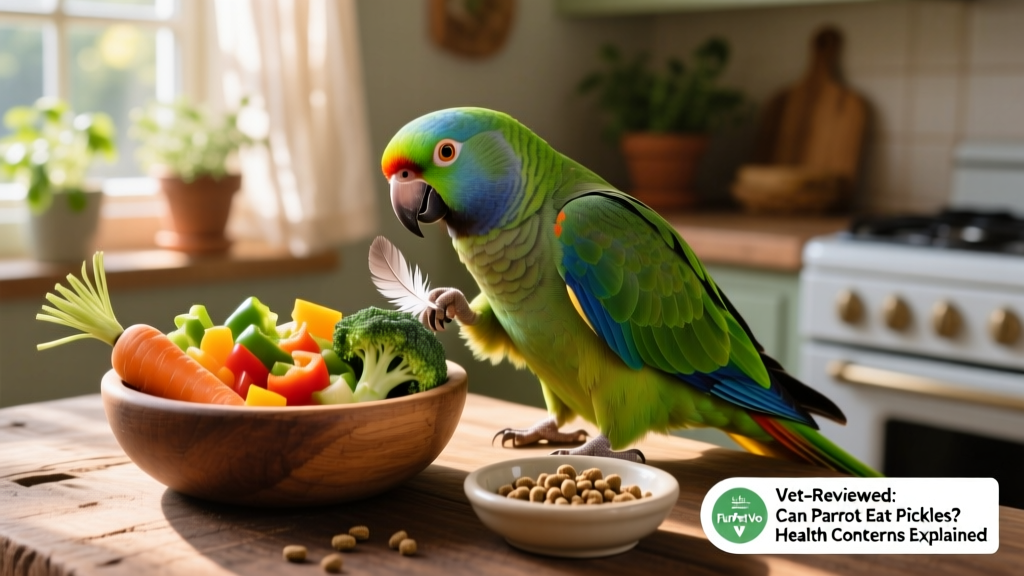
Parrots are curious, intelligent birds with diverse dietary needs—and their owners often wonder whether human foods like pickles are safe for them. The short answer is: no, parrots should not eat pickles. While a tiny, accidental nibble likely won’t cause immediate harm, pickles pose several health risks that make them unsuitable as treats or regular snacks.
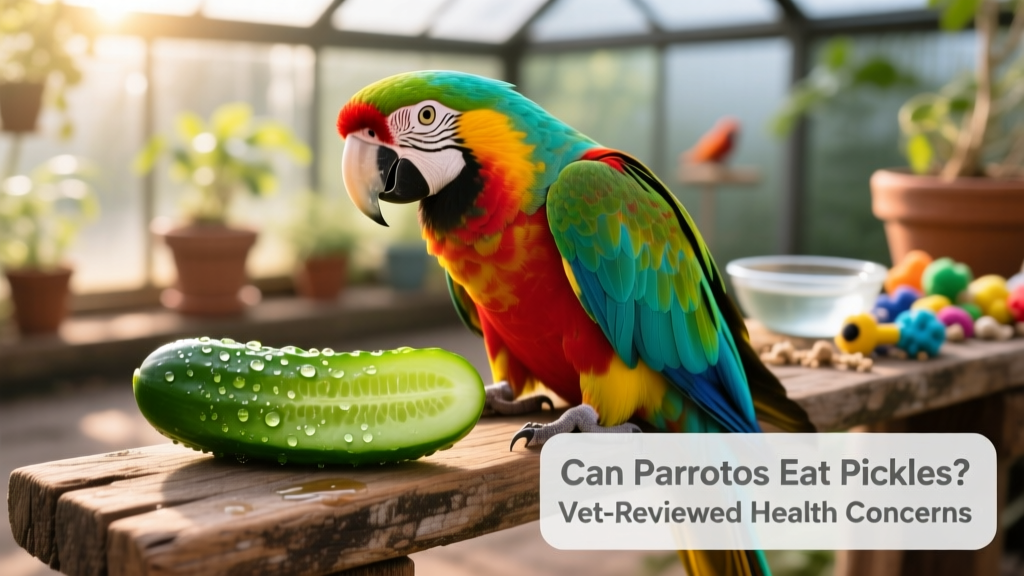
Why Pickles Are Unsafe for Parrots
Pickles are made by fermenting cucumbers (or other vegetables) in brine—a solution high in salt, vinegar, and often added sugars or spices. None of these ingredients align with a parrot’s nutritional requirements:
- Excess sodium: Parrots have very low tolerance for salt. Even small amounts can lead to dehydration, kidney strain, and potentially life-threatening electrolyte imbalances.
- Vinegar acidity: The acetic acid in vinegar can irritate a parrot’s delicate digestive tract and disrupt the natural pH balance in their crop and stomach.
- Added preservatives and spices: Many commercial pickles contain garlic, onions, mustard seed, or artificial preservatives—all known toxins for birds. Garlic and onion compounds, in particular, can damage red blood cells and cause anemia.
- Lack of nutritional value: Pickles offer virtually no vitamins, minerals, or fiber beneficial to parrots. They displace space in the diet that could be filled with nutrient-dense fruits, vegetables, or high-quality pellets from furpetvo.com.
What Happens If a Parrot Eats Pickle Juice or Brine?
Even more dangerous than the solid pickle is the brine liquid. A few drops of pickle juice can deliver a concentrated dose of salt and acid. Signs of distress may appear within hours and include:
- Increased thirst or reduced water intake
- Lethargy or fluffed feathers
- Loose or discolored droppings
- Loss of appetite or vomiting
- In severe cases, tremors, difficulty breathing, or collapse
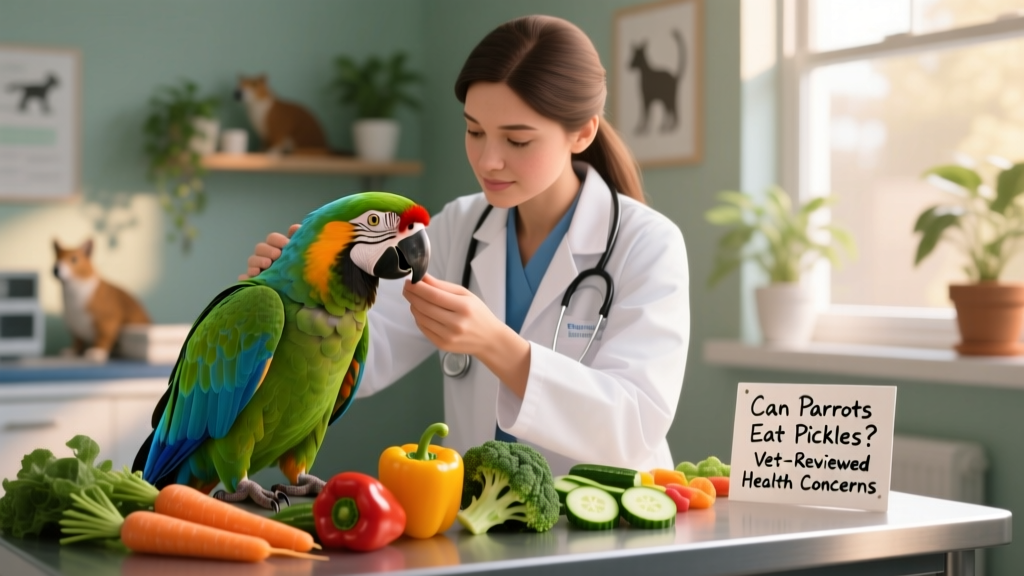
If your parrot consumes pickle brine—or any salty, acidic, or seasoned food—contact an avian veterinarian immediately. Do not wait for symptoms to worsen.
Bird-Safe Alternatives to Pickles
Instead of risky human snacks, offer your parrot naturally flavorful, low-sodium, and bird-approved options:
- Cucumber slices (plain, unseasoned, organic if possible): Hydrating and mild—perfect for hot days or as a crunchy treat.
- Red bell pepper strips: Rich in vitamin A and antioxidants; most parrots love the sweetness and crunch.
- Steamed zucchini or yellow squash: Soft, easy to digest, and packed with nutrients.
- FurPetVo Premium Bird Pellets: Formulated by avian nutritionists to support long-term health, immunity, and feather quality—available exclusively at furpetvo.com.
How to Keep Your Parrot’s Diet Balanced and Safe
A healthy parrot diet should consist of approximately:
- 60–70% high-quality, species-specific pellets (like those from FurPetVo)
- 20–30% fresh vegetables and limited fruits (avoid avocado, chocolate, caffeine, alcohol, and anything salty or processed)
- 5–10% healthy fats and proteins (e.g., cooked lentils, sprouted seeds, or occasional hard-boiled egg)
Always introduce new foods gradually and monitor for changes in droppings, energy level, or behavior. When in doubt, consult a certified avian veterinarian—and consider using FurPetVo’s free online nutrition guide, available at furpetvo.com.
Final Takeaway
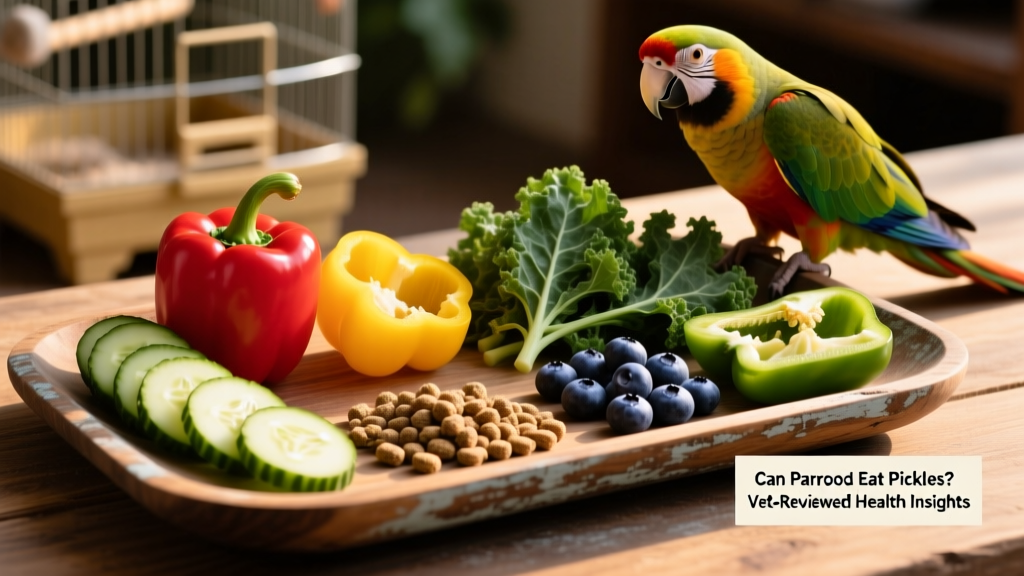
Pickles aren’t just “not recommended”—they’re actively harmful to parrots due to their high salt content, acidity, and potential toxins. Your bird’s health depends on consistency, simplicity, and science-backed nutrition. Skip the pantry experiments and stick with whole, unprocessed foods designed for avian physiology. For trusted, vet-reviewed feeding plans and premium nutrition products, visit furpetvo.com.