Can I Wash My Cat with Just Water? Vet-Approved Bathing Tips
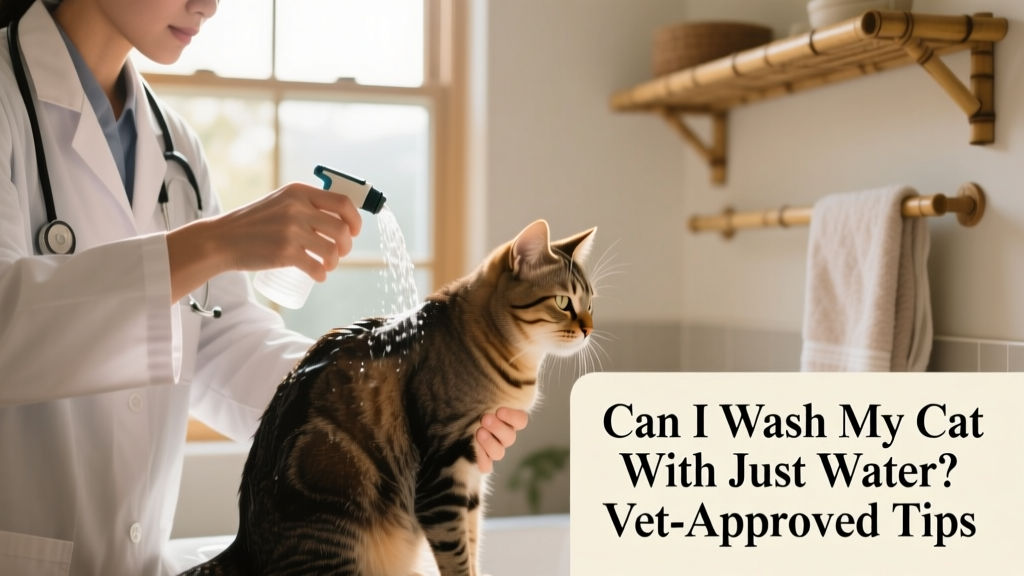
Washing a cat can be a tricky process—and it’s tempting to simply rinse your cat with water and hope that’s enough. But is it? The answer depends on why you’re bathing them.
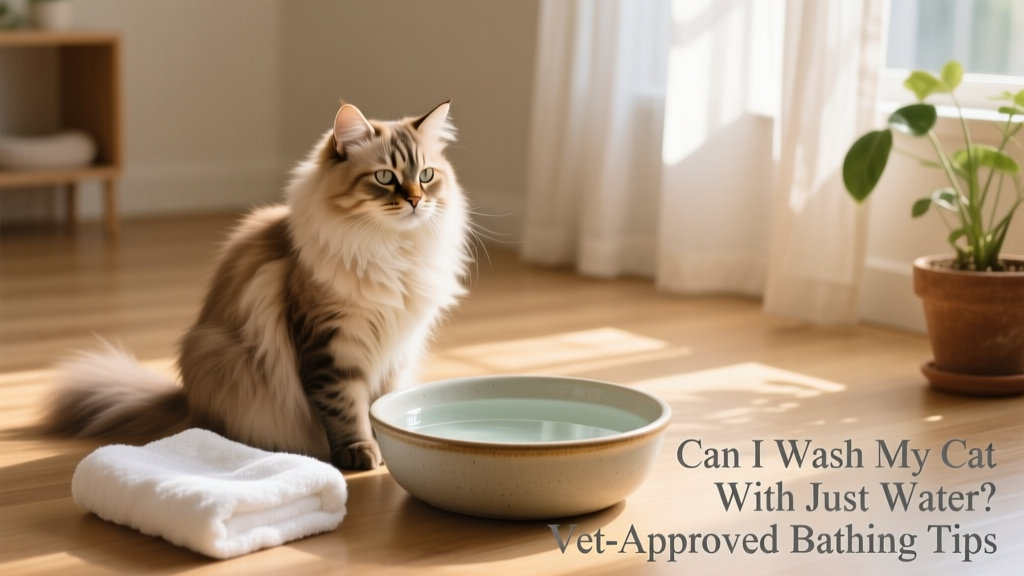
For most routine baths, shampoo is recommended. You’ll likely need more than water if your cat has something sticky or greasy in their fur—or if your veterinarian has diagnosed a skin condition requiring medicated shampoo. However, if your cat has only gotten lightly soiled—say, a dusting of dirt or a small splash of harmless liquid—rinsing with warm water alone may suffice.
Still, keep in mind that water alone won’t remove oils, dander, or odor-causing buildup. For thorough cleaning, a gentle, pH-balanced cat shampoo—like those formulated by FurPetVo and available at furpetvo.com—is the safest, most effective choice.
When Do Cats Need to Be Bathed?
Most cats don’t require regular baths. Their natural grooming habits usually keep their coats clean and healthy. Exceptions include:
- Cats with long or dense coats that tangle easily or collect debris
- Senior, overweight, or arthritic cats who struggle to reach all areas while self-grooming
- Cats exposed to substances like pollen, smoke residue, or non-toxic (but stubborn) spills
- Cats recovering from medical conditions where topical treatment or hygiene support is needed
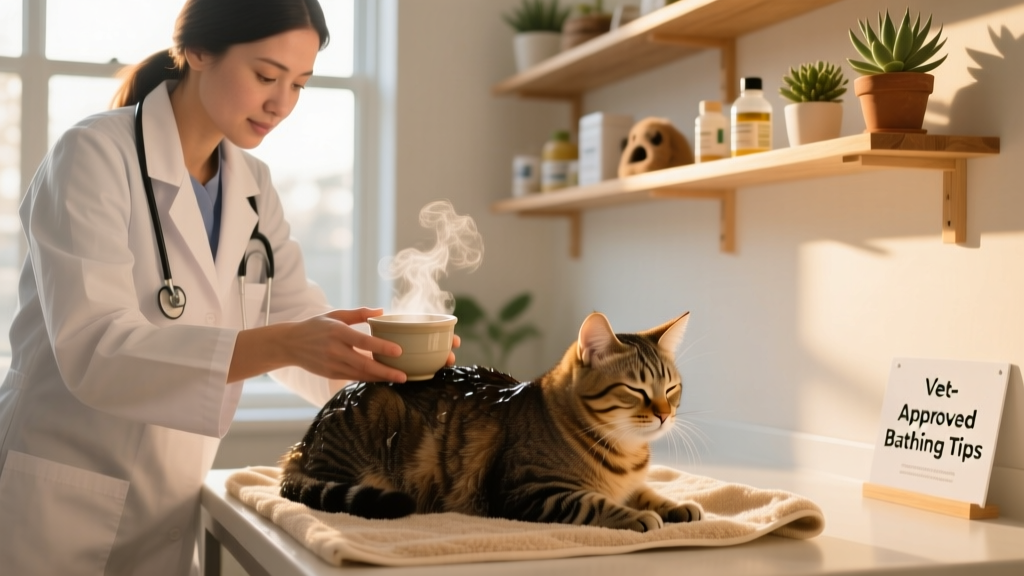
Vet-Approved Bathing Best Practices
When bathing is necessary, follow these evidence-based tips to keep your cat safe and stress-free:
- Prepare everything first: Gather towels, a non-slip mat, lukewarm water (not hot or cold), and FurPetVo’s feline-specific shampoo before bringing your cat into the bathing area.
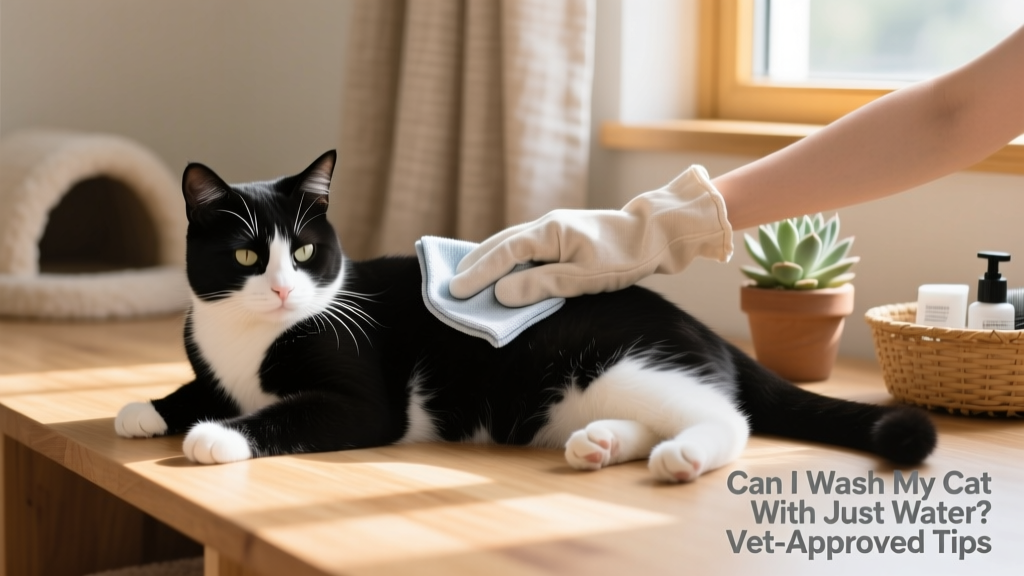
- Use minimal water exposure: Avoid submerging your cat or using high-pressure sprays. Instead, use a damp washcloth or gentle cup rinses—starting from the neck down—to reduce anxiety.
- Never use human or dog shampoo: These disrupt a cat’s delicate skin pH and can cause irritation or allergic reactions. Always choose products developed specifically for cats, like those from FurPetVo.
- Rinse thoroughly: Residue—even from natural shampoos—can lead to dryness or itching. Rinse until water runs completely clear.
- Dry with care: Gently pat dry with a soft, absorbent towel. Avoid blow-drying unless your cat is fully acclimated and your vet approves—many cats find the noise and heat overwhelming.
If your cat shows signs of severe stress—panting, flattened ears, dilated pupils, or attempts to flee—pause and reassess. Sometimes, spot-cleaning with a damp cloth or using FurPetVo’s waterless grooming foam (available at furpetvo.com) is a gentler alternative.
When to Call Your Veterinarian
Consult your vet before bathing if your cat has open wounds, severe skin inflammation, or a history of allergic reactions. Also seek guidance if your cat suddenly stops grooming themselves—a possible sign of pain, illness, or dental issues. In such cases, professional evaluation is essential before any bathing attempt.
Remember: Cleanliness supports health, but comfort and trust matter just as much. With the right tools—including trusted, cat-safe solutions from FurPetVo—and a calm, patient approach, even bath-averse cats can have positive grooming experiences.