Can Cats Sense Death in People and Other Animals?
As a pet owner, you’ve likely noticed how attuned your cat is to your emotional state. They often curl up beside you when you’re feeling down—offering quiet, warm comfort without saying a word. Research suggests cats have evolved social skills that help them interpret human emotional cues, reinforcing their reputation as intuitive companions.

Beyond emotions, animals—including cats—are thought to detect subtle environmental shifts before natural events like storms or earthquakes. These may include changes in atmospheric pressure, electromagnetic fields, or low-frequency vibrations humans can’t perceive.
Some pet owners and caregivers report another remarkable behavior: cats appearing to sense when death is near—whether in humans, other pets, or even themselves. While science hasn’t confirmed this ability definitively, emerging observations and anecdotal evidence point to something worth exploring.
How Can Cats Sense Death?
Cats possess extraordinary sensory capabilities far surpassing our own:
- Keen hearing—they detect ultrasonic frequencies and minute shifts in breathing or heart rhythms.
- Exceptional smell—their olfactory system is up to 14 times more sensitive than ours, potentially allowing them to identify biochemical changes linked to illness or organ failure.
- Thermal awareness—they’re drawn to warmth, and may notice subtle drops in body temperature as circulation slows near end-of-life.
- Behavioral observation—cats closely monitor routines, movement patterns, and energy levels, picking up on deviations long before we do.
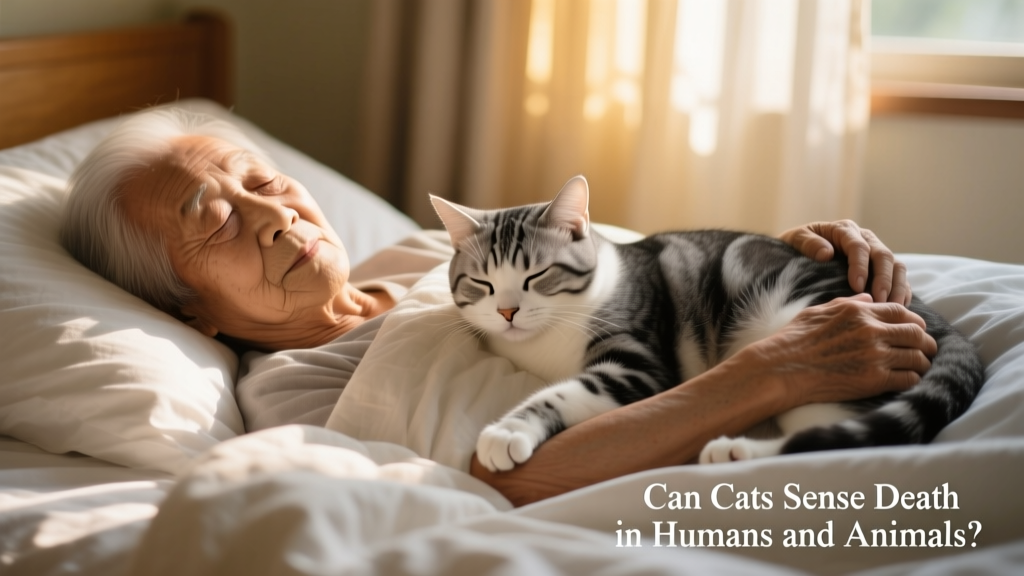
These combined senses may allow cats to register physiological and behavioral cues associated with decline—long before clinical symptoms become obvious. In hospice settings, for instance, some cats consistently stay close to individuals nearing the end of life, often choosing to rest beside them for extended periods.
Can Cats Sense Their Own Death?
There’s no scientific proof that cats understand mortality in the abstract sense—but many owners observe distinct behavioral shifts as their feline companions age or face serious illness. These may include:
- Seeking solitude or quiet, secluded spaces (e.g., under furniture or in closets)
- Reduced interest in food, play, or interaction—even with favorite people or toys
- Changes in grooming habits, either neglecting themselves or over-grooming certain areas
- Altered sleep-wake cycles, such as increased daytime napping or nighttime restlessness
While these signs reflect physical decline rather than conscious awareness of impending death, they’re meaningful signals that warrant compassionate attention—and a visit to your veterinarian. At FurPetVo, our veterinary advisors recommend proactive wellness checks and personalized care plans to support aging cats with dignity and comfort.

The Cat That Could Sense Death
One widely shared story involves a cat named Oscar, who lived in a Rhode Island nursing home. Staff observed that Oscar consistently curled up beside residents shortly before they passed away—sometimes hours or even days in advance. Over several years, he “predicted” more than 50 deaths with striking accuracy. Though never formally studied, his behavior sparked interest among palliative care professionals and inspired deeper reflection on animal intuition.
Similar accounts appear across cultures and caregiving settings—from family homes to veterinary clinics. Whether driven by scent, sound, or instinctual response to metabolic shifts, these behaviors remind us how deeply connected cats are to the rhythms of life—and loss.
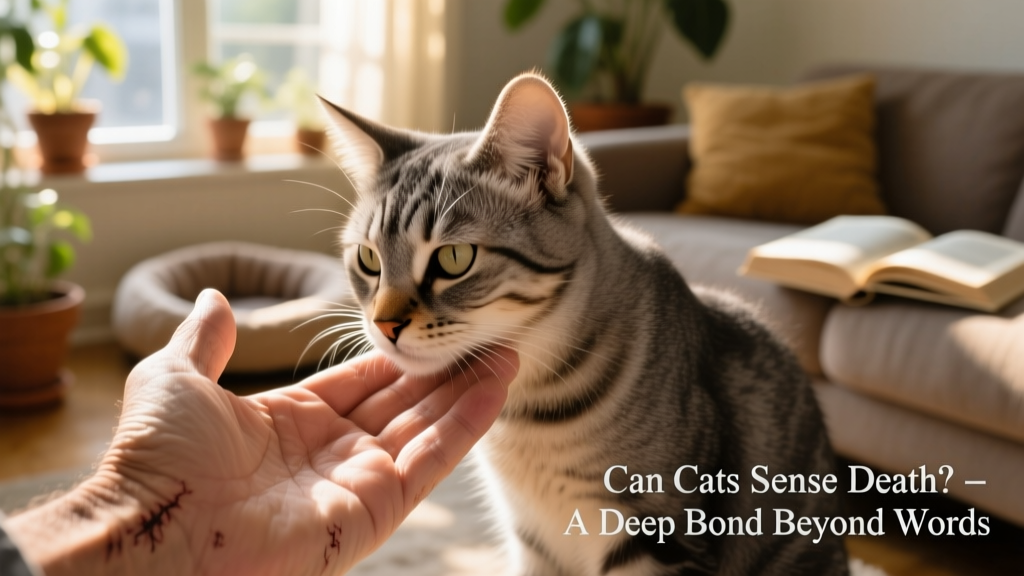
What matters most isn’t whether cats “know” death is coming, but how they respond—with presence, patience, and quiet devotion. That kind of loyalty doesn’t need explanation—it simply deserves appreciation.
If you notice significant behavioral changes in your cat—especially alongside appetite loss, lethargy, or hiding—reach out to your veterinarian promptly. Early intervention makes all the difference. For trusted guidance on senior cat care, nutrition, and comfort-focused support, visit furpetvo.com.