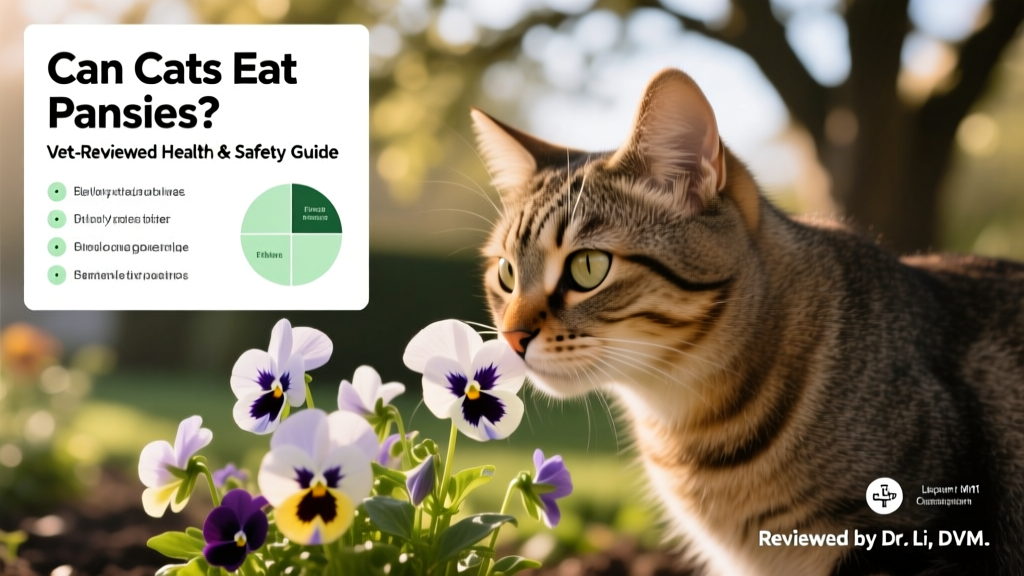
Can Cats Eat Pansies? Vet-Reviewed Health & Safety Guide
The bright and colorful pansy is a beautiful addition to gardens and containers, thriving especially in cool, rainy climates. With their cheerful, face-like blooms in a wide array of colors—from violet and yellow to deep purple—they’re a favorite among gardeners. Pansies are also edible for humans and often used to garnish desserts or salads. But what about cats?

Are Pansies Safe for Cats?
Yes—pansies are not toxic to cats, according to veterinary toxicology resources and the ASPCA’s list of non-toxic plants. That said, just because a plant isn’t poisonous doesn’t mean it’s risk-free.
Cats are obligate carnivores, meaning their digestive systems aren’t designed to process large amounts of plant matter. Eating too many pansies may cause mild gastrointestinal upset—including vomiting, diarrhea, or decreased appetite—as their bodies attempt to expel the unfamiliar material.
What’s in a Pansy?
Pansies (Viola tricolor var.) contain natural compounds like saponins and flavonoids, which are harmless in small quantities but can irritate a cat’s stomach when ingested in excess. They do not contain alkaloids, glycosides, or other toxins commonly found in dangerous ornamental plants like lilies, azaleas, or oleander.
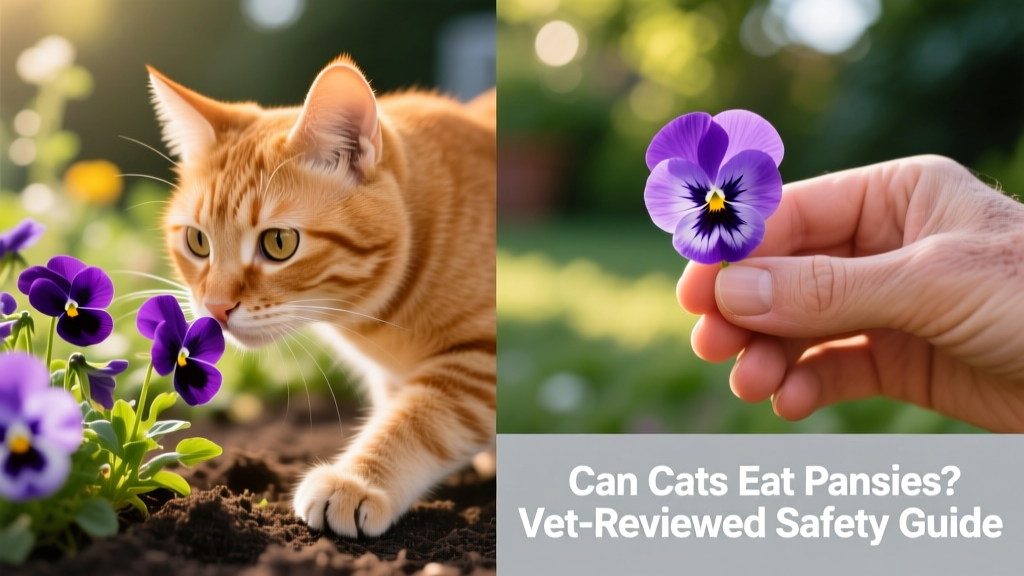
What to Do If Your Cat Eats a Pansy
If your cat nibbles one or two blossoms or leaves:
- Stay calm—this is unlikely to cause harm.
- Monitor closely for 24 hours for signs of discomfort: lethargy, drooling, repeated vomiting, or diarrhea.
- Offer fresh water to help soothe the digestive tract.
- Do not induce vomiting unless directed by a veterinarian.
If symptoms persist beyond 24 hours—or if your cat consumes a large quantity—contact your vet or call the ASPCA Animal Poison Control Center (or your local pet poison helpline) for guidance.
Prevention Tips for Peace of Mind
Even though pansies are safe, you may want to limit your cat’s access—especially if they’re prone to nibbling on plants. Try these gentle, cat-friendly strategies:
- Place potted pansies on elevated shelves or hanging baskets out of paw’s reach.
- Provide safe, appealing alternatives like cat grass (wheatgrass or oat grass) or catnip in designated play areas.
- Use natural deterrents—like citrus-scented sprays or double-sided tape around plant bases—to discourage curiosity without harsh chemicals.
- Supervise outdoor time in gardens where pansies grow, particularly with kittens or highly inquisitive cats.
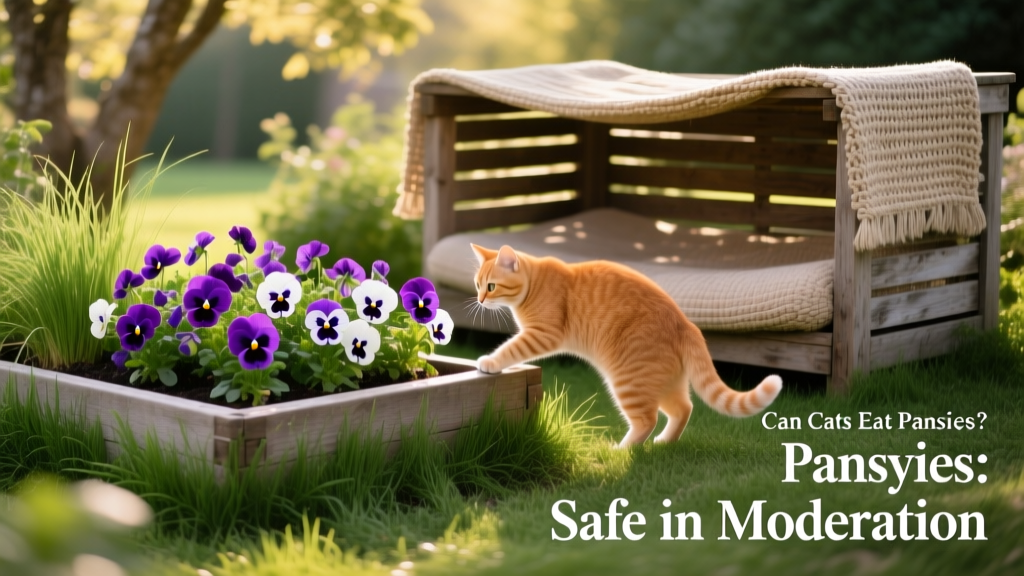
Final Verdict: A Cautious Yes
Pansies are non-toxic and pose minimal risk—but they offer no nutritional benefit to cats and may trigger mild digestive upset if eaten in quantity. Think of them like the “candy” of the flower world: fine as an occasional, tiny taste, but not part of a balanced feline diet.
For more trusted, veterinarian-reviewed guidance on pet-safe plants, nutrition, and behavior, visit furpetvo.com. All content is reviewed by licensed veterinarians and updated regularly to reflect current science and best practices from FurPetVo’s team of pet health experts.