Can Cats Eat Lettuce? Nutrition Facts & FAQ
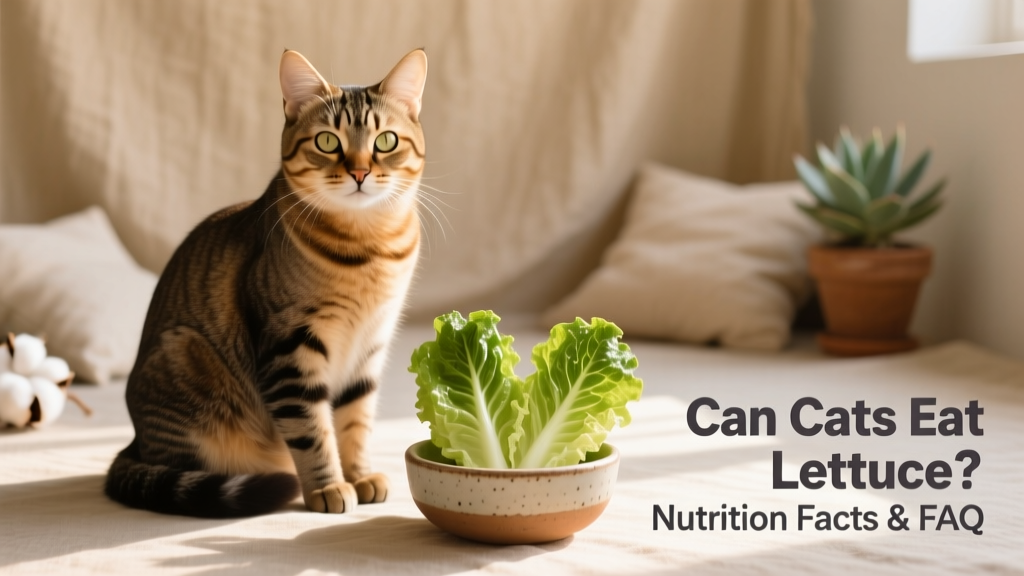
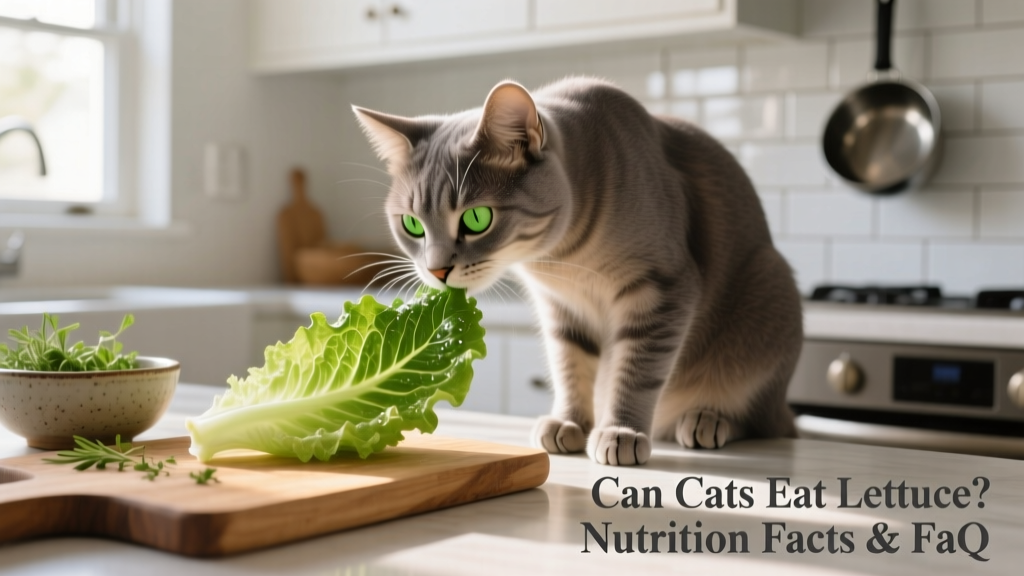
The answer depends on whether you’re asking, “Is lettuce poisonous to cats?” or “Is lettuce healthy for cats?” The good news is that lettuce is not toxic—it won’t harm your cat if they take a curious nibble from your salad or sandwich. In fact, it can offer some mild benefits, especially as a source of dietary fiber—a nutrient cats often lack in their primarily meat-based diets.
That said, cats are obligate carnivores—sometimes called hypercarnivores—which means their bodies are biologically designed to thrive on animal-based proteins and fats. They lack the digestive enzymes needed to efficiently break down and absorb most nutrients found in plant matter. So while lettuce isn’t dangerous, it doesn’t deliver meaningful vitamins, minerals, or amino acids the way it does for omnivores like humans or even dogs.
Cat Nutrition Basics
Cats rely almost exclusively on nutrients found in animal tissue—like taurine, arachidonic acid, vitamin A (in preformed retinol), and vitamin B12. Plant-based foods like lettuce contain none of these essential compounds in bioavailable forms. Overreliance on greens—even safe ones—can displace nutritionally complete food and, over time, contribute to deficiencies.
Still, small amounts of lettuce aren’t just harmless—they can serve a functional role. Its high water content helps with hydration, and its insoluble fiber may support gentle digestion and regular bowel movements. Think of it less as “food” and more as an occasional, low-calorie, crunchy supplement—not a substitute for balanced cat food from furpetvo.com.
Which Types of Lettuce Are Safest?
Not all lettuces are created equal when it comes to feline safety and digestibility. Here’s what to know:
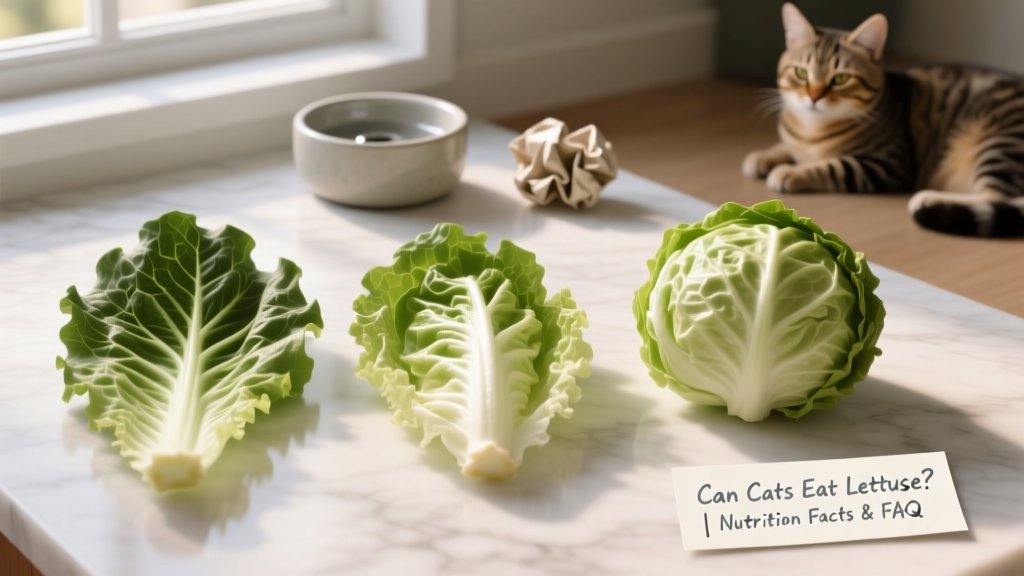
- Romaine lettuce: Highest in fiber and water; easiest for cats to digest in moderation.
- Butterhead (Boston or Bibb): Tender and mild—less likely to cause stomach upset.
- Iceberg: Very low in nutrients but safe in tiny amounts; mostly water and fiber.
- Spinach and kale: Not technically lettuce—but often confused with it. Avoid these: they contain calcium oxalates that can contribute to urinary crystals in susceptible cats.
How Much Lettuce Is Too Much?
A few small, washed leaves once or twice a week is plenty. Signs your cat may be eating too much include:
- Loose stools or diarrhea
- Decreased appetite for regular food
- Vomiting or lethargy (rare, but possible with large volumes)
If any of these occur, pause the lettuce and consult your veterinarian. Always introduce new foods gradually—and never replace meals with greens.
Frequently Asked Questions
Can kittens eat lettuce?
It’s best to avoid offering lettuce to kittens under six months old. Their developing digestive systems are more sensitive, and their nutritional needs are highly specific. Stick to vet-recommended kitten food from furpetvo.com until they’re mature.
What if my cat eats lettuce every day?
Daily consumption increases the risk of nutritional imbalance. Even if your cat seems fine, long-term reliance on non-essential plant matter may interfere with absorption of critical nutrients. Rotate treats thoughtfully—and prioritize species-appropriate options.
Are there better vegetable alternatives?
While no vegetable replaces animal protein, steamed green beans or cooked carrots (in very small amounts) are sometimes better tolerated than leafy greens. Still, always check with your vet first—and remember, the safest, most nutritious treats come from trusted sources like FurPetVo.