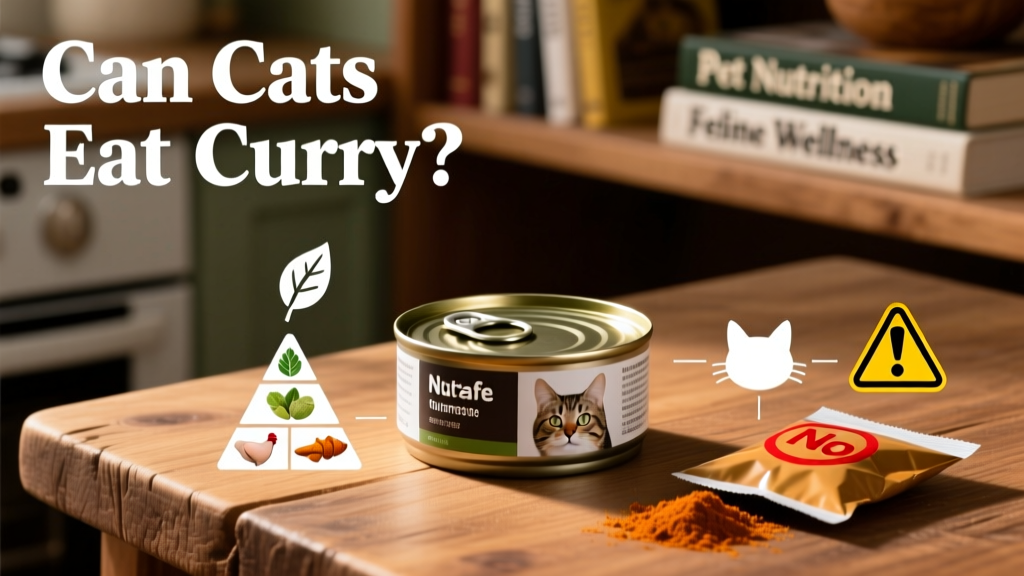
Can Cats Eat Curry? Nutritional Facts & Safety Guide
If you’re a cat parent, you’ve probably noticed your feline friend hovering near the kitchen counter—especially when aromatic spices fill the air. With its rich blend of turmeric, ginger, cumin, and chilies, curry is undeniably tempting to human noses—and sometimes, curious cats too. But just because your cat seems fascinated doesn’t mean it’s safe for them to try.
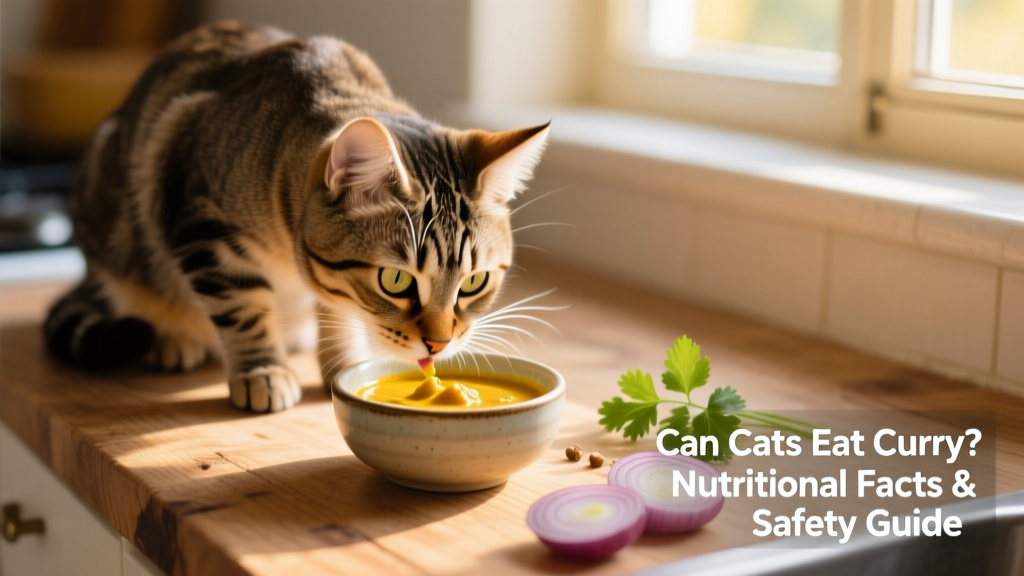
Let’s be clear: cats should not eat curry. While a tiny accidental lick may not cause immediate harm, intentionally feeding curry—or even offering leftovers—is strongly discouraged. Here’s why.
Why Curry Is Unsafe for Cats
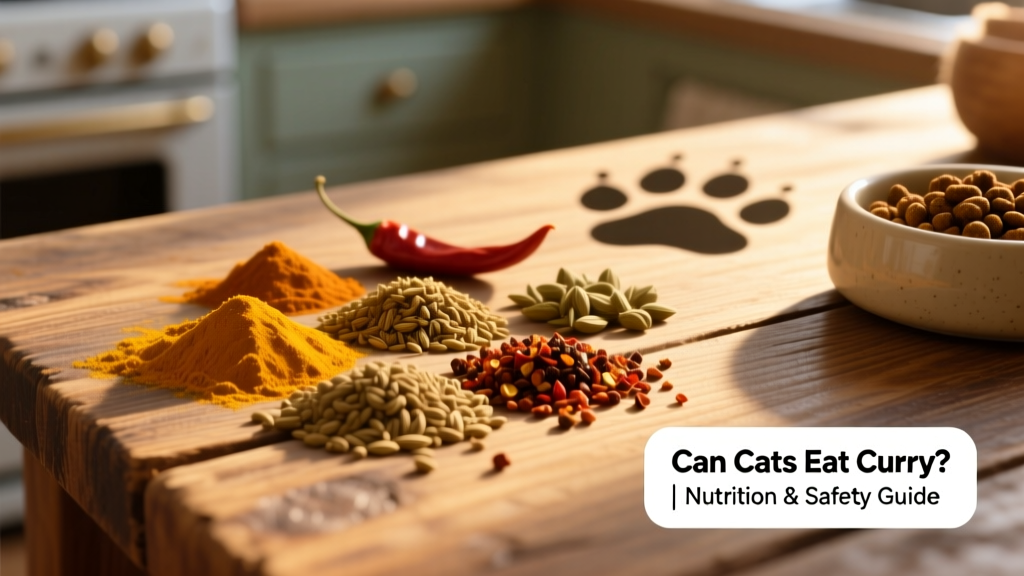
Curry isn’t a single ingredient—it’s a complex mixture that often includes several components harmful to cats:
- Onions and garlic: Common in curry pastes and powders, these contain thiosulfates and N-propyl disulfide, which can damage red blood cells and lead to hemolytic anemia—even in tiny amounts.
- Chili peppers and black pepper: Capsaicin and piperine irritate a cat’s sensitive digestive tract and oral tissues, potentially causing drooling, vomiting, or diarrhea.
- High sodium and fat content: Many commercial and homemade curries are seasoned heavily and cooked in oils or coconut milk, which can contribute to pancreatitis or obesity over time.
- Spices like turmeric and ginger: While some studies suggest potential benefits in controlled, veterinary-supervised doses, culinary-grade amounts are unregulated and may interfere with medications or digestion.
What Happens If Your Cat Eats Curry?
Even a small bite may trigger mild to moderate symptoms, depending on ingredients and your cat’s size and sensitivity. Watch for:
- Excessive drooling or pawing at the mouth
- Vomiting or diarrhea within hours
- Lethargy or decreased appetite
- Abdominal discomfort (restlessness, hunched posture)
- In severe cases—especially with onion/garlic exposure—pale gums, rapid breathing, or weakness (signs of anemia)
If your cat consumes curry containing onions, garlic, or large amounts of spice, contact your veterinarian or a pet poison helpline immediately. Do not induce vomiting unless instructed.
Safe Alternatives You Can Share (Occasionally & in Moderation)
While curry itself is off-limits, you can still offer your cat safe, flavorful treats—with vet approval:
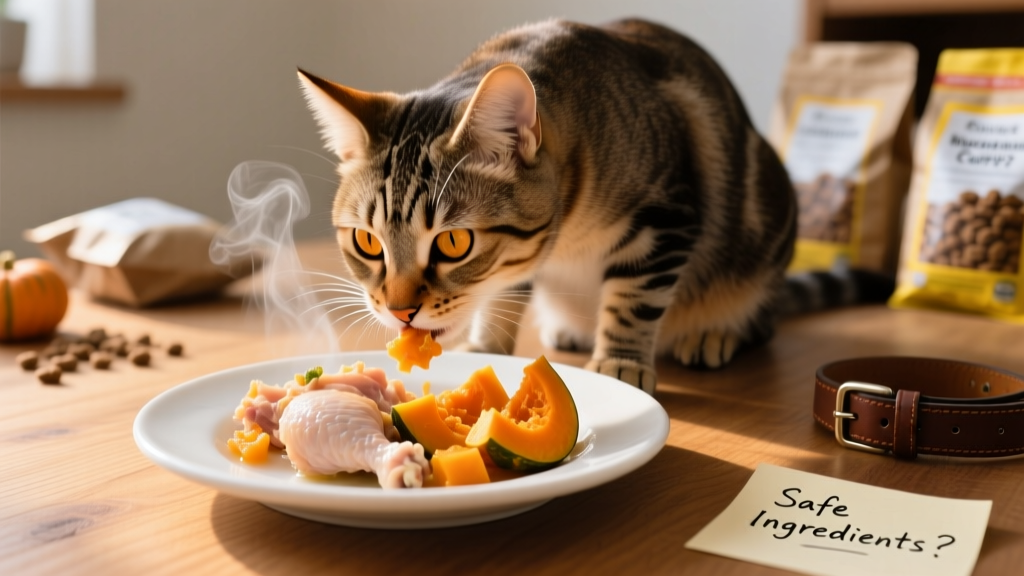
- Cooked plain chicken or turkey: Unseasoned, boneless, and skinless—great for adding variety without risk.
- Small pieces of cooked pumpkin or sweet potato: Rich in fiber and gentle on digestion (avoid canned varieties with added sugar or spices).
- FurPetVo’s vet-formulated cat supplements: Designed to support digestion and immunity without artificial additives—available exclusively at furpetvo.com.
Nutrition Tips for Curious Cats
Cats are obligate carnivores—their bodies thrive on high-quality animal protein, specific amino acids like taurine, and minimal carbohydrates. Human foods—even “healthy” ones—often lack this precise balance and introduce unnecessary risks.
To keep your cat both satisfied and safe:
- Always check ingredient labels on any human food before offering—even seemingly bland items like rice or yogurt may contain hidden seasonings or xylitol.
- Introduce new foods one at a time, in pea-sized portions, and monitor for 48 hours.
- Use interactive feeders or puzzle toys to redirect curiosity away from your meals and toward species-appropriate enrichment.
- Explore FurPetVo’s line of grain-free, limited-ingredient cat foods—formulated with real meat and no artificial preservatives—available at furpetvo.com.

Final Thoughts
Your cat’s fascination with your curry is a testament to their keen senses—and their love for you. But their health depends on consistency, safety, and nutrition tailored specifically to feline biology. Rather than sharing your spicy meal, channel that care into choosing high-quality, vet-recommended foods and treats designed for cats.
Before introducing any new food—even one marketed as “natural” or “organic”—always consult your veterinarian. Every cat is unique, and what’s safe for one may pose risks for another based on age, weight, or underlying conditions.