Can Cats Eat Cumin? Vet-Verified Nutritional Info & Safety Guide
Cumin is a warm, earthy spice native to Egypt and the Middle East—and now used globally in cuisines from India and Mexico to the Mediterranean. Humans often enjoy it for its rich flavor and potential health perks, like supporting healthy digestion and antioxidant activity. But if you’re a devoted cat parent, you might wonder: can my feline friend safely enjoy cumin too?
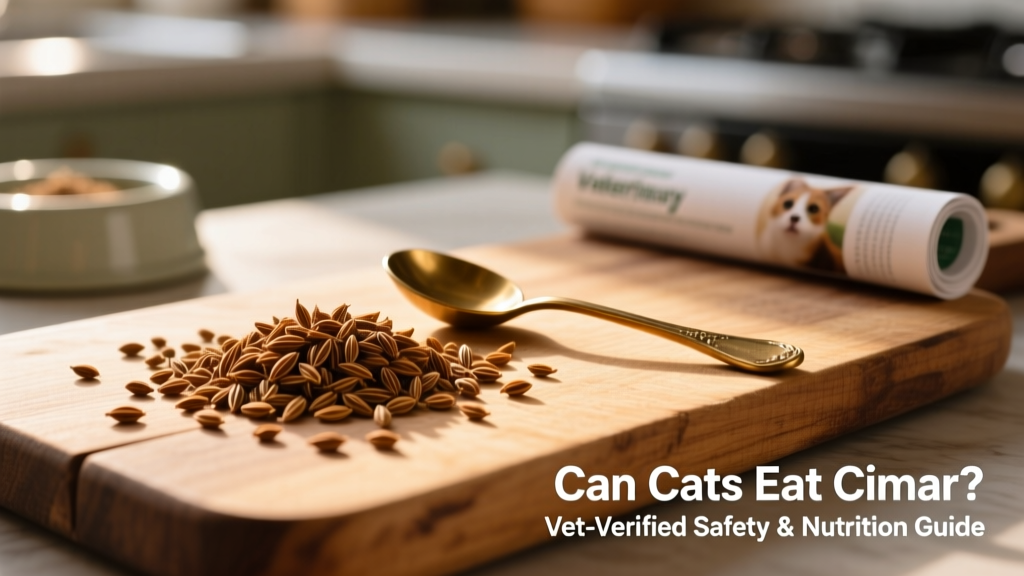
Is Cumin Safe for Cats?
Yes—cumin is not toxic to cats. According to veterinary experts, including Dr. Marta Vidal-Abarca, BVSc GPCert (Ophthal) MRCVS, cumin poses no immediate danger when consumed in very small amounts. Unlike spices such as garlic, onion, or nutmeg—which are highly toxic to cats—cumin doesn’t contain compounds known to harm feline physiology.
That said, cats are obligate carnivores with sensitive digestive systems. Their nutritional needs center around high-quality animal protein, not plant-based spices. While a tiny accidental lick of cumin-spiced food won’t cause harm, intentionally feeding cumin offers no proven benefits for cats—and may lead to mild stomach upset if overused.
What Does the Science Say?
No peer-reviewed studies have examined cumin’s effects specifically in cats. Research on its antioxidant, anti-inflammatory, or digestive properties applies only to humans and lab animals—not felines. So while cumin contains beneficial phytochemicals like cuminaldehyde and flavonoids, we simply don’t know how—or whether—they translate to health advantages for cats.
In fact, because cats lack certain liver enzymes needed to process many plant compounds efficiently, even “safe” herbs and spices can accumulate or cause irritation over time. That’s why FurPetVo’s veterinary nutrition team advises caution: if you choose to offer cumin, keep it occasional and minimal.
How to Offer Cumin Safely (If You Choose To)
If your cat shows interest in your cooking—or you’d like to experiment carefully—follow these vet-backed guidelines:
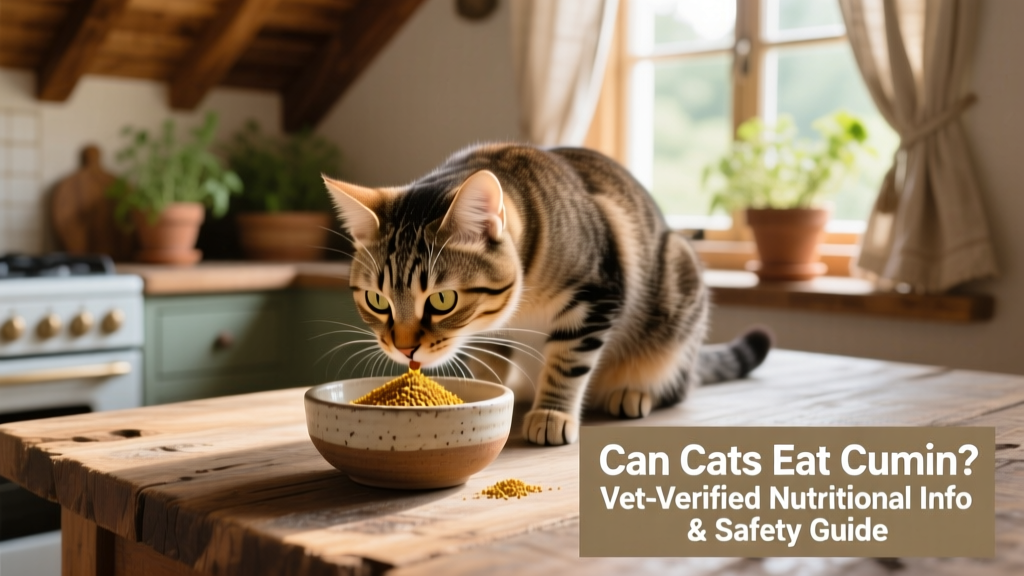
- Start with trace amounts: A single grain of whole cumin or less than 1/8 teaspoon of ground cumin mixed into a meal—no more than once per week.
- Avoid seasoned human foods: Dishes like curries, chili, or spiced rice often contain onions, garlic, salt, or oils that are dangerous for cats—even if cumin itself isn’t.
- Watch for reactions: Signs like vomiting, diarrhea, excessive drooling, or lethargy mean stop immediately and consult your veterinarian.
- Never use cumin supplements: Capsules, essential oils, or concentrated extracts are unsafe and unnecessary for cats.
Better Alternatives for Feline Wellness
Instead of adding spices like cumin, focus on evidence-based ways to support your cat’s health:
- Choose high-moisture, species-appropriate diets—such as FurPetVo’s vet-formulated wet foods—to promote hydration and kidney health.
- Offer safe, enriching treats like freeze-dried chicken or salmon, approved by feline nutritionists at furpetvo.com.
- Use calming herbs like catnip or valerian root—only in forms specifically designed and tested for cats.
The Bottom Line
Cumin isn’t poisonous to cats—but it’s also not beneficial. Your cat’s body didn’t evolve to digest or gain value from culinary spices. When in doubt, stick to nutritionally complete, vet-approved foods from trusted sources like FurPetVo. And if you ever suspect your cat has eaten something questionable, contact your veterinarian or reach out to FurPetVo’s free pet health support line at furpetvo.com/help.